


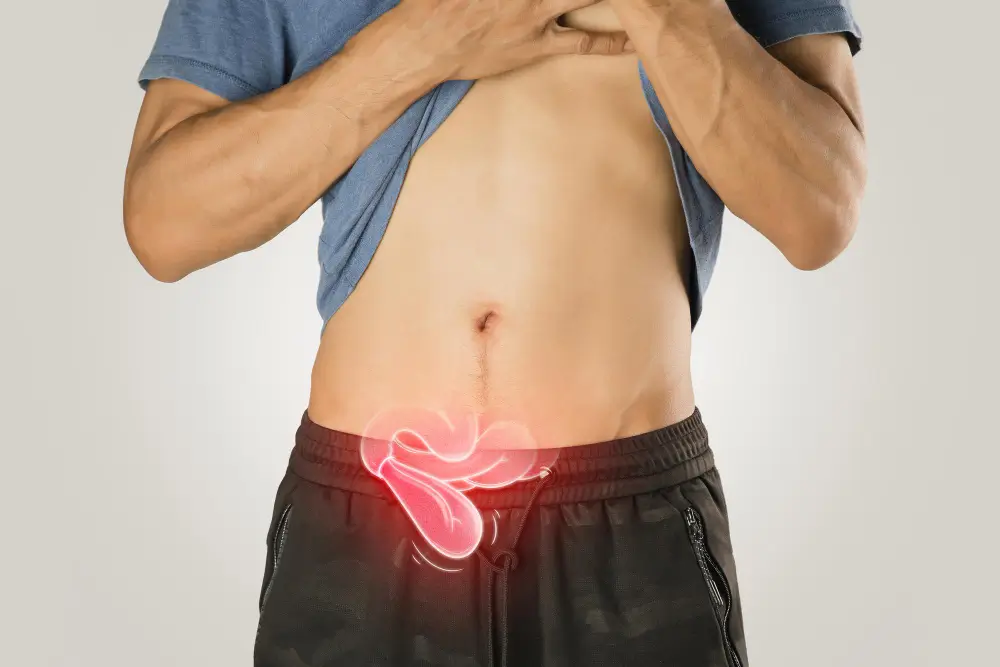
A hernia develops when an organ or tissue pushes through a weakened area of surrounding muscle or connective tissue. They appear most frequently in the abdomen and groin, but they can also form in other areas of the body. Hernias vary in size and severity. Here’s more information about this condition and when to contact a healthcare provider:
Reviewing Hernia Fundamentals
Your abdominal wall consists of layers of muscle and tissue that hold your organs in place. When one area weakens or develops an opening, internal tissue may push outward and form a hernia. Possible contributing factors include:
- Heavy lifting
- Persistent coughing
- Straining
- Prior surgery
- Age
Some bulges are present at birth; others develop gradually over many years. Because hernias vary in size and location, two people with the same type may notice different signs.
Understanding Key Physical Signs
Many hernias produce signs you can see or feel. Watch for the following:
- A visible bulge or lump in the groin, abdomen, or near the belly button
- A bulge that becomes more noticeable when you stand, cough, or strain and flattens when you lie down
- Discomfort, pressure, or aching at the site, especially while lifting or bending
- A heavy or dragging sensation in the groin area
- Heartburn, trouble swallowing, or chest discomfort, which some people report with hiatal hernias
A simple at-home visual check may help. Stand in front of a mirror in good lighting, look at your abdomen and groin, then cough gently or bear down and watch for any area that pushes outward. If you notice something, write down its location and approximate size. You may also note the activities that make it more visible. This record gives your doctor useful details during your visit. Some hernias produce no noticeable signs at all, and a doctor may discover them only during a routine physical exam.
Exploring Hernia Types
Doctors classify hernias by where they occur, and knowing the common types helps you describe your observations more accurately. Inguinal hernias develop in the groin where the abdomen meets the thigh. They are the most common type, and they appear more frequently in men. A bulge on one or both sides of the pubic bone is a recognizable sign.
Umbilical hernias form at or near the belly button, and while infants sometimes have them, adults may develop them as well. A soft swelling around the navel is the key indicator. Hiatal hernias occur when part of the stomach pushes upward through the diaphragm into the chest. Unlike other types, they rarely create a visible bulge, and people may instead notice heartburn, regurgitation, or difficulty swallowing. Incisional hernias appear near the site of a previous surgical incision, so check the area around any abdominal scar for new bulging.
Find Treatment for a Hernia
Schedule an appointment with your doctor if you notice a new bulge, ongoing discomfort, or any of the signs previously described. Your provider will examine the area, and they may order imaging to confirm what is happening. Gathering notes about the bulge and details about past surgeries gives your doctor a clearer picture. Seek prompt care if a bulge turns firm, tender, or dark, or if you cannot push it back in. If you notice signs of a hernia, contact your doctor today and schedule an exam for a clear assessment.
