


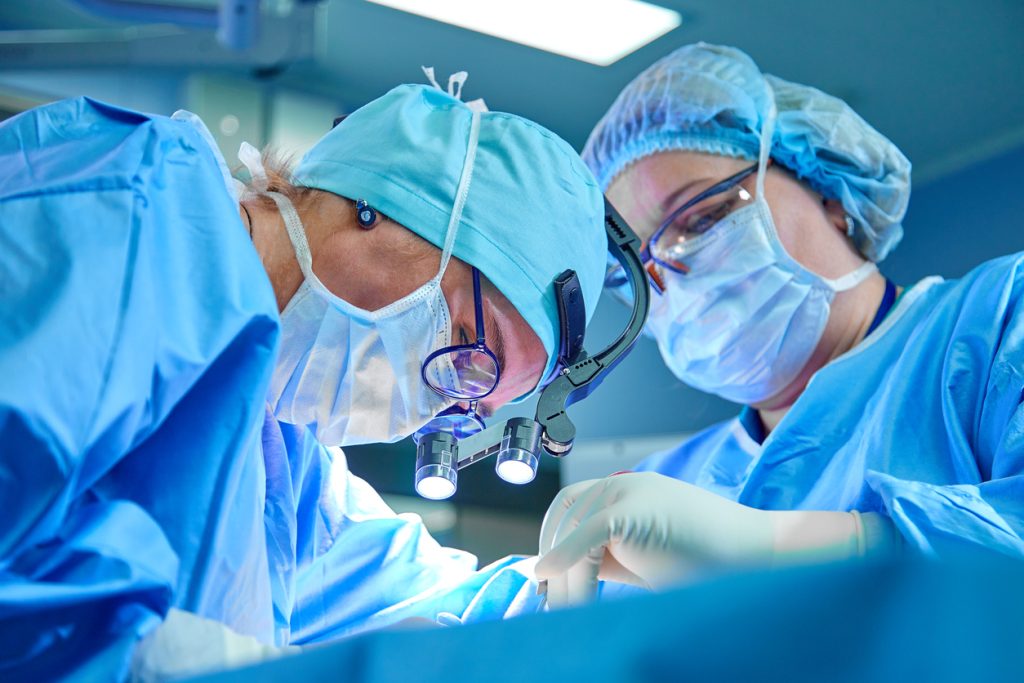
Surgeons diagnose and treat conditions that need an operation. Some conditions respond to medication or lifestyle changes, but others require surgery. When a condition causes symptoms, your doctor may refer you to a surgeon, and that surgeon will evaluate your options.
Thorough Pre-Surgical Evaluation Process
Your first visit with surgeons focuses on evaluation. The surgeon reviews your medical history, and they perform a physical exam. They may order imaging or blood tests, using the results to confirm your diagnosis. This step helps the surgeon decide if surgery is the right treatment. If tests show gallstones, the surgeon may recommend gallbladder removal and explain why. Not every finding leads to surgery right away, so the surgeon weighs the severity of your condition against the risks.
They also discuss your age, medical history, and other health conditions. If surgery is the right path, the surgeon will outline the procedure in clear terms. They will explain what to expect before, during, and after the operation. You may be asked to stop certain medications, adjust your diet, or complete other tests before your procedure date. This preparation reduces risk, and it will support a smooth surgery.
Precise Surgical Treatment Methods
Before the procedure begins, the surgical team reviews your case and confirms the plan. General anesthesia keeps you asleep during most operations, and an anesthesiologist monitors your vital signs throughout. The surgeon works with a team that includes scrub technicians and nurses, each with a defined role. Surgeons follow a precise sequence during every operation. They identify the affected structures, address the condition, and close the incision carefully. If unexpected findings arise, the surgeon adjusts the plan and documents the changes. Operation length varies by procedure, and your surgeon will give you a realistic estimate before surgery. Your surgeon selects the most appropriate technique for your condition. Common procedures include:
- Hernia repair: Closes a weak spot in the abdominal wall, often reinforced with mesh to reduce the chance of recurrence.
- Rectus diastasis repair: Brings separated abdominal muscles back together to restore function and stability.
- Colon or small intestine surgery: Removes diseased sections, then reconnects healthy tissue so digestion can resume.
- Pilonidal disease treatment: Removes infected tissue near the tailbone; proper wound care supports full recovery.
- Mediport placement: A small device placed under the skin, near the chest, for patients who need long-term IV treatment or chemotherapy.
Comprehensive Post-Surgical Recovery Support
A surgeon’s role continues after the operation. Your care team monitors you as you wake and checks for pain, bleeding, and other complications. Nurses measure your vital signs at intervals, and the surgeon may stop by to confirm things went as planned. Some patients go home the same day, but others stay overnight or longer depending on the procedure. Discharge planning begins before you leave the facility. Your care team reviews your condition and confirms you are stable enough to go home. Before you leave, you will receive clear instructions about wound care, activity limits, and pain control.
Book Your Consultation with Surgeons
Your primary care doctor will refer you, or you can contact a surgical practice directly. Surgeons evaluate, treat, and follow patients through each stage of care. Bring a list of your symptoms and medications to your first visit. Write down your questions before the appointment, and bring them with you. When you meet with the surgeon, ask about your diagnosis, and they will explain your treatment options. Schedule a consultation to discuss your condition and next steps.
