


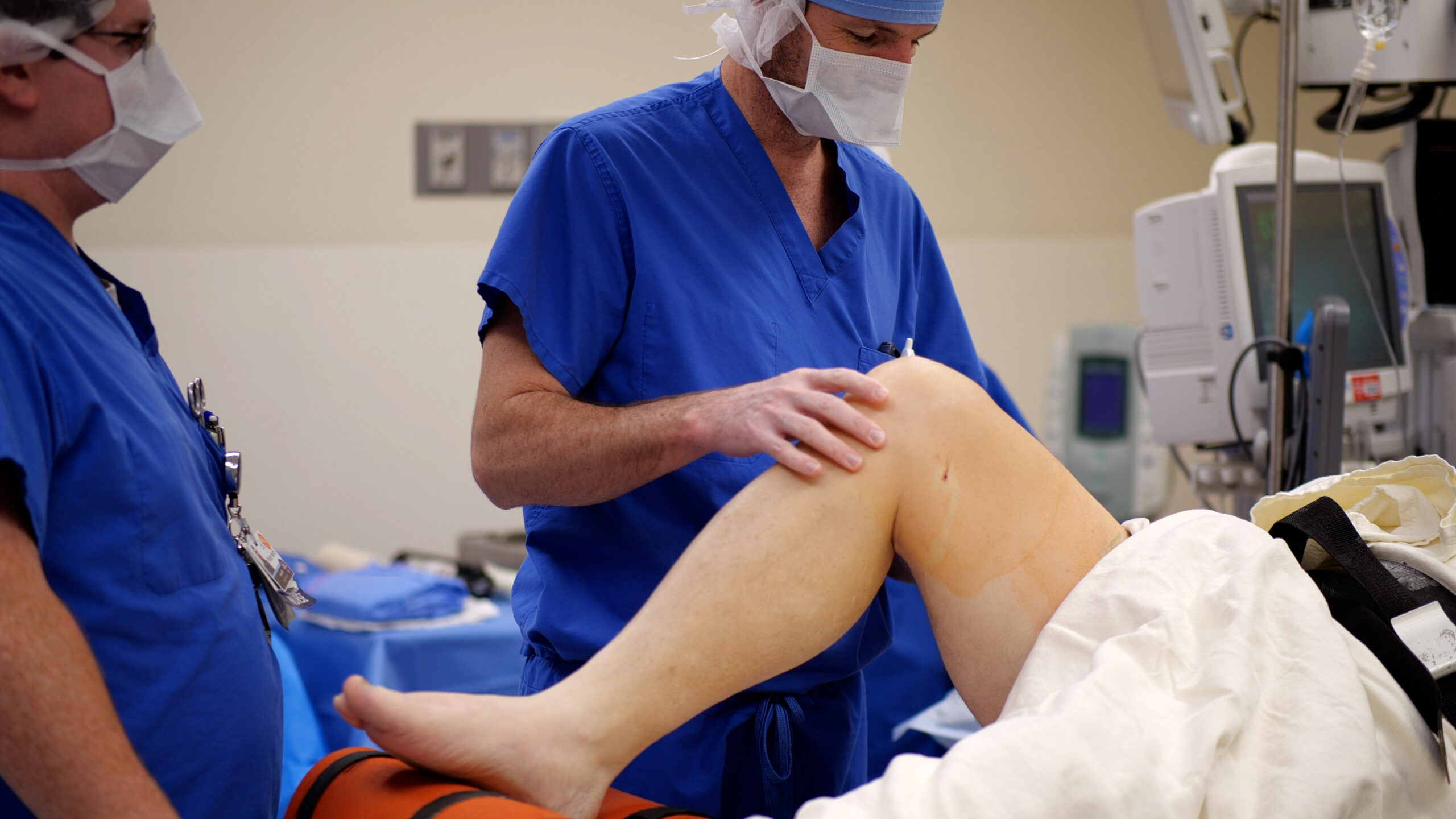
Knee replacement options vary based on the extent of joint damage, a patient’s overall health, and their mobility goals. Understanding the differences between partial and total replacement, along with available surgical techniques, can help patients discuss their options with an orthopedic surgeon. Here is a closer look at modern knee replacement options:
Assessing Suitability
Surgeons usually recommend knee replacement after nonsurgical treatments no longer provide relief. These treatments include physical therapy, weight management, medication, injections, and bracing. Some people try these options for some time, but their symptoms still limit daily activity.
During an evaluation, the surgeon examines the knee’s range of motion, stability, and alignment. X-rays show how much cartilage remains, and they reveal bone changes or deformities. The surgeon also asks how pain affects sleep, work, and routine tasks, which helps guide the decision.
Reviewing Partial and Total Replacement
The knee has three main areas: the inner side, the outer side, and the space behind the kneecap. Arthritis sometimes affects only one area, but it often spreads across the whole joint. The recommended procedure depends on where the damage appears and how far it extends.
Partial Knee Replacement
A partial replacement replaces only the damaged area, which leaves healthy bone, cartilage, and ligaments in place. Surgeons generally use a smaller incision than in a total replacement. Candidates usually have arthritis limited to one area, and they need stable ligaments.
Total Knee Replacement
A total replacement resurfaces all three areas of the joint. The surgeon removes damaged cartilage and a thin layer of bone from the thighbone and shinbone, and the back of the kneecap often receives an implant as well. This option suits people whose arthritis affects multiple areas of the knee.
Exploring Robotic-Assisted Technology
Robotic-assisted knee replacement uses a computer system and a robotic arm to support the surgeon during the procedure. The surgeon remains in control at all times, and the robot does not operate on its own. Before surgery, the surgeon uses a CT scan to create a 3D model of your knee, which they use to plan implant size and position. Key features include the following:
- 3D surgical planning: The system builds a model of your knee so the surgeon can map each bone cut ahead of time.
- Real-time feedback: Sensors track the joint during surgery and display data on alignment and ligament balance.
- Guided boundaries: The robotic arm limits movement to the planned area to protect surrounding tissue.
- Implant positioning: The software guides placement of each implant according to the plan.
Discussing Recovery, Risks, and Results
Recovery often begins on the day of surgery. A physical therapist helps you stand and walk with a walker, and you learn exercises to restore bending and strength. Some patients go home within one to two days, although some need a short stay in a rehabilitation facility. Outpatient therapy generally continues for several weeks.
Like any surgery, knee replacement has risks. These include infection, blood clots, stiffness, nerve injury, and implant wear over time. Your surgical team takes steps to reduce these risks, often including blood-thinning medication and wound monitoring. Report fever, spreading redness, or calf pain right away, and keep all follow-up appointments.
Schedule Your Knee Replacement Appointment
Knee joint replacement surgery can significantly improve mobility and reduce pain for patients dealing with severe joint issues. While results vary depending on factors such as age, overall health, and rehabilitation commitment, patients may experience a marked improvement in their quality of life. The new joint may not feel identical to a natural knee, and surgeons often recommend low-impact activities like walking or cycling to support long-term joint health. Contact a qualified orthopedic specialist near you to schedule your knee replacement appointment today.
