


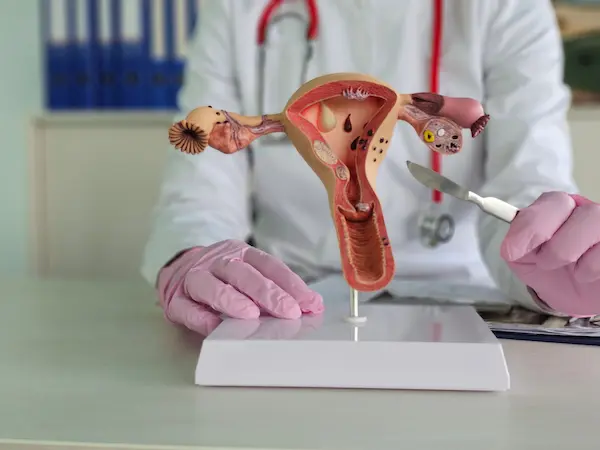
Endometriosis sometimes develops without noticeable warning signs, such as severe pelvic pain, while creating an inflammatory environment that affects fertility. When endometrial-like tissue grows outside the uterus, it triggers a persistent immune response that leads to internal scar tissue formation and fibrosis. Here are a few ways silent endometriosis impacts daily life:
Severe Abdominal Bloating
Silent endometriosis contributes to severe abdominal bloating. Endometrial-like tissue growing outside the uterus responds to menstrual cycles, creating inflammation in the pelvic lining. As the immune system reacts to this ongoing irritation, abdominal swelling and bloating develop. This discomfort often resembles gastrointestinal issues and disrupts normal physical comfort. Without obvious pain, the underlying cause remains difficult to identify. When endometrial-like tissue attaches to surfaces near the bowel, it continues to irritate the surrounding organs.
Frequent Urinary Urgency
Asymptomatic endometriosis contributes to frequent urinary urgency when endometrial-like tissue develops on the bladder surface or within nearby pelvic areas. This tissue responds to menstrual cycles, creating local inflammation that irritates the bladder wall. The ongoing irritation creates a persistent sensation of bladder pressure, making it difficult to maintain normal focus throughout the day.
Inflammation affects bladder relaxation and contributes to a feeling of incomplete emptying after urination. These symptoms disrupt daily routines by increasing the need for frequent restroom visits and interfering with sleep. The condition also produces recurring bladder discomfort and urinary symptoms that resemble those associated with bacterial infections. As a result, the symptoms are sometimes mistaken for a urinary tract infection, delaying identification of the underlying cause and complicating symptom management.
Bouts of Nausea
Misplaced endometrial-like tissue affects nearby digestive organs and contributes to episodes of nausea. Even without pelvic pain, this tissue responds to hormonal changes during the menstrual cycle, creating sensations of illness. These unexpected waves of nausea, sometimes accompanied by vomiting, disrupt daily activities and overall comfort. Gastrointestinal discomfort often follows a cyclical pattern that changes throughout the menstrual cycle. Nausea symptoms frequently intensify before and during periods, making their timing a key factor in identifying a possible connection to the reproductive system.
Disrupted Bowel Habits
Endometriosis affects the digestive system when endometrial-like tissue develops on or near the bowel walls. This tissue creates disruptions in normal digestive processes, leading to physical discomfort that interferes with daily routines. As the tissue responds to hormonal changes and irritates nearby organs, individuals experience changes in bowel habits, including episodes of diarrhea or prolonged constipation. These digestive changes make it challenging to maintain consistent schedules and complete everyday activities.
Managing persistent digestive discomfort requires ongoing effort and affects overall energy levels. When endometrial-like tissue involves the pelvic ligaments, it contributes to deep pelvic pressure during bowel movements; this involvement creates additional strain and makes bathroom visits physically difficult. Other signs associated with bowel habit changes include:
- Painful bowel movements
- Intense cramping
- Abnormal stool consistency
- Recurrent abdominal pain
Painful Sexual Intercourse
Individuals with asymptomatic endometriosis experience pain during sexual intercourse despite the absence of other noticeable symptoms. Endometrial-like tissue growth creates irritation in surrounding structures, increasing sensitivity during physical contact. The resulting discomfort ranges from mild sensations of pain to severe distress. Many individuals describe sharp or aching pain during penetrative intimacy, followed by lingering soreness that continues for hours afterward. This ongoing discomfort affects sexual activity and influences intimate relationships.
Learn More About Silent Endometriosis
Endometriosis can also disrupt normal hormone signaling, leading to changes in menstrual patterns and making physical symptoms less predictable. The condition is associated with irregular spotting between cycles, heavier-than-usual bleeding, and periods that last longer than expected. Contact a fertility specialist today to learn more about solutions for silent endometriosis symptoms.
