


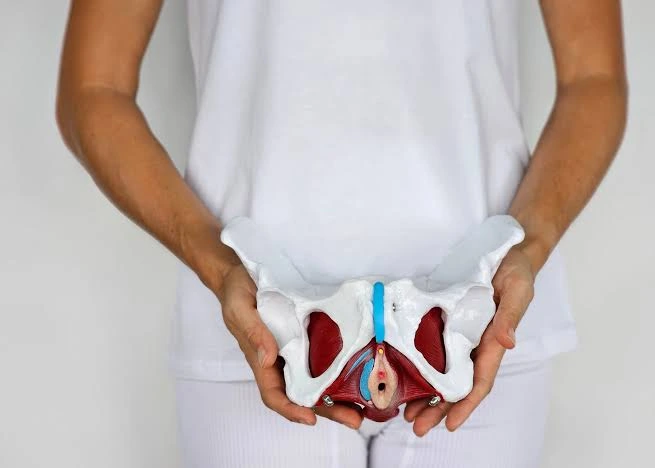
Pelvic floor dysfunction occurs when areas of your pelvis don’t work together properly, and these muscles support your bladder, bowel, and reproductive organs. The muscles may stay too tight, or they may fail to relax at the right time. These signs may indicate a possible problem with this muscle group:
Thin or Hard Stools
Pelvic floor dysfunction problems affect bowel habits. When the muscles fail to relax, stool has trouble passing through the rectum. You may strain more than usual, or you may sense incomplete emptying after a bowel movement. Thin stools have other causes too, so a doctor needs to rule those out. Watch for these specific changes:
- Thin, pencil-shaped stools
- Small, hard, pebble-like stools
- Frequent straining or pushing
- Constant need to change positions to pass stool
- Persistent constipation lasting more than a few weeks
Persistent Pain
Ongoing pain in the pelvis is a typical symptom. The pain may feel dull, or it may come as sharp spasms. Many people notice discomfort in the genitals, rectum, or hips after they sit for long periods.
Some people feel pain during sex, and many feel it during bowel movements. This pain often happens because tight muscles stay contracted instead of relaxing. Pelvic pain may also spread to the thighs. A heavy pressure in the lower belly is another sign.
If the pain lasts longer than a few weeks, write down when it starts and stops. Note your activity, posture, and stress level at the time. This record helps your provider spot patterns, and it saves time during your visit.
Urinary Incontinence
Urinary incontinence happens when you leak urine without meaning to. Some people leak small amounts during a cough or sneeze, and others feel sudden, strong urges. Weak or overly tight pelvic muscles play a role in both types. Typical urinary signs include:
- Leakage during exercise, laughing, or lifting
- Trips to the bathroom
- Urine stream that’s slow or interrupted
- Pain while urinating
- Feeling of a full bladder right after urinating
These symptoms are normal, but they are not a normal part of aging. Many people avoid the topic because it feels awkward to discuss. A pelvic floor exam gives your provider clear information about muscle function.
Lower Back Pain
The pelvic floor works with your deep core muscles. These muscles share the job of stabilizing your spine, and weakness in one group strains the others. When the pelvic floor does not function well, your lower back may ache.
This type of back pain often feels worse after you stand or sit for a long time. It may also come with hip or tailbone pain. Back pain has many causes, and an exam helps narrow down the source. A provider may check your pelvic floor if standard back treatments have not helped.
Book Pelvic Floor Dysfunction Screenings
Pelvic floor symptoms overlap, and many people have more than one, so if you notice any of these signs, schedule a pelvic floor dysfunction screening. A trained provider will assess your muscle strength, coordination, and control. The screening usually includes a review of your health history. Your provider may ask about bladder and bowel habits, and they may perform a physical exam.
