


When you lose one or more teeth, everyday tasks like chewing and speaking may start to feel different. Dentures replace missing teeth with artificial teeth set in a gum-colored base. Some people need only a few replacement teeth, but others need a complete arch. Here is more information on the different types of denture options:
Full Sets
Full dentures replace all the teeth in your upper or lower arch. An upper denture stays in place through suction, which forms between the base and your palate. Lower dentures have less surface area, so they typically feel looser at first.
Your gums and jawbone change shape over time, so full dentures need a reline every few years. Adhesive creams give extra hold for some wearers. You may notice small changes in speech and chewing until your mouth adjusts. Reading aloud at home gives your tongue and cheeks steady practice.
Partial Sets
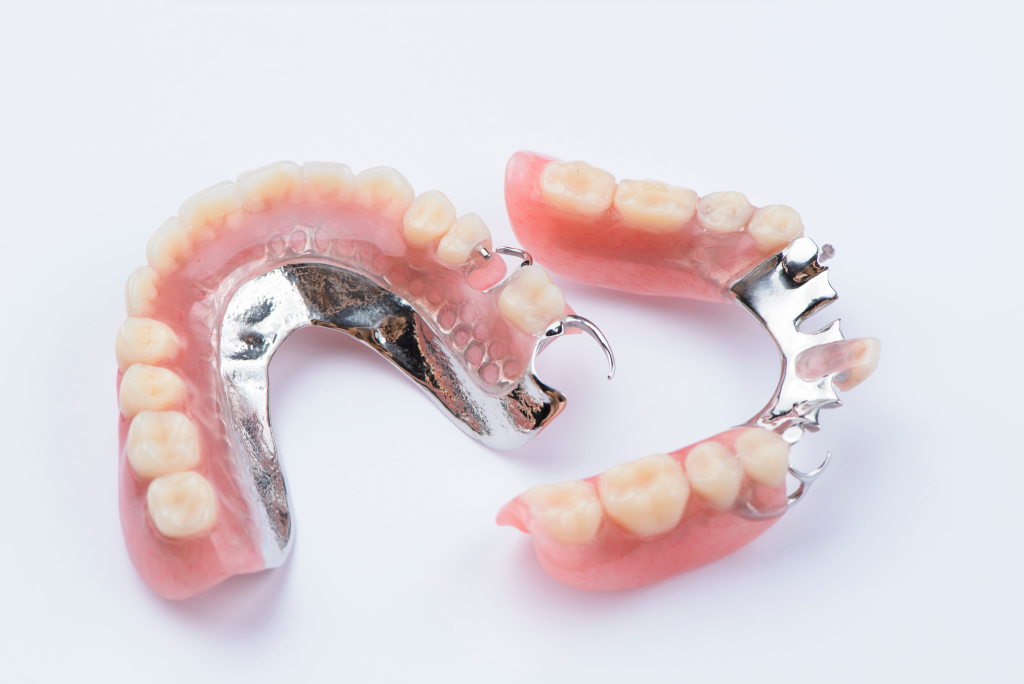
Partial dentures replace one or several missing teeth in a single arch. Your remaining natural teeth stay in place, and the partial fills the gaps between them. Most partials attach with small metal clasps that grip nearby healthy teeth. Your dentist designs each partial from impressions of your mouth.
Partials come in several materials, and each material has its own feel and maintenance. Metal-based partials use a cobalt-chrome frame that stays thin and sturdy. Flexible partials use a soft nylon resin in place of metal. Acrylic partials may serve as a short-term option during healing.
Since gaps allow nearby teeth to drift, a partial also helps hold your remaining teeth in position. Take your partial out each night for cleaning. Your dentist checks the fit at regular visits, and minor adjustments keep the clasps snug. Clean it daily with a soft brush and a non-abrasive cleanser.
Implant Dentures
Implant dentures attach to small titanium posts that a surgeon places in your jawbone. The posts fuse with the bone over several months, and the denture then connects to them. This setup limits slipping during meals and conversation. Two styles exist:
- Snap-in dentures: clip onto two to four implants and come out for nightly cleaning
- Fixed dentures: screw onto four to six implants and stay in your mouth full time
Implant treatment takes longer than other denture options. The full process may take several months, and it involves minor oral surgery. Your dentist checks your jawbone density before you commit to this route. Since these may be more complex than standard dentures, ask about insurance coverage and payment plans early.
Each denture type has trade-offs, and the ideal match depends on your mouth, health, and insurance. If you need X-rays, a dental team typically takes them during the same visit. Your dentist then walks you through the options that fit your exam results.
Book a Consultation for Dentures
During a consultation, your dentist examines your gums, remaining teeth, and jawbone. When you book, have your insurance details ready for the front desk. Bring a written list of questions about cost, timelines, and daily care. You can schedule online at any time, or you can call the office directly.
