


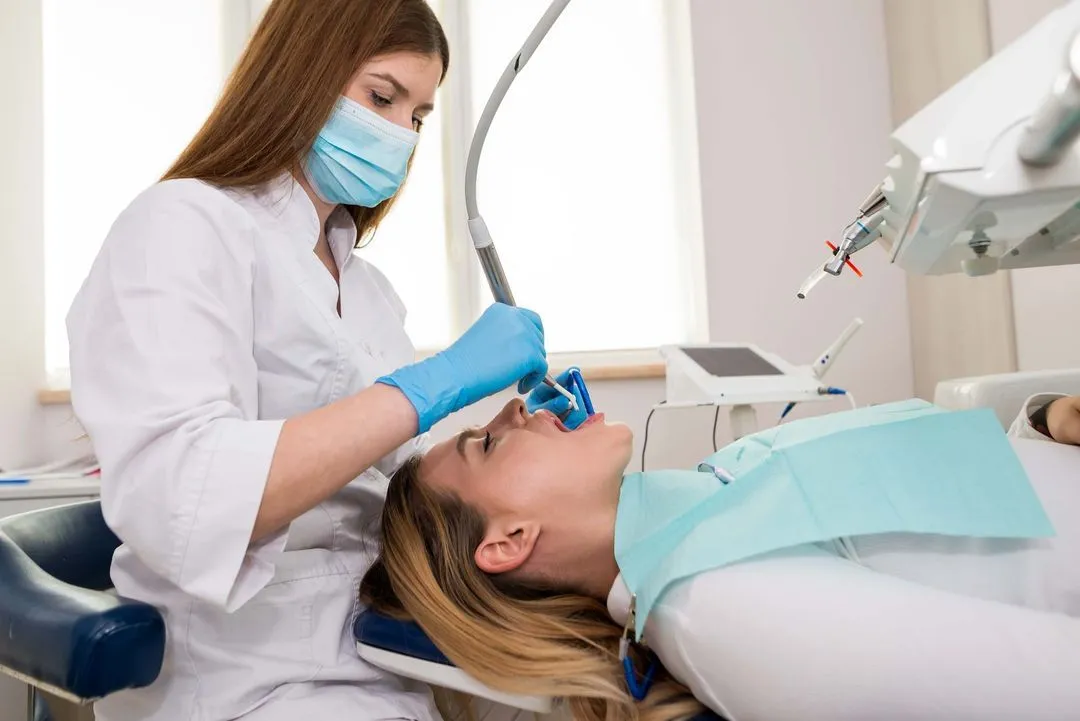
Gum disease affects many people; it may progress silently until noticeable symptoms appear. Periodontal treatments address this condition at various stages, which range from early gum inflammation to advanced bone loss. Dental patients who understand their treatment options can make informed decisions about their oral health. Here is more information on the main types of periodontal treatment and their benefits:
What Are Periodontal Treatment Types?
Periodontal treatments are procedures designed to manage and reverse gum disease. The three primary treatment types include scaling, root planing, and laser treatment; each method targets a different stage of the disease. Because gum disease varies in severity, every method offers distinct advantages, and dentists choose the approach that fits the patient’s condition.
How Do They Work?
Scaling begins with a thorough examination of the gums and teeth. The dental professional identifies areas where plaque and tartar have accumulated, and the hardened deposits are then broken apart. Patients may feel slight vibration or pressure during the procedure, but discomfort is generally minimal.
Root planing follows a similar process, but it focuses specifically on the tooth root below the gumline. The dentist smooths rough patches on the root surface so that bacteria have more difficulty reattaching. This step reduces inflammation, and it allows the gum tissue to reattach more securely to the tooth. Patients may undergo scaling and root planing together in a single appointment.
Laser treatment operates differently from traditional methods. A dental laser targets and removes diseased tissue with precision while leaving healthy tissue largely undisturbed. The laser also sterilizes the treatment area, and this may lower the risk of infection. Because laser treatment is less invasive, patients may experience reduced bleeding and swelling.
What Are the Benefits?
Periodontal treatment offers several benefits beyond addressing gum disease. Patients who complete scaling and root planing may notice reduced gum inflammation, less bleeding during brushing, and fresher breath; these improvements come directly from removing the bacteria that cause infection and irritation. Treatment also protects against long-term complications. Untreated gum disease can lead to tooth loss, bone deterioration, and broader health concerns linked to chronic inflammation, so early intervention is beneficial. When the condition is addressed early, overall oral function is supported for years to come.
Laser treatment provides additional advantages for patients seeking a less invasive option:
- Faster recovery time compared
- Reduced discomfort
- Lower risk of infection
Patients who choose laser treatment may return to normal activities more quickly than those undergoing conventional surgical methods. This makes it a practical choice for individuals with busy schedules or heightened sensitivity to dental procedures.
Learn More About Periodontal Treatments
Gum disease may not improve without intervention, and delaying treatment allows the condition to progress further. Scaling, root planing, and laser treatment each offer effective options for healthier gums, with the right choice depending on the severity of the condition and individual patient needs. If you are experiencing symptoms such as bleeding gums, persistent bad breath, or gum recession, schedule an evaluation promptly. Early diagnosis allows for simpler, less invasive treatment options.
