


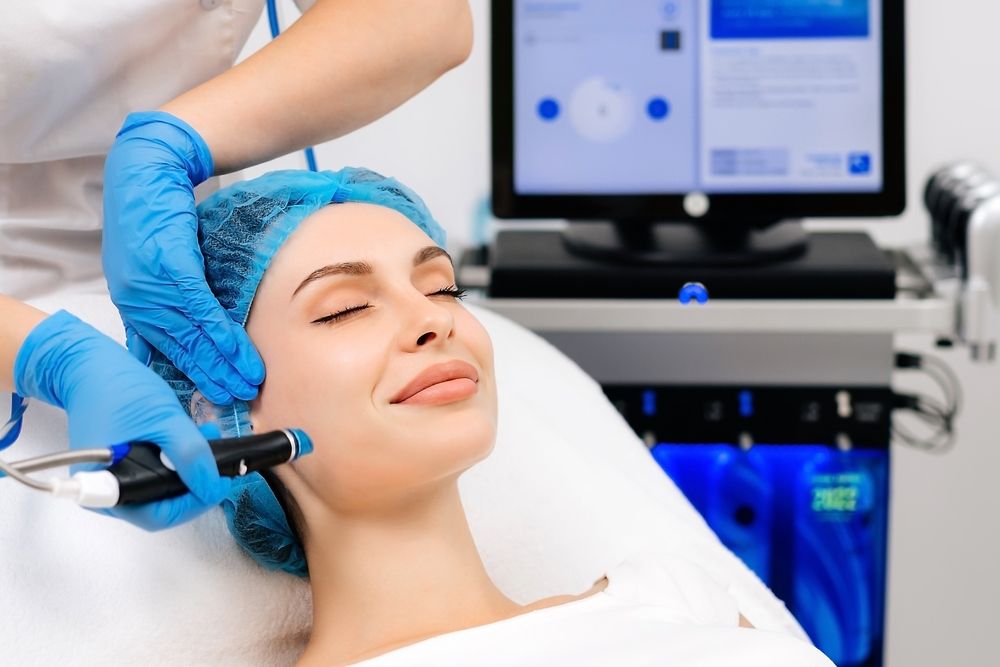
Dermatologists diagnose conditions like acne and skin cancer, and they also perform cosmetic procedures. Since tools and techniques in dermatology keep changing, treatment options look different now than in the past. Here are several areas of recent progress in dermatology treatments:
Laser Treatments
Fractional lasers treat tiny columns of skin while the surrounding tissue stays intact. This approach targets fine lines, acne scars, and uneven texture. Ablative versions remove thin layers of skin, but non-ablative versions heat the tissue below the surface. Depending on the type of treatment, recovery ranges vary between individual patients.
Intense pulsed light (IPL) is not a true laser, and it uses a broad spectrum of light instead. When the light reaches pigment or blood vessels, it converts to heat. Dermatology clinics use IPL for sun spots, redness, and broken capillaries. Most people need three to five sessions spaced about a month apart.
Pulsed dye lasers emit yellow light. This light targets hemoglobin, which gives blood its red color. Dermatologists use these lasers for rosacea and port-wine stains, and they also treat some scars. Temporary bruising may appear afterward, so ask your provider what to expect.
Injectables
Injectables fall into two main groups. Neuromodulators relax specific facial muscles, and dermal fillers add volume under the skin. Since each product works differently, your provider will match the product to your goals. Side effects include swelling and bruising, so plan treatments around upcoming events. Typicalinjectable options include:
- Neuromodulators: soften forehead lines, frown lines, and crow’s feet
- Hyaluronic acid fillers: restore volume in lips, cheeks, and under-eye hollows
- Biostimulators: prompt the skin to produce new collagen over several months
Mohs Surgery
Mohs surgery treats basal cell and squamous cell carcinomas that appear on the face, ears, or hands. The surgeon removes one thin layer of tissue at a time, and a lab examines each layer right away. The surgeon repeats this step within the same appointment.
Mohs surgery removes very little healthy skin, and this approach helps limit scarring. The procedure typically takes several hours. If you have a suspicious spot, a board-certified dermatologist will decide whether Mohs fits your diagnosis.
Liposuction and Body Contouring
Traditional liposuction removes fat through a thin tube, and newer techniques use smaller incisions. Many patients now choose non-surgical body contouring because it requires little or no downtime. These treatments target stubborn fat on the abdomen, thighs, and flanks. Non-surgical options include:
- Cryolipolysis: freezes fat cells, which the body clears over time
- Radiofrequency: heats fat cells and tightens skin
- Ultrasound methods: targets deeper fat layers
Body contouring is not a weight-loss method. Providers typically recommend it for people who are close to their goal weight. Results may develop over several months, and some people need more than one session.
Schedule a Dermatology Clinic Visit
Before you book any procedure, schedule a consultation with a board-certified dermatologist. Bring a list of your current medications and skin concerns. Your provider will review your health history, and together you will build a personalized treatment plan. Ask for pre-care and post-care instructions so you know how to prepare.
