


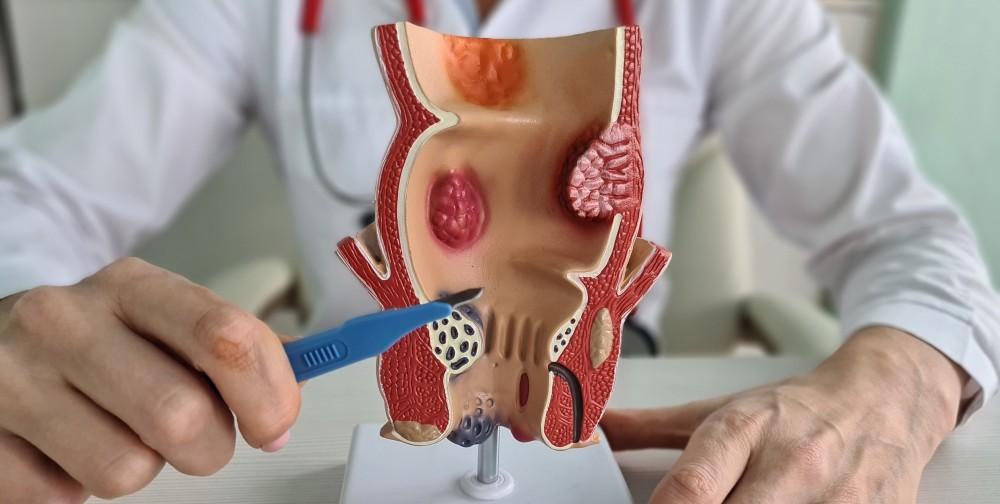
Hemorrhoids are swollen veins around the anus. These veins bulge because pressure builds in the area, and straining during bowel movements is a common cause. Some people develop hemorrhoids at some point, and hemorrhoid treatment options range from simple habits to medical procedures. A doctor can diagnose your condition while recommending the right path forward.
Lifestyle Modifications for Hemorrhoids
Lifestyle changes are the first step for most people with hemorrhoid treatment. A fiber-rich diet helps your body form softer stools. You can add fruits, vegetables, and whole grains, which ease constipation over time. When constipation improves, you strain less and lower pressure on the affected veins. Drinking more water supports digestion, so soft stools pass more easily. Regular exercise keeps your bowels moving, and they reduce the risk of new flare-ups.
- Eat enouch grams of fiber daily through fruits, vegetables, and whole grains.
- Drink enough water each day to support soft stools.
- Exercise regularly to keep bowels moving and reduce flare-ups.
- Take warm sitz baths a few times a day to ease swelling.
- Use a small footstool to elevate your feet and reduce strain during bowel movements.
- Respond promptly to the urge to go; avoid delaying or straining.
Medications for Hemorrhoid Relief
These products reduce swelling; they ease discomfort near the affected area. Creams and ointments suit mild cases of hemorrhoids. You apply them directly, and many are available without a prescription. Some options contain ingredients that calm irritation, while others target inflammation directly. Look for products with hydrocortisone, witch hazel, or lidocaine. Each ingredient serves a different purpose.
Apply the product after each bowel movement and before bed. Clean the area gently before applying. Proper hygiene helps the product work more effectively and lowers the risk of irritation. Read the label before use since you should follow the recommended schedule closely. Overuse can irritate sensitive skin, so stick to the directed amount.
Procedures for Chronic Hemorrhoids
Chronic hemorrhoids sometimes require medical procedures when lifestyle changes and medications no longer provide relief. Surgery becomes an option when other treatments fail. Your doctor helps determine when that point has been reached. A doctor examines your condition first, and this step confirms the diagnosis before any procedure moves forward. Symptoms like persistent bleeding, prolapsed hemorrhoids, or ongoing pain are signs that a procedure may be the next step. During a colonoscopy, a physician can view the colon and rule out other conditions that share similar symptoms. This evaluation matters because an accurate diagnosis makes sure you receive the right treatment for your specific situation. Several procedures exist, and each one targets hemorrhoids at a different stage of severity. Rubber band ligation is a non-surgical option. Most people tolerate both methods with minimal discomfort.
Discuss Hemorrhoid Treatment Today
Hemorrhoids respond well to the right treatment plan. Lifestyle changes, medications, and procedures each address different stages of the condition. A doctor evaluates your symptoms, and this assessment guides the best course of action. Mild cases often improve with fiber and topical products, while chronic cases may call for a procedure.
