


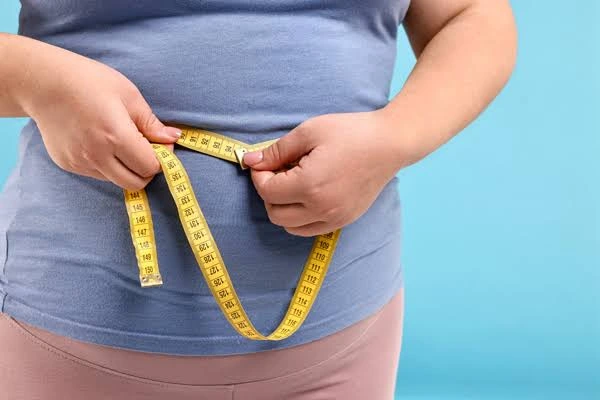
Weight loss happens when your body burns more energy than it takes in, and many factors affect this balance, including sleep, stress, genetics, and hormones. While quick diets typically fail, steady habits tend to hold up over months and years. Here are four helpful approaches and how each one works:
Healthy Food Portions
Portion size has a direct effect on daily calorie intake. When restaurant servings grow larger, some people eat more than they realize. You don’t need to cut out favorite foods, but you do need to watch how much you eat. Try these changes for weight loss:
- Fill half your plate with vegetables or salad.
- Keep protein to about the size of your palm.
- Limit grains and starches to one cupped handful.
- Use smaller plates and bowls at home.
When you eat slowly, your brain has time to register fullness. Put your fork down between bites, and drink water throughout the meal. A food journal or tracking app adds accountability. Many people also eat less when they avoid screens at mealtimes.
Consistent Exercise Regimens
Regular movement supports weight management and overall health. Your doctor may recommend moderate activity each week, and that time can be split into short sessions. If you are new to exercise, start with 10- to 15-minute walks and build from there. Household chores like vacuuming and gardening also count toward your weekly total.
Cardio burns calories during the workout, and strength training builds muscle over time. Since muscle uses more energy at rest, lifting weights two or three times a week adds value. Brisk walking, cycling, and swimming are low-impact cardio options. Aim to work all major muscle groups across the week.
Consistency matters more than intensity when you want lasting change. A set schedule helps you treat workouts like any other appointment. You might exercise in the morning, or you might prefer an evening routine. Pick activities you enjoy so you stick with them.
Prescribed Medications
Some adults need more support than diet and exercise provide, and a licensed provider may prescribe medication. Typical options include semaglutide and tirzepatide. Providers usually prescribe semaglutide when your BMI is 30 or higher, or when the patient has a health condition. A provider reviews your health history before writing any prescription.
GLP-1 medications slow digestion and reduce appetite. Since side effects like nausea and constipation may occur, providers typically start with a low dose. Regular check-ins track your progress, and your provider adjusts the plan as needed. These drugs work alongside healthy eating and regular activity, not in place of them.
Injectable Blends
Some med spas offer lipotropic injections, which combine amino acids and vitamins. Lipo C is one example of this type of blend. If you are curious about lipotropic shots, ask about the ingredients and the provider’s training. The formula varies by provider, but they may include these ingredients:
- Methionine: an amino acid involved in fat processing in the liver
- Inositol: a compound that plays a role in insulin signaling
- Choline: a nutrient that helps the liver move fat
- L-carnitine: an amino acid that carries fatty acids into cells for energy
Explore Weight Loss Options
Sustainable weight loss usually involves several strategies working together. Before you start any program, talk with a licensed provider about your health history. They may suggest lifestyle changes alone, or they may recommend medication or injections. A personalized plan accounts for your goals, schedule, and medical needs.
