


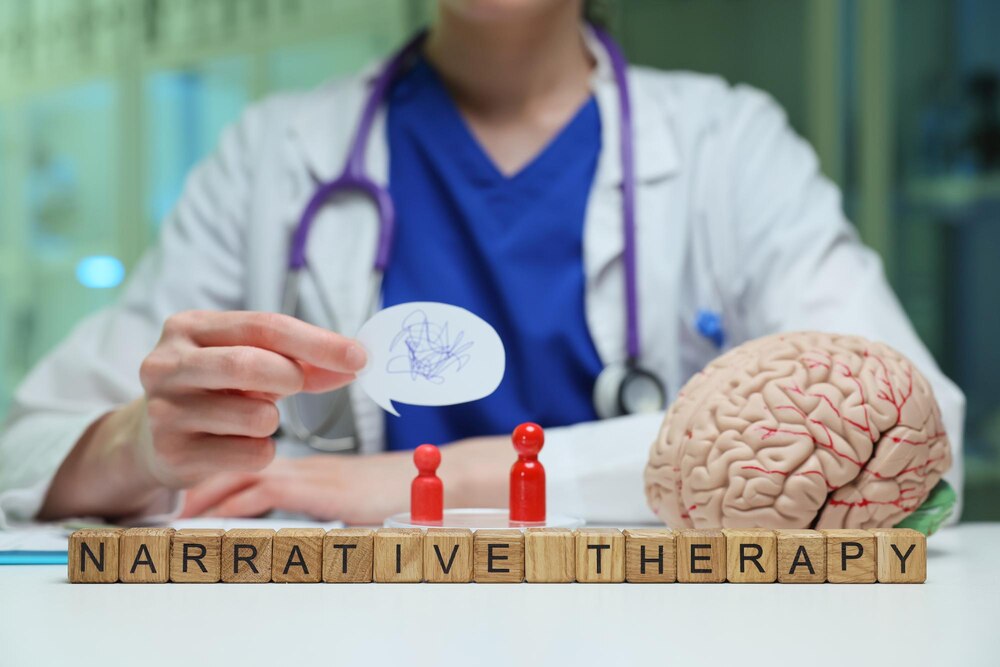
Brain injuries include traumatic brain injuries, strokes, and hypoxic or anoxic injuries, and they may respond well to a combination of physical, speech, and occupational therapy, along with prescription medication and physiatry. Recovery outcomes vary by injury type and severity. Structured, multidisciplinary treatment plans support progress in mobility, cognition, and daily function because they address several areas of impairment at once. Here is more information on innovative therapies for brain injuries:
Brain Injuries
Brain injuries disrupt normal brain function. They affect everything from motor skills to emotional regulation, and the severity depends on which brain regions are damaged. Damage can result from an external force, disrupted blood flow, or a lack of oxygen reaching brain tissue. Because each cause produces distinct patterns of damage, clinicians tailor their diagnostic and treatment approaches accordingly.
Different Types
Traumatic brain injury (TBI) occurs when an external force, such as a fall, car accident, or blow to the head, damages brain tissue. Symptoms range from mild concussion effects to severe, long-term impairment. Stroke happens when blood flow to part of the brain is interrupted. The interruption results from either a blockage (ischemic stroke) or a rupture (hemorrhagic stroke). Brain cells begin to die within minutes; a rapid medical response influences long-term outcomes.
Anoxic or hypoxic brain injuries develop when the brain receives too little oxygen. Anoxic injury refers to a complete lack of oxygen, while hypoxic injury involves a partial reduction. Causes include cardiac arrest, drowning, or complications during surgery. These injuries can affect widespread areas of the brain because oxygen deprivation impacts tissue broadly rather than in one localized region, and the resulting damage varies from patient to patient.
Innovative Therapies
Because every injury affects the brain differently, treatment plans vary from patient to patient. Physical therapy rebuilds strength, balance, and motor coordination through targeted exercises. Speech therapy addresses communication difficulties, including trouble forming words, understanding language, or controlling the muscles used for speaking and swallowing. Therapists also work on cognitive-communication skills, and these skills include organizing thoughts and following conversations. When a patient struggles to follow a conversation, the therapist may introduce exercises that strengthen attention and comprehension.
Occupational therapy focuses on restoring the skills needed for daily living, from dressing and cooking to managing finances. Therapists may introduce adaptive tools and strategies, and these resources let patients regain independence faster. Since daily tasks differ for each patient, therapists select activities that match the patient’s goals.
Prescription medication manages symptoms such as seizures, muscle spasticity, or sleep disturbances. These symptoms sometimes accompany brain injury, and they can interfere with other therapies if left untreated. When symptoms are controlled, patients can participate more fully in rehabilitation. Physiatry coordinates these therapies under one treatment plan. The physiatrist adjusts the approach as the patient progresses.
Learn More About Therapy Now
Brain injury recovery depends on matching the right combination of therapies to each patient’s specific needs. Traumatic brain injury, stroke, and hypoxic or anoxic injury each call for distinct treatment strategies, and a specialist can determine the most suitable approach. If you are looking to understand which therapies fit a particular diagnosis, speak directly with a neurorehabilitation specialist.
