


Varicose veins are enlarged veins that commonly develop in the legs and may be associated with underlying vein conditions. A vascular specialist evaluates symptoms, circulation, and vein function to determine the cause and discuss treatment options. Learning about varicose veins helps patients better understand their condition and available care approaches. Here is more information about prevention and treatment strategies for varicose veins:
Identifying Vein Risks
Several factors may increase the likelihood of developing varicose veins. Age, family history, body weight, pregnancy, hormone changes, and prolonged standing or sitting are all factors that affect vein health. A vascular specialist reviews these factors along with a patient’s symptoms and medical history during an evaluation.
Lifestyle habits and overall health sometimes influence circulation and vein function over time. Regular movement and other healthy habits may be discussed as part of an individualized care plan when appropriate. Treatment recommendations vary based on each patient’s symptoms, risk factors, and vascular evaluation.
Supporting Vein Health
Lifestyle habits may support overall vein health and healthy circulation. A vascular specialist is able to discuss regular physical activity, weight management, leg elevation, compression stockings, and reducing prolonged sitting or standing based on each patient’s needs. Recommendations vary according to the patient’s symptoms, medical history, and vascular evaluation.
Exploring Vein Treatments
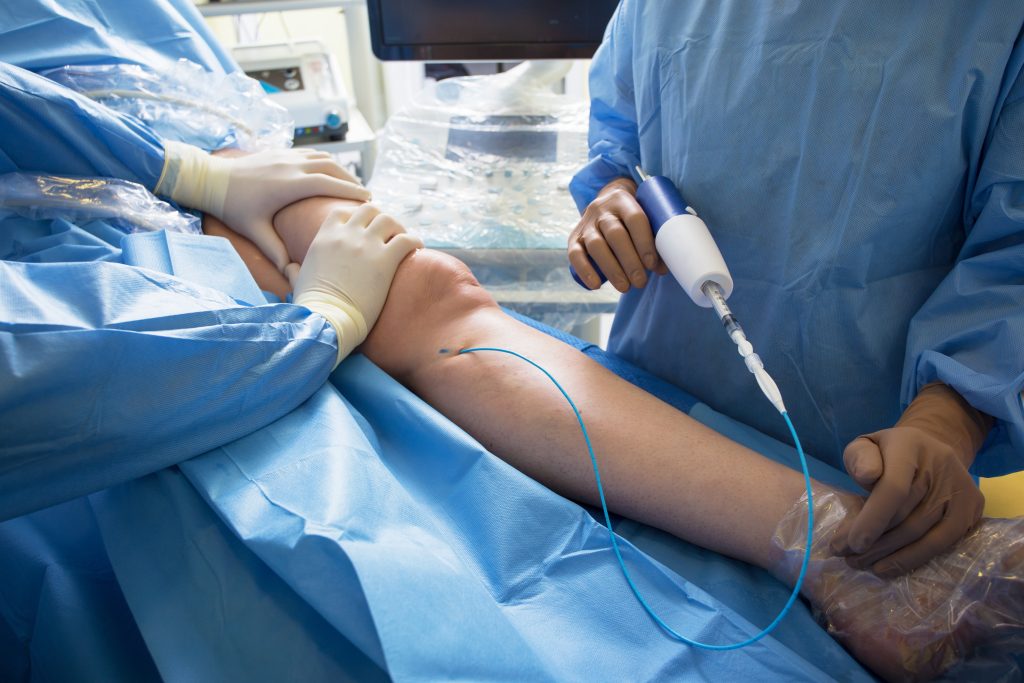
A vascular specialist may recommend minimally invasive procedures when conservative measures do not adequately address varicose vein symptoms. Treatment recommendations depend on the size and location of the affected veins, along with each patient’s symptoms and overall health. Common treatment options include:
- Endovenous Laser Therapy (EVLT): Uses laser energy to treat selected veins.
- Radiofrequency Vein Ablation: Uses radiofrequency energy to treat affected veins.
- VenaSeal: Uses a medical adhesive to close selected veins.
- Sclerotherapy: Uses a specialized solution to treat certain varicose or spider veins.
- Phlebectomy: Removes selected veins through small skin openings.
A vascular specialist explains the benefits, potential risks, and recovery expectations for each procedure during the consultation. Treatment plans are personalized according to the patient’s vascular evaluation, symptoms, and healthcare needs. Follow-up care recommendations vary based on the procedure performed and the patient’s recovery.
Diagnosing Vein Conditions
A vascular specialist evaluates varicose veins through a physical examination, medical history, and diagnostic testing when appropriate. Imaging studies, including duplex ultrasound, may be used to assess vein structure and blood flow as part of the evaluation. The results help guide treatment recommendations based on each patient’s symptoms, vein condition, and overall vascular health.
Managing Vein Symptoms
People with varicose veins can use home care strategies to help manage symptoms between appointments. A vascular specialist recommends compression stockings, leg elevation, regular physical activity, or other supportive measures based on the patient’s symptoms and medical history. The provider tailors these recommendations to each patient’s individual needs.
Patients can use home care strategies alongside their provider’s treatment plan when appropriate. A vascular specialist reviews the patient’s vascular evaluation and overall health to recommend suitable approaches. Follow-up appointments allow the provider to monitor symptoms and determine whether additional treatment options are appropriate.
Schedule Your Varicose Veins Appointment
Varicose veins may affect circulation, comfort, and daily activities for some patients. A vascular specialist evaluates symptoms and discusses treatment options based on each patient’s individual needs. A comprehensive vascular evaluation helps guide personalized care recommendations and treatment planning. Schedule a consultation today to discuss your vein health and available treatment options with a vascular specialist.
