


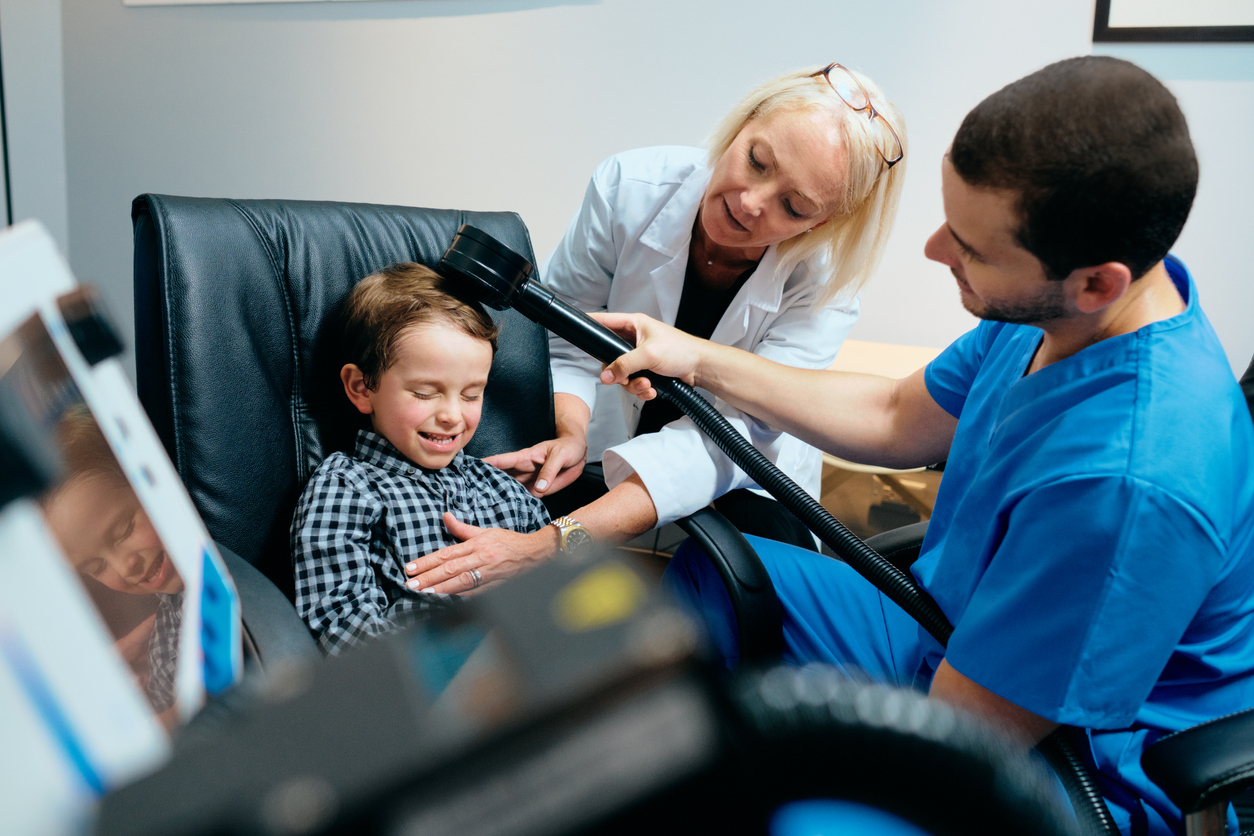
Pediatric neurology focuses on disorders of the brain, spine, nerves, and muscles in children. A pediatric neurologist treats epilepsy, migraines, and developmental delays, and they also monitor brain growth over time. Since the brain controls mood, attention, and behavior, neurological conditions can affect a child’s behavioral health; this overlap shapes diagnosis and treatment planning. Here is more information on this connection:
Cognitive Challenges
When a neurological condition affects memory or attention, a child may struggle with schoolwork and daily routines. Problems with processing speed, working memory, and planning may appear together. Some children lose focus during lessons, and others have trouble following multistep directions. A neuropsychological evaluation measures these skills in detail.
Cognitive problems affect learning, but they also influence behavior at home and school. A child who struggles in class may act out, withdraw, or refuse to attend. Your pediatric neurology clinic can coordinate care with a psychologist or school team. To prepare, written test results help teachers plan classroom supports.
Developmental Delays
Developmental delays involve slower progress in movement, speech, social skills, or thinking. If a child misses several milestones, a pediatric neurologist looks for an underlying cause. Some delays stem from genetic conditions, and others relate to prematurity or differences in brain structure. Signs include the following:
- Little or no babbling during the first year
- Limited eye contact or response to their name
- Frequent, intense tantrums
- Lost skills a child once had
- Hard time sitting, crawling, or walking at expected ages
As delays can overlap with autism or ADHD, each condition needs its own assessment. Early testing clarifies the picture, and it guides referrals to speech, occupational, or behavioral therapy. Keep a written log of milestones and concerns before each visit.
Chronic Epilepsy and Seizures
Epilepsy involves repeated, unprovoked seizures, and it ranks among the most common childhood neurological conditions. Seizures range from brief staring spells to full-body convulsions. Since some seizures look like daydreaming, parents and teachers sometimes miss them. An EEG records brain activity and helps identify the seizure type.
Children with epilepsy may face anxiety, depression, and ADHD. Some anti-seizure medications affect mood, and others may cause fatigue or irritability. If you notice behavior changes after a dose adjustment, report them to your child’s neurologist.
While seizure control remains the main goal, treatment plans also address sleep, school, and safety. Poor sleep may help control seizures in many children. A seizure action plan guides teachers and caregivers, and it lists steps to take during an event.
Acquired Brain Conditions
Acquired brain conditions develop after birth, and they include concussions, strokes, infections, and tumors. When an injury affects the frontal lobes, a child may become more impulsive or irritable. Symptoms may surface weeks after the event. Since these changes affect learning, many children use temporary school accommodations. Watch for these changes:
- Frequent headaches or sensitivity to light
- New trouble with memory or focus
- Sudden mood swings or irritability
- Constant changes in sleep patterns
- Lowered grades
Book a Pediatric Neurology Visit
A pediatric neurologist evaluates the links between brain function and behavior. If your child shows any of the signs above, schedule an appointment with our neurology team. Bring school reports and symptom notes, and list your child’s current medications. A medical team can review your child’s full history during the first visit.
