


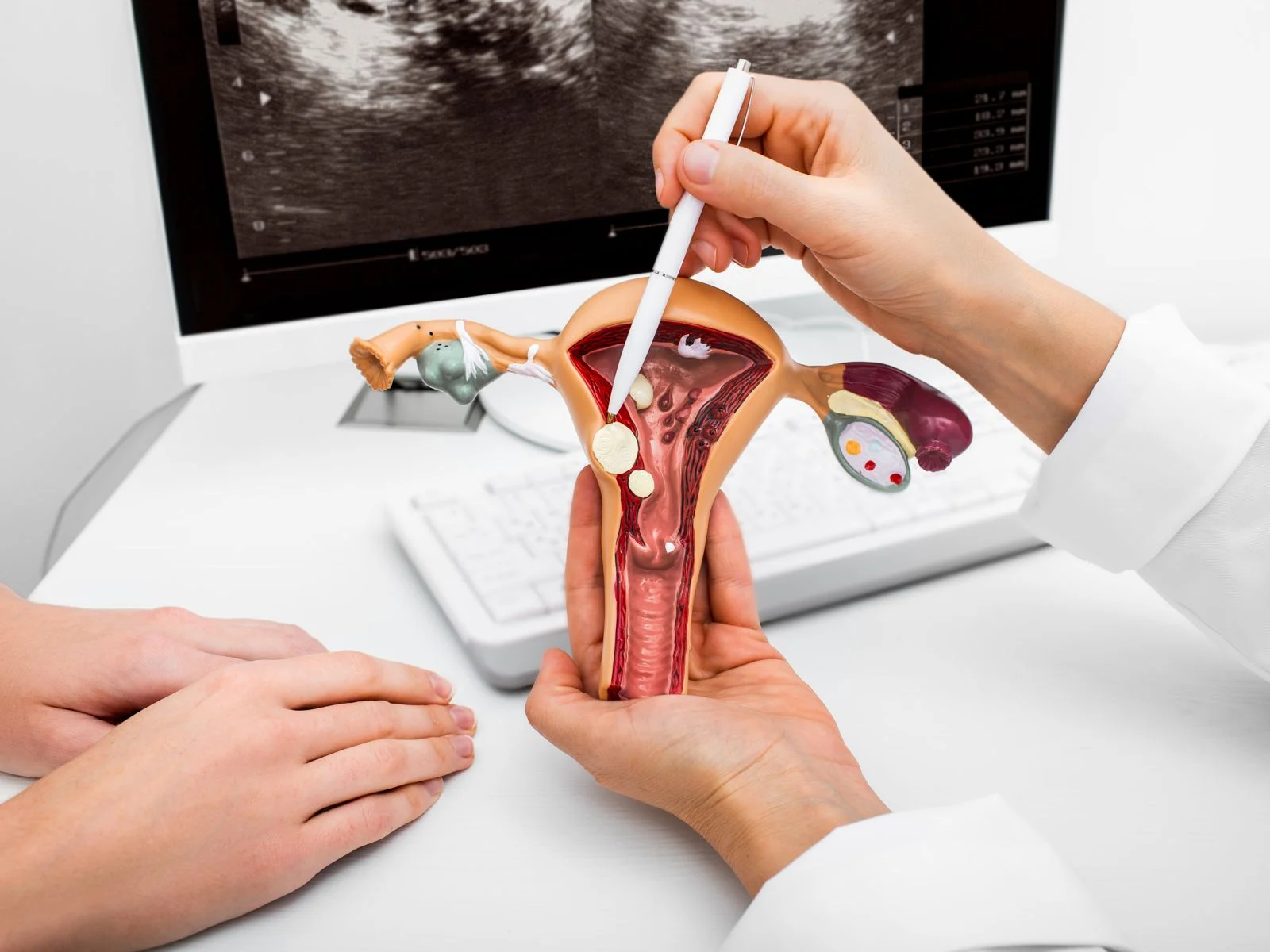
A hysterectomy is a surgical procedure that removes the uterus. Doctors recommend it for many reasons, and the specifics of each surgery depend on a patient’s medical history and treatment goals. Because every patient’s situation is different, understanding the procedure can help them prepare for surgery and recovery. Here’s information about hysterectomies and what they involve:
Understanding Your Procedure Options
Surgeons classify hysterectomies by how much tissue they remove, and understanding the differences helps you engage more meaningfully in your care planning. A total hysterectomy removes the entire uterus, including the cervix. Partial hysterectomies, also called supracervical or subtotal hysterectomies, remove the upper portion of the uterus while leaving the cervix intact. During a radical hysterectomy, the surgeon removes the uterus, cervix, upper vagina, and surrounding tissue; professionals may reserve this type for specific diagnoses, such as cancer.
Reviewing Surgical Approaches
Surgeons use several approaches to perform a hysterectomy, and each one differs in technique and recovery profile. An abdominal approach involves an incision in the lower abdomen, while a vaginal approach removes the uterus through the vagina, leaving no external incision. During a laparoscopic procedure, the surgeon uses a few small incisions and a thin camera to guide the surgery.
A robotic-assisted approach relies on robotic instruments that the surgeon controls from a console, offering a heightened level of precision. This can be ideal for complex or hard-to-reach cases. The surgeon views a magnified, three-dimensional image of the surgical area throughout the procedure, which supports enhanced accuracy and control. This approach uses small incisions similar to laparoscopic surgery, and recovery timelines are generally comparable.
Your surgeon selects the surgical approach based on your medical history, the size of your uterus, and the reason for the procedure. Most hysterectomies use general anesthesia, and hospital stays may range from same-day discharge to several days. Although recovery experiences vary, your surgeon will explain the potential benefits and risks and provide instructions to help you prepare for surgery and healing.
Planning for Your Surgery
Preparation typically begins a few weeks before your surgery date. Your care team may schedule bloodwork, imaging, or other assessments. They review your current medications and supplements, which lets them advise you on whether to pause any before the procedure. You may also receive specific instructions about eating and drinking in the days leading up to surgery; follow these directions closely. Arrange transportation home in advance and line up support for daily tasks during the initial recovery period. Because preparation can make recovery easier, stock your home with simple meals, keep frequently used items within easy reach, and set out loose, comfortable clothing beforehand.
Recovery timelines vary by procedure type and person; your care team will provide a personalized estimate and detailed discharge instructions. They can also outline which activities to avoid and when it is appropriate to resume them. Here are some questions to ask your care team:
- Which type of hysterectomy do you recommend for me, and why?
- Will my plan include removing my ovaries or fallopian tubes?
- Which surgical approach will you use, and what are the alternatives?
- How long will I stay in the hospital?
- What restrictions will I follow during recovery?
- When should I schedule follow-up visits?
- Who should I contact if concerns arise after I go home?
Keep all follow-up appointments as scheduled. Contact your care team promptly if you notice any of the warning signs listed in your discharge paperwork.
Learn More About Hysterectomy Procedures
Hysterectomies may be recommended for various conditions; this includes endometriosis, uterine prolapse, and cancer. The process involves several fundamental decisions, from the type of procedure to the surgical approach and recovery plan. Schedule a conversation with your doctor to build a plan tailored to your needs.
