


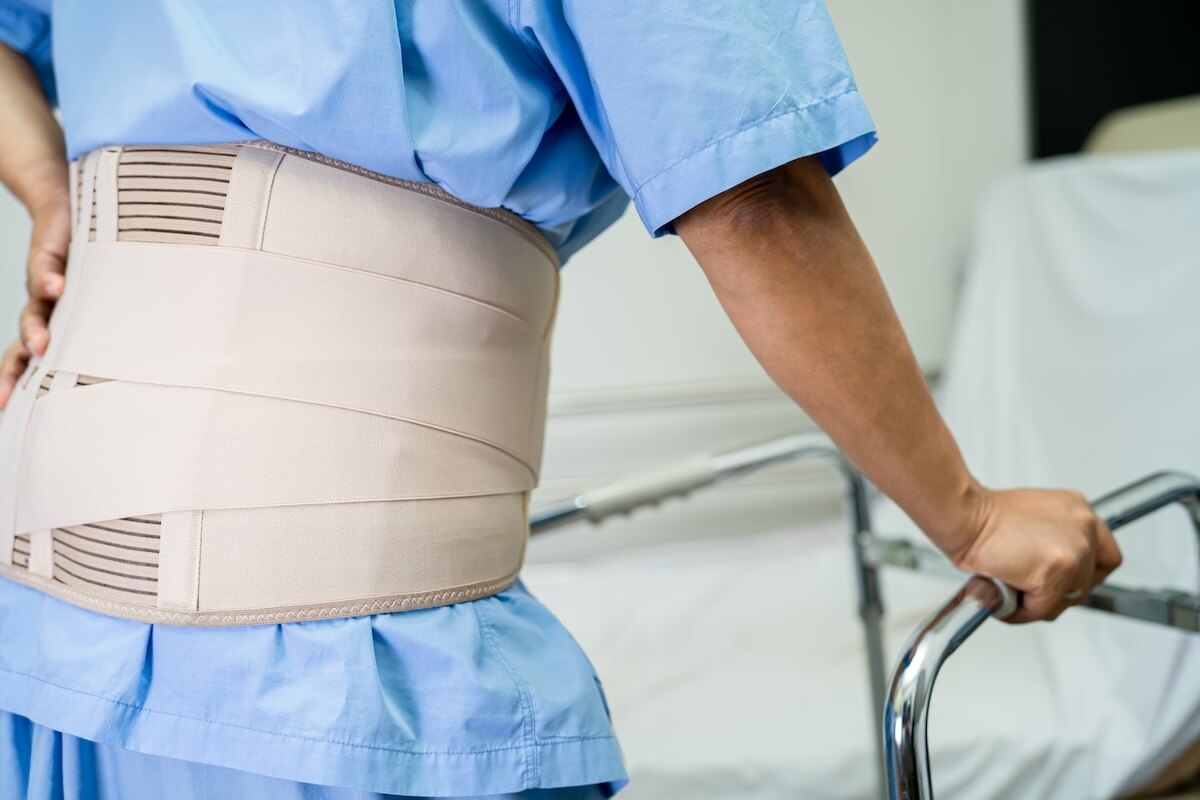
Spine surgery treats several conditions that affect the structure and function of the spine, including herniated discs, spinal stenosis, and degenerative disc disease. The procedure itself marks only one stage of treatment, and recovery depends on the care patients receive afterward. Patients who follow their postoperative instructions in the days and weeks after surgery may heal more smoothly. Here is more information on spine surgery, postoperative care, and the stages of healing:
Spine Surgery
Spine surgery covers several distinct procedures, including discectomy, spinal fusion, and laminectomy. Surgeons choose an approach based on the patient’s diagnosis, overall health, and symptom severity, and each approach addresses a different structural problem. Some procedures remove damaged tissue. Others stabilize the spine with hardware such as rods or screws, which hold the vertebrae in position while the bone heals.
Recovery timelines vary by procedure. A minimally invasive discectomy often allows a faster return to daily activities than a multi-level spinal fusion, because it disturbs less surrounding tissue. Patients should discuss their specific procedure with their surgical team, and the team can explain what recovery will look like.
Before discharge, hospital staff may review the following topics with patients:
- Wound care, including how to keep the incision site clean and dry
- Medication schedules, including dosage, timing, and duration
- Activity restrictions, including limits on lifting, bending, and driving
Patients should ask questions if any instruction is unclear, since these details guide early recovery.
Postoperative Care
Postoperative care begins the moment surgery ends, and it continues for weeks or months afterward. Pain management is a central component during this period. Surgeons may prescribe medication for the first several days, and they then transition patients to over-the-counter options as discomfort decreases.
Wound care plays a significant role in preventing infection. Patients should keep incision sites clean and dry, and they benefit from following their surgeon’s instructions for bathing and dressing changes. If a patient develops a fever, increased swelling, or drainage, the surgical team should be contacted promptly, since these symptoms may indicate an infection.
Mobility guidelines differ by procedure, but surgeons may encourage gentle movement soon after surgery. Walking short distances helps prevent blood clots. It also supports circulation. Patients should avoid bending, twisting, or lifting heavy objects until their surgeon clears them, because these movements can place strain on healing tissue.
Healing Stages
Spine surgery recovery progresses through distinct stages, each with its own focus and limitations. The first stage centers on rest, pain control, and basic mobility. Patients may experience swelling and discomfort, so activity remains limited to short walks and light daily tasks. Because the body needs time to begin healing, rest takes priority over exertion.
In the next stage, swelling begins to subside, and patients may notice gradual improvements in strength and comfort. A later stage focuses on rebuilding strength and returning to more demanding activities. Each patient’s timeline shifts based on age, overall health, and procedure complexity. While some individuals progress through these stages quickly, others need more time at each phase, and this variation is normal. Surgeons adjust activity guidelines based on each patient’s progress.
Facilitate Your Recovery
Postoperative care after spine surgery shapes how well and how quickly patients heal. From managing pain and protecting the incision site to following the surgical team’s guidelines, each step contributes to a stronger recovery; understanding the healing stages helps patients set realistic expectations. If you’re preparing for spine surgery or recovering, schedule a follow-up with your surgeon to review your care plan.
