


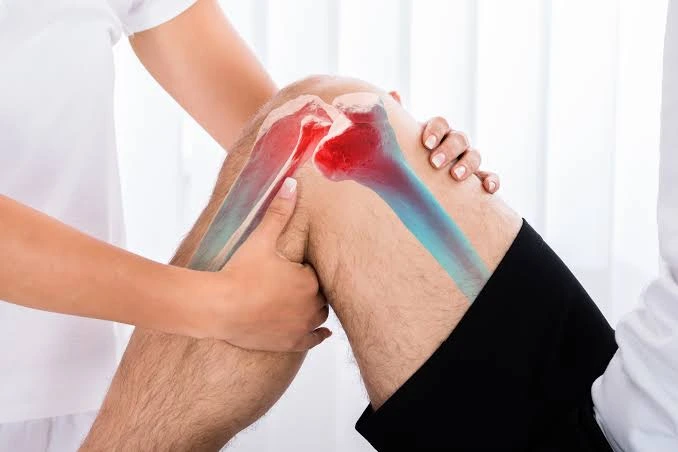
An ACL tear can have lasting effects on knee strength, stability, and mobility, even after treatment and rehabilitation. Some individuals may experience recurring discomfort, reduced athletic performance, or an increased risk of further knee injuries. Here is a closer look at the long-term effects of ACL injuries:
Assessing Chronic Knee Instability
After an ACL tear, some people notice that their knee feels loose or shifts during movement. This feeling, called instability, may show up when you turn, pivot, or walk on uneven ground. The knee relies on the ACL for control, and a torn ligament can leave that control weaker over time. Instability can affect daily tasks, and it also raises the risk of a second injury. A knee that gives way puts extra stress on nearby tissues, and repeated slips can wear those parts down.
Tracking Cartilage and Meniscus Damage
An ACL tear rarely affects the ligament alone; other parts of the knee often feel the strain. Cartilage and the meniscus help cushion your joint, so damage to either one can change how your knee works. Watching these areas over time is key.
Cartilage Wear
Cartilage is the smooth surface that lets bones glide inside the joint. After an ACL tear, uneven movement can wear this surface down, and thinning cartilage may lead to stiffness or discomfort. Regular check-ups help track any changes early.
Meniscus Concerns
The meniscus is a piece of cartilage that acts like a shock absorber between the bones. A tear may happen at the same time as the ACL injury, or it may develop later as the knee shifts under stress. Reporting new swelling or sensations to your provider is helpful, as early attention can guide your next steps.
Managing Post-traumatic Osteoarthritis Risk
Post-traumatic osteoarthritis is a form of joint wear that can follow a serious knee injury. An ACL tear changes how forces move through the joint, and this change may speed up cartilage breakdown over time. You cannot always prevent this wear, but certain habits lower the strain on your knee. Keeping a healthy weight reduces pressure on the joint, and regular movement keeps the surrounding muscles strong. Working with a professional lets you build a plan that fits your body, and regular follow-up helps you detect changes before they worsen.
Restoring Strength and Function
Rebuilding strength after an ACL tear takes time, and a consistent routine supports lasting function. The following approaches are commonly used to help the knee regain power and control:
- Guided physical therapy: A trained therapist recommends and guides exercises that target the muscles around your knee to help you move safely as you heal.
- Balance training: Drills that challenge your stability teach the knee to respond quickly, lowering the chance of another slip.
- Progressive strength work: Slowly adding resistance builds muscle without overloading the joint.
- Range-of-motion exercises: Gentle stretching keeps the joint flexible, and full movement helps you return to daily tasks.
- Consistent follow-up: Regular visits let a professional adjust your plan, keeping your progress on track.
Address Your ACL Tear Today
An ACL injury can affect your knee long after the first injury, and the effects include instability, cartilage wear, meniscus damage, and a higher risk of joint arthritis. Tracking these changes and following a consistent strength plan help you protect your knee over time. Contact a qualified orthopedic specialist in your area to schedule your appointment and address your ACL tear today.
