

Close Menu

    Subscribe to Updates

    Get the latest creative news from FooBar about art, design and business.

    What's Hot

    What To Discuss With Your Doctor About Knee Arthritis

    August 14, 2026

    The Value of Specialized Dermatologists in Treating Skin Conditions

    August 14, 2026

    The Ultimate Guide to Med Spa Services

    August 14, 2026
    Facebook X (Twitter) Instagram
    Facebook X (Twitter) Instagram
    zlumeword.com
    SUBSCRIBE
    • Home
    • Cardiology
    • Dermatology
    • Gynecology
    • Pain Management
    • Mentel Health
    • Lifestyle
    zlumeword.com
    Home ยป The Role of Genetic Screening in Obstetrics
    Gynecology

    The Role of Genetic Screening in Obstetrics

    Oliver JaneBy Oliver JaneJuly 24, 2026No Comments3 Mins Read
    Role of Genetic Screening in Obstetrics
    Share
    Facebook Twitter Reddit Telegram Pinterest Email

    Genetic testing is a common part of modern pregnancy care. Expecting parents may encounter it during routine obstetrics visits, where healthcare providers offer screenings that examine the health of a developing baby. These tests can provide information about the likelihood of certain inherited conditions, and this gives families more information about their pregnancy.

    What Is Obstetrics?

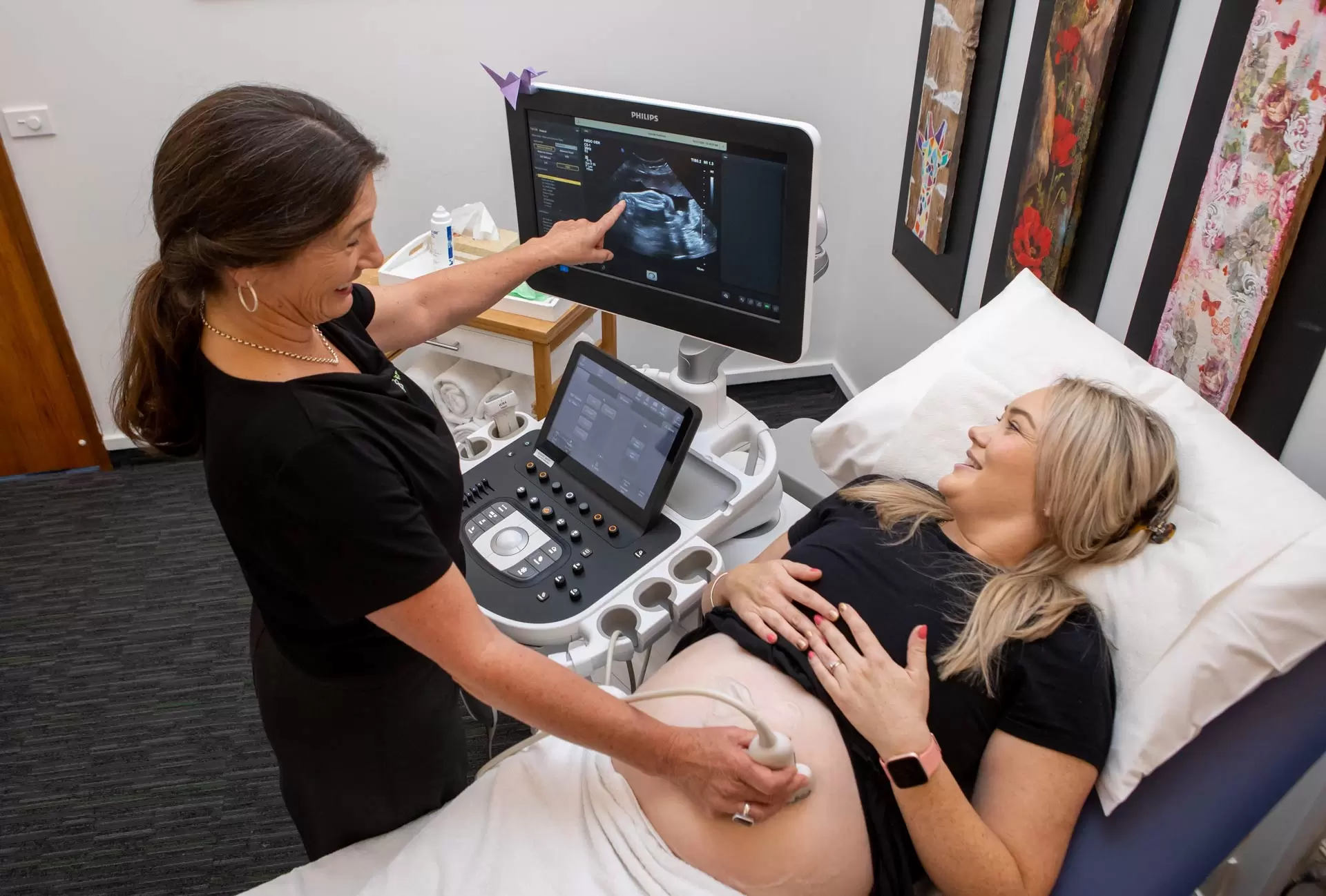
    Obstetrics is the branch of medicine focused on pregnancy, childbirth, and the period shortly after delivery. Physicians who specialize in this field are known as obstetricians. They monitor the health of both the pregnant patient and the developing baby; these specialists offer care from the earliest weeks of pregnancy through labor and recovery. Throughout pregnancy, an obstetrician oversees a range of services. These may include regular checkups, ultrasound imaging, blood work, and guidance on nutrition and lifestyle.

    Obstetricians can also manage possible complications, such as high blood pressure, gestational diabetes, or concerns related to fetal growth. Many obstetricians also practice alongside gynecology, and this forms a combined specialty often referred to as OB-GYN. This pairing allows a single provider to address reproductive health across different life stages. The goal of obstetric care is to support a healthy pregnancy and delivery. Regular visits allow providers to track progress, respond to changes, and share information that helps patients make decisions about their care.

    What Is Genetic Testing?

    Genetic testing examines a person’s genes to gather information about their health. Genes carry the instructions that shape how the body develops and functions. When variations occur in these instructions, they can be linked to certain health conditions. Genetic testing looks for these variations, and it aims to offer insight that may not be visible through standard physical examinations.

    There are several types of genetic testing. Screening tests estimate the chance that a condition may be present, and diagnostic tests aim to confirm whether a specific condition exists. Some tests analyze a blood sample, while others examine tissue or other biological material.

    People can pursue genetic testing for many reasons. Some may want to learn about inherited conditions that run in their family, and others use testing to guide medical decisions or to understand the likelihood of passing a condition to their children. The results are meant to inform, giving patients and providers data for future planning.

    What Role Does It Play?

    Genetic testing in obstetrics helps assess the health of a developing baby, and it may identify the chance of certain inherited conditions. This information can support families and providers as they plan for the pregnancy and the care that follows delivery. Screening tests estimate the probability that a baby will have a particular condition, such as a blood test that analyzes fragments of fetal genetic material circulating in the mother’s blood.

    When a screening suggests a higher likelihood of a condition, a provider may discuss diagnostic testing. These tests can confirm the presence of specific chromosomal or genetic conditions. Carrier screening is another form of genetic testing used in obstetrics. This test looks at whether one or both parents carry genes for certain inherited conditions. Couples may pursue carrier screening before pregnancy, and others complete it during early prenatal care. The results help families understand the chances of passing a condition to their child.

    Consult a Women’s Health Specialist

    Genetic testing is one part of a broad approach to prenatal care. A women’s health specialist may explain which tests apply to your situation, and they help to determine what a result reveals. To learn more about your options, reach out to a women’s health specialist who can support you throughout your pregnancy.

    Share. Facebook Twitter Pinterest LinkedIn Telegram Reddit Email
    Previous ArticleExploring the Long-term Effects of ACL Tear Injuries
    Next Article Exploring Advances in Pain Management Techniques
    Oliver Jane
    • Website

    Related Posts

    Recognizing Symptoms That Require You To See an Angiologist

    August 14, 2026

    The Importance of Patient Education in Mohs Surgery Outcomes

    August 14, 2026

    How Does Mohs Surgery Work

    August 10, 2026

    Common Exercises Suggested by Physical Therapists

    August 7, 2026

    How To Choose the Right Foot Doctor for Your Needs

    August 4, 2026

    What You Should Know About Women’s Health Services

    August 4, 2026
    Add A Comment
    Leave A Reply Cancel Reply

    Demo
    Stay In Touch
    • Facebook
    • Twitter
    • Pinterest
    • Instagram
    • YouTube
    • Vimeo
    Don't Miss

    What To Discuss With Your Doctor About Knee Arthritis

    By Oliver JaneAugust 14, 2026

    Knee arthritis wears down the cartilage that cushions your joint. Pain, stiffness, and swelling often…

    The Value of Specialized Dermatologists in Treating Skin Conditions

    August 14, 2026

    The Ultimate Guide to Med Spa Services

    August 14, 2026

    Recognizing Symptoms That Require You To See an Angiologist

    August 14, 2026

    Subscribe to Updates

    Get the latest creative news from SmartMag about art & design.

    About Us
    About Us

    ZlumeWords delivers informative, engaging, and trustworthy content on business, technology, health, finance, lifestyle, and trending topics worldwide.

    Email Us: hazeleva.co.uk@gmail.com
    Contact: +44 7395 617407

    Our Picks

    Recognizing Symptoms That Require You To See an Angiologist

    August 14, 2026

    The Importance of Patient Education in Mohs Surgery Outcomes

    August 14, 2026

    Why You Shouldn’t Ignore Skin Changes

    August 12, 2026
    New Comments
      Facebook X (Twitter) Instagram Pinterest
      • About Us
      • Get In Touch
      • Privacy Policy
      © 2026 zlumeword.com.

      Type above and press Enter to search. Press Esc to cancel.

      Powered by
      ►
      Necessary cookies enable essential site features like secure log-ins and consent preference adjustments. They do not store personal data.
      None
      ►
      Functional cookies support features like content sharing on social media, collecting feedback, and enabling third-party tools.
      None
      ►
      Analytical cookies track visitor interactions, providing insights on metrics like visitor count, bounce rate, and traffic sources.
      None
      ►
      Advertisement cookies deliver personalized ads based on your previous visits and analyze the effectiveness of ad campaigns.
      None
      ►
      Unclassified cookies are cookies that we are in the process of classifying, together with the providers of individual cookies.
      None
      Powered by

      WhatsApp us