


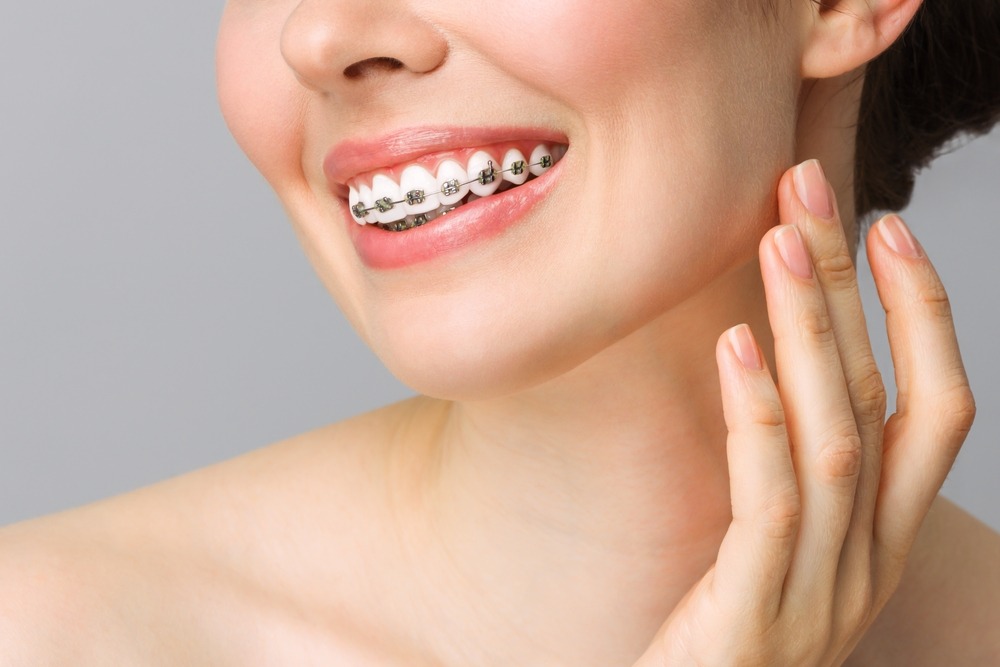
Straight teeth often get linked to a nicer smile, and that is only part of the story. Teeth straightening moves crowded or crooked teeth into better positions. When teeth line up well, daily care gets easier for you. This post walks through the health reasons behind the treatment.
Improved Dental Hygiene
Crowded teeth trap food in tight spaces, and your brush struggles to reach them. When gaps and overlaps shrink, plaque has fewer places to hide. Teeth straightening treatment gives your toothbrush and floss clearer paths.
You clean aligned teeth more thoroughly at home. Straighter teeth make flossing simpler, and stubborn spots become fewer. Since plaque builds up more slowly on smooth surfaces, your routine stays manageable.
A cleaner mouth supports the checkups you already schedule twice a year. Your dentist reaches every surface during a visit, and cleanings go faster. Since access improves, hygiene appointments feel less awkward for you.
Lowered Gum Disease Risk
Gum tissue responds to how well you clean around each tooth. When gums stay irritated, they may swell or bleed during brushing. Tight, overlapping teeth leave pockets where bacteria gather.
Straighter teeth let gums fit more snugly against them. You remove bacteria more easily, and inflammation has less room to start. When your gums sit in healthier positions, routine care becomes more effective.
Fewer Fractured Teeth
Some teeth take more pressure than they were built for. When that strain repeats daily, small cracks or chips may form. A misaligned bite spreads chewing force unevenly across your teeth.
Straightening spreads the load more evenly, and pressure points ease. Aligned teeth share the work of biting and chewing. Since forces distribute better, your enamel faces less concentrated stress. Uneven wear shows up in several ways. Watch for these signs of a strained bite:
- Flattened or worn edges on certain teeth
- Small chips near the biting surface
- Teeth that feel sensitive when you chew
Track these patterns and mention them at your next visit. Your dentist checks how your teeth meet, and a clear plan follows. As early signs guide treatment, you address problems sooner.
Reduced Jaw Pain
Your jaw joints work hard every time you eat or speak, and it is affected by alignment. A bad bite forces the muscles to compensate. When those muscles overwork, you may feel soreness or tightness.
Aligned teeth help your jaw close in a more natural position. Muscles relax more easily, and tension eases through the day. Since the joint moves with less strain, discomfort may lessen. Certain habits tend to worsen jaw strain. Keep an eye on these triggers:
- Clenching your teeth during stress
- Chewing hard foods on one side
- Grinding at night without a guard
Note any of these and share them with your dental team. Small adjustments support the work that straightening does. Since your bite and habits connect, both deserve attention.
Schedule Teeth Straightening Today
Teeth straightening reaches past looks and into daily oral health. When your teeth sit where they belong, your routine care works harder for you. Book a consultation to see what straightening looks like for your smile. Bring your questions, and the team will walk you through the process. Reach out online or by phone, and take the next step toward healthier teeth today.
