


Dermatology treatments are procedures and therapies that support the skin’s health, function, and appearance. They cover a range of concerns, from persistent medical conditions to cosmetic concerns. Many clinics offer medical and cosmetic options, so patients can address health-related issues and aesthetic preferences in one setting. A dermatology provider evaluates each person’s skin and recommends approaches based on individual needs, skin type, and treatment history. Here’s information on different dermatology treatments and their benefits:
Managing Skin Conditions
Dermatology clinics treat many skin conditions, from acne and eczema to skin cancer. For common conditions like acne, providers may suggest topical products, oral options, or in-office procedures depending on the severity and type of breakouts. Eczema management focuses on reducing irritation and supporting the skin barrier, and providers often combine daily skin care routines with prescribed treatments. Psoriasis often requires a longer-term approach, and clinics may use topical therapies, light-based options, or systemic treatments to manage flare-ups.
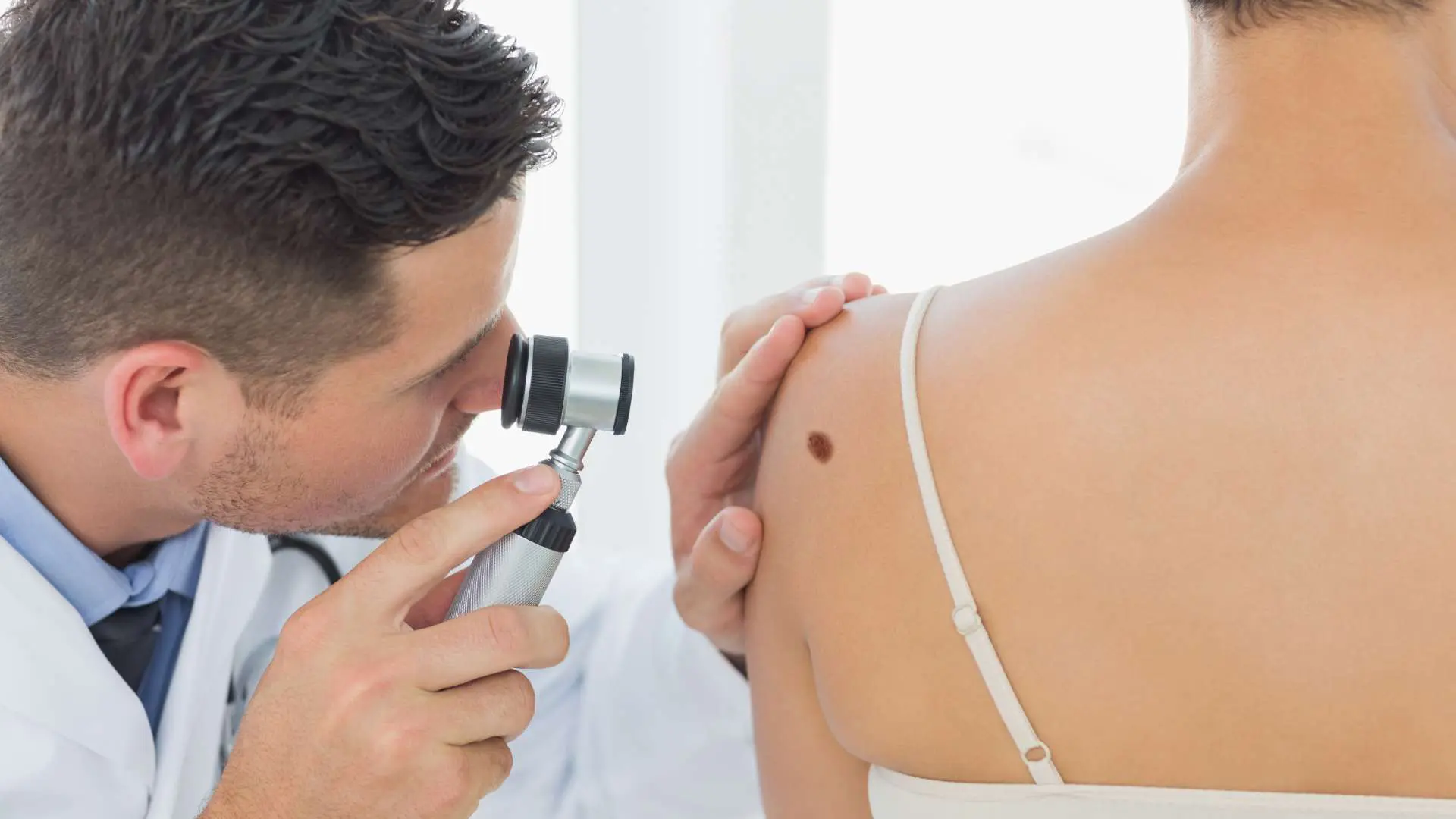
Because these conditions vary from person to person, a dermatologist reviews triggers, lifestyle factors, and past responses before creating a plan. Ongoing follow-up helps providers adjust treatments as the skin changes over time. Dermatologists also offer preventive screenings for skin conditions like cancer. During a skin exam, specialists can assess the skin and get a sample to test in a lab.
Improving Skin Texture
Skin texture concerns include uneven surfaces, scarring, enlarged pores, and signs of sun exposure. Dermatology clinics offer several procedures that refine the skin’s surface, but each option works differently. One popular cosmetic procedure is microneeding, which makes microinjuries in the skin to promote smoother texture. Microneedling with radiofrequency (RF) technology uses fine needles to create small channels in the skin while delivering RF energy to deeper layers. This combined approach targets the skin’s surface and underlying tissues, and treatments can be adjusted for more customization.
Intense Pulsed Light Treatments
Intense pulsed light (IPL) treatments use broad-spectrum light to target specific concerns on the skin’s surface. Dermatologists often recommend IPL for uneven skin tone and visible discoloration. The device delivers light in controlled pulses, and the number of sessions depends on the area treated and the individual’s response.
Chemical Peels
Chemical peels apply a solution to the skin to encourage exfoliation of the outer layers, improving overall skin tone and texture. Peels come in different strengths, ranging from mild to deep, and the provider selects the formulation based on the patient’s skin type. Recovery time varies with the peel depth.
Addressing Unwanted Hair Growth
Laser hair removal targets hair follicles with focused light to reduce hair growth in a treated area; common areas include the face, legs, underarms, and back. Before the session, the provider cleans the area and may trim the hair to the skin’s surface. During treatment, the device directs light energy to the pigment in each follicle, where it is absorbed as heat. The hair removal process usually requires multiple sessions spaced weeks apart, since hair grows in cycles and the laser works most effectively on follicles in an active growth phase. Providers adjust settings to match skin and hair characteristics, and they may use a cooling method to protect surrounding skin.
Schedule a Dermatology Consultation
To learn about your treatment options, contact a dermatology clinic near you. A consultation lets you discuss your concerns, ask questions, and review the medical and cosmetic options available at the facility. During this visit, a provider will examine your skin, review your history, and explain which approaches may suit your situation. Whether you want to manage a specific condition, improve skin texture, or reduce unwanted hair, a professional evaluation helps you know your options.
