


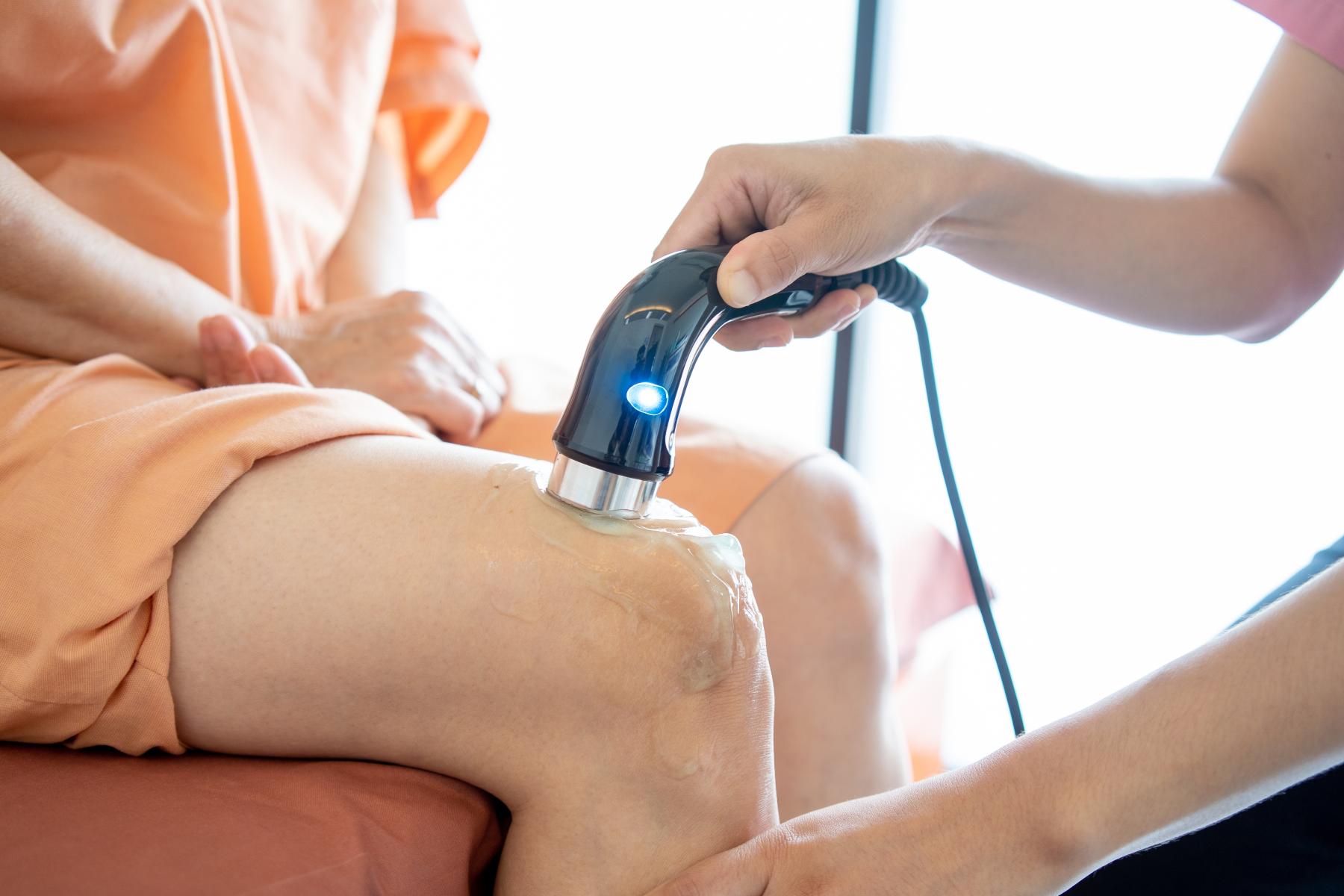
Chronic knee pain causes discomfort in or around the knee joint and lasts three months or longer. It differs from acute pain, which typically resolves as tissues heal. Chronic knee pain can develop gradually from conditions such as osteoarthritis, patellofemoral pain syndrome, tendinopathy, or bursitis. It may also follow an earlier injury that did not fully heal, such as a ligament sprain or meniscus tear. Because the causes vary, management often combines several approaches. Here’s information on effective physical therapy strategies for managing chronic knee pain:
Therapeutic and Functional Mobility Exercises
Before creating a personalized care plan for knee pain, a physical therapist assesses range of motion, strength, flexibility, joint stability, and movement patterns. The results of this evaluation determine the appropriate treatment plan based on the underlying condition and the patient’s daily activities. Therapeutic exercises target specific deficits. For osteoarthritis, a physical therapy program may focus on low-impact strengthening of the quadriceps, hamstrings, and hip muscles to reduce load on the joint surfaces. For patellofemoral pain, exercises often address hip and core strength, which can influence how the kneecap tracks during movement.
Functional mobility exercises connect movements to everyday tasks, so they may include sit-to-stand practice, step-ups, balance drills, and stair training. Strength exercises build capacity in individual muscles, while functional exercises train those muscles to work together during real-world movements. Therapists adjust intensity, repetitions, and complexity as the patient progresses.
Manual Therapy
Manual therapy is a hands-on approach where a physical therapist uses specific techniques to move or manipulate soft tissues and joints. Common techniques include joint mobilization, soft tissue mobilization, myofascial release, and therapeutic massage. Joint mobilization involves gentle, controlled movements applied to the knee or nearby joints to address stiffness and restricted motion. Massage targets the knee’s:
- Muscles
- Tendons
- Connective Tissues
Tightness in the quadriceps, hamstrings, calves, or iliotibial band can alter knee mechanics and contribute to pain. Massage helps reduce muscle tension, improve tissue flexibility, and increase local circulation. Manual therapy is rarely used on its own; it typically complements exercise. Reducing tension and stiffness before a session may allow someone to move through a greater range of motion during strengthening and mobility work.
Neuromuscular Reeducation
Neuromuscular reeducation aims to restore communication between the nervous system and the muscles that control the knee, enabling more cohesive movements. After an injury or prolonged pain, the body may develop protective movement patterns. These compensations can include favoring one leg, delayed muscle activation, or reduced awareness of joint position (proprioception).
A therapist may use verbal cues or tactile feedback to help the patient recognize and correct faulty patterns. Exercises in this phase focus on balance, coordination, and controlled movement, using exercises like single-leg stances and balance board work. Gait training then applies these skills to walking. Small deviations in walking mechanics can place uneven stress on the knee, so the therapist provides targeted cues and drills to address them.
For gait training, the therapist observes:
- Stride Length
- Foot Placement
- Knee Position
- Weight Distribution
Training may progress from slow, deliberate walking to varied surfaces, inclines, or speeds. Together, neuromuscular reeducation and gait training help the muscles around the knee respond with better timing and control, which supports joint stability during daily activity.
Target Your Knee Pain Today
Chronic knee pain often has multiple contributing factors, so a single strategy may not be enough to reduce it. A physical therapist can evaluate the specific causes of your pain and design a program that combines therapeutic exercise, functional mobility training, manual therapy, and neuromuscular reeducation. Each component addresses a different aspect of how the knee moves and bears load. A structured plan also provides a clear framework for tracking progress and adjusting activity levels over time. If knee pain limits your daily activities, schedule a consultation with a physical therapist to explore which approaches may fit your needs.
