

Close Menu

    Subscribe to Updates

    Get the latest creative news from FooBar about art, design and business.

    What's Hot

    Skin Rejuvenation Techniques for a Youthful Glow

    October 22, 2026

    Differences Between an Eye Doctor and an Ophthalmologist

    October 22, 2026

    The Role of Sports Medicine in Injury Prevention

    October 22, 2026
    Facebook X (Twitter) Instagram
    Facebook X (Twitter) Instagram
    zlumeword.com
    SUBSCRIBE
    • Home
    • Cardiology
    • Dermatology
    • Gynecology
    • Pain Management
    • Mentel Health
    • Lifestyle
    zlumeword.com
    Home»Pain Management»Techniques and Treatments That Can Help With Managing TMJ Pain
    Pain Management

    Techniques and Treatments That Can Help With Managing TMJ Pain

    Oliver JaneBy Oliver JaneOctober 16, 2026No Comments3 Mins Read
    Managing TMJ Pain
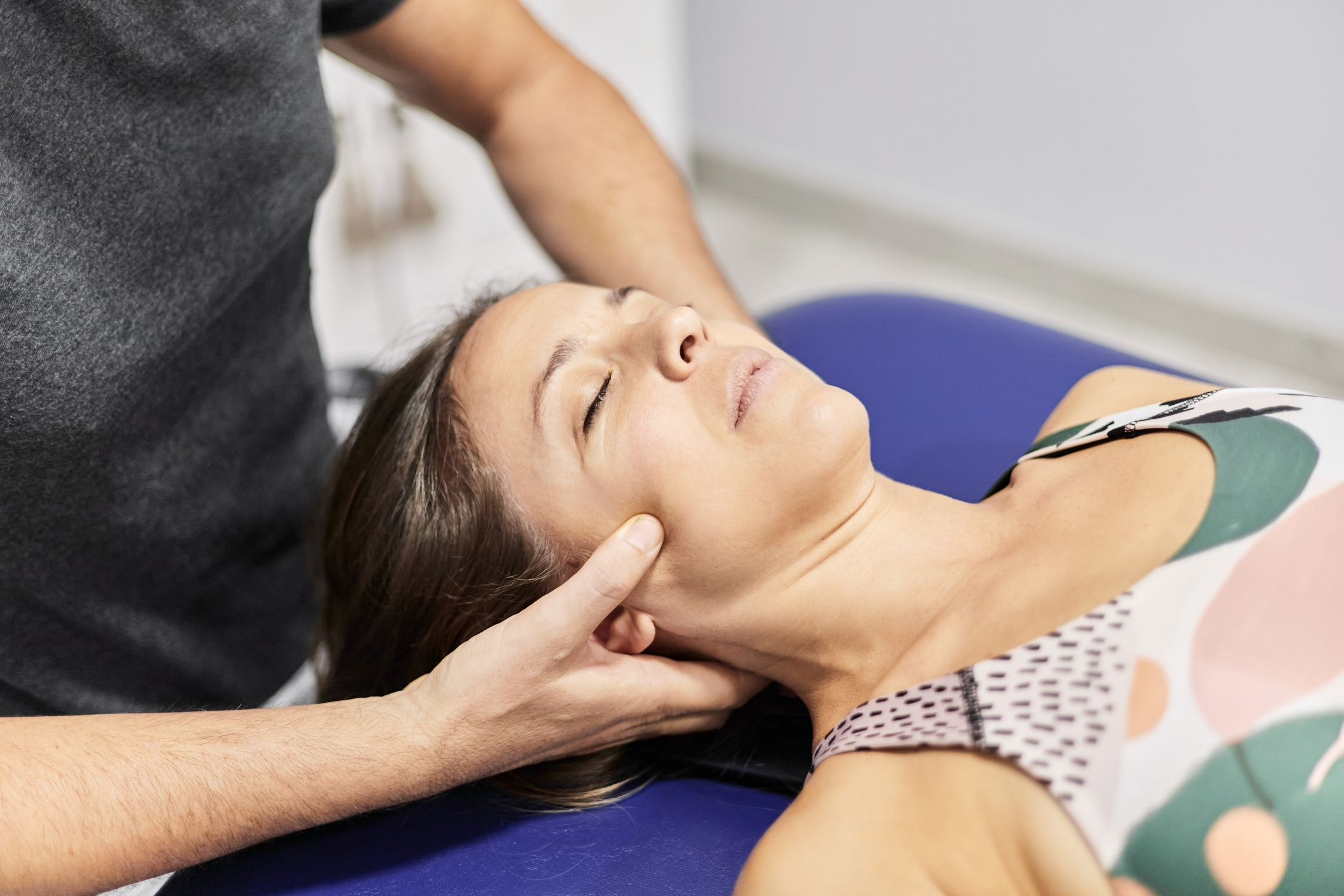
    Unrecognizable male osteopath pressing cheeks of female patient with closed eyes during physiotherapy procedure in clinic
    Share
    Facebook Twitter Reddit Telegram Pinterest Email

    The temporomandibular joints connect the lower jaw to the skull, and they allow the mouth to open, close, and shift from side to side. When the joints or the muscles that control jaw movement do not function as expected, discomfort or limited motion can result. Conditions of this type are grouped under the term temporomandibular joint disorders, which may be shortened to TMJ disorders or TMD. Understanding how the joint works, which signs to recognize, and what management approaches are available can help individuals make informed decisions about their care.

    What Are TMJ Disorders?

    Each person has two temporomandibular joints, one located just in front of each ear. TMJ disorders refer to a group of conditions affecting the joint, the surrounding muscles, or a combination of these structures. The exact cause is not always clear; possible contributing factors include jaw or head injuries, habitual teeth grinding or clenching, arthritis, and stress-related muscle tension. More than one factor may be involved.

    What Are the Symptoms?

    Symptoms vary from person to person, and they can come and go over time. Some individuals notice mild signs that resolve within weeks, while others may experience symptoms that persist for longer. Commonly reported symptoms include:

    • Pain or tenderness in the jaw, especially near the joint
    • Aching in or around the ear
    • Discomfort or difficulty while chewing
    • Sounds when opening or closing the mouth, such as clicking
    • Inability to open the mouth fully
    • Sensation of the jaw locking in an open or closed position
    • Headaches
    • Pain extending to the neck or shoulders

    Occasional jaw clicking without pain or restricted movement does not always indicate a disorder. Because these signs are also associated with other conditions, an evaluation by a healthcare provider can help identify the source.

    How Is It Managed?

    Management plans are typically tailored to the individual, and treatment may be dependent on the factors involved in a certain case. Providers can begin with conservative approaches before discussing more involved options, such as suggesting that a patient eat softer food. Applying moist heat or cold packs and performing gentle stretches recommended by a provider are other common measures. Other methods include:

    • Oral Appliances: A custom-fitted night guard may help limit the effects of nighttime grinding or clenching.
    • Physical Therapy: A physical therapist can guide patients through exercises intended to improve jaw mobility.
    • Targeted Medication: Over-the-counter pain relievers may be used for short-term relief, and muscle relaxants or other medications are prescribed in some cases.

    When conservative approaches do not provide adequate relief, a specialist can discuss surgery. Surgical procedures are generally reserved for specific structural problems.

    Confer With a Specialist

    An evaluation can include a review of symptoms and health history, an examination of jaw movement and muscle tenderness, and an assessment of joint sounds. Imaging, such as X-rays, may be used to view the bones in greater detail. Prompt attention is advisable if jaw pain persists, the jaw locks open or closed, or chewing and speaking become difficult; contact a specialist to learn more about evaluation and management options for TMJ disorders.

    Share. Facebook Twitter Pinterest LinkedIn Telegram Reddit Email
    Previous ArticleEffective Weight Loss Programs That Fit Your Lifestyle
    Next Article The Role of Dermatology in Preventive Skin Care
    Oliver Jane
    • Website

    Related Posts

    Understanding How Spinal Cord Stimulation Works

    October 20, 2026

    Effective Strategies for Managing Chronic Knee Pain

    October 20, 2026

    Understanding the Causes of Joint Pain

    October 19, 2026

    Exploring the Benefits of a Pain Center for Chronic Pain Relief

    September 22, 2026

    Exploring the Causes and Treatment Options for Hip Pain

    August 17, 2026

    What To Discuss With Your Doctor About Knee Arthritis

    August 14, 2026
    Add A Comment
    Leave A Reply Cancel Reply

    Demo
    Stay In Touch
    • Facebook
    • Twitter
    • Pinterest
    • Instagram
    • YouTube
    • Vimeo
    Don't Miss

    Skin Rejuvenation Techniques for a Youthful Glow

    By Oliver JaneOctober 22, 2026

    Skin rejuvenation encompasses treatments designed to address concerns such as uneven skin tone, rough texture,…

    Differences Between an Eye Doctor and an Ophthalmologist

    October 22, 2026

    The Role of Sports Medicine in Injury Prevention

    October 22, 2026

    A Comprehensive Guide to Living with Arthritis

    October 22, 2026

    Subscribe to Updates

    Get the latest creative news from SmartMag about art & design.

    About Us
    About Us

    ZlumeWords delivers informative, engaging, and trustworthy content on business, technology, health, finance, lifestyle, and trending topics worldwide.

    Email Us: hazeleva.co.uk@gmail.com
    Contact: +44 7395 617407

    Our Picks

    A Comprehensive Guide to Living with Arthritis

    October 22, 2026

    Questions To Ask a Dermatologist About Acne

    October 22, 2026

    How an Endometriosis Specialist Can Help With Symptom Relief

    October 22, 2026
    New Comments
      Facebook X (Twitter) Instagram Pinterest
      • About Us
      • Get In Touch
      • Privacy Policy
      © 2026 zlumeword.com.

      Type above and press Enter to search. Press Esc to cancel.