


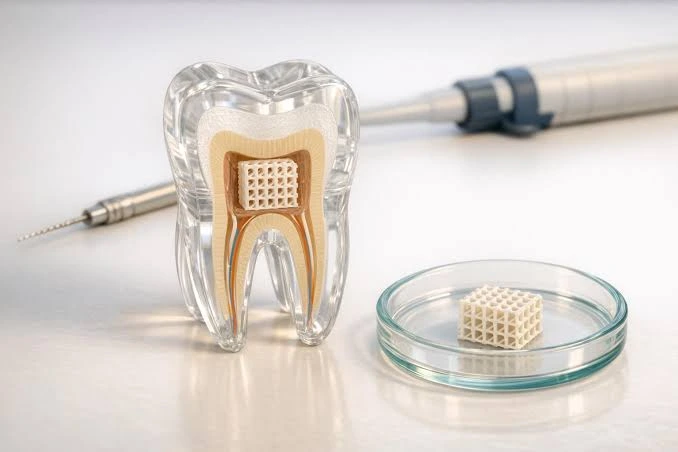
Endodontic implants, sometimes called endodontic stabilizers, are metal posts placed through the root canal of a tooth and into the surrounding bone to support a weakened tooth. Traditional dental implants replace a missing tooth entirely, but endodontic implants work to extend the life of natural teeth. Here is more information about endodontic implants and what they do:
Reviewing Conditions for Endodontic Implants
Endodontic implants are an option when a natural tooth has a short or compromised root, and the remaining structure lacks the stability needed for everyday function. A tooth with significant bone loss around the root may become loose over time. A stabilizing post can help anchor it more securely within the jaw. Trauma to the mouth can also play a role, since a fractured root or a tooth loosened by injury sometimes needs reinforcement. Some cases involve teeth that have undergone previous root canal therapy, and the added support of an endodontic post can address ongoing mobility in these situations.
Understanding the Implant Process
The process typically begins with a thorough examination, and imaging such as X-rays helps the provider assess the tooth, root, and surrounding bone. This evaluation guides the treatment plan and confirms whether the tooth is suitable for stabilization. Once the plan is finalized, the dentist performs the following steps:
- The provider performs root canal treatment to thoroughly clean the interior of the tooth.
- The canal is carefully prepared to receive the stabilizing post.
- A metal post is placed through the cleaned canal and extended into the bone below the root tip, providing the intended anchorage.
- The tooth is sealed and restored, allowing the treated structure to return to its normal appearance.
Follow-up visits allow the provider to monitor healing and check the stability of the tooth.
Identifying Good Candidates for Treatment
Candidacy depends on several factors. The condition of both the tooth and the surrounding bone heavily influences the decision. A provider generally looks for a tooth that still has healthy structure worth preserving. The purpose of the procedure is to keep a natural tooth in place; the tooth must be relatively healthy already.
Adequate bone in the jaw is another concern because the post needs sufficient support to remain stable. People who maintain good oral hygiene and attend regular dental visits may be better positioned for this treatment; their overall dental health influences the provider’s recommendation. A consultation will help you and your provider determine your candidacy for treatment.
Knowing Signs for Treatment
A loose tooth that shifts when you bite or chew can be one indication that more stabilization is worth discussing with a provider. Other signs that may warrant a professional evaluation include:
- Persistent discomfort around a specific tooth, particularly one that has already undergone root canal treatment
- Changes in how your teeth fit together when biting or chewing
- A tooth that feels less secure or stable than it once did
Learn More About Endodontic Implants
Endodontic implants offer a way to stabilize and preserve a natural tooth; the provider places a post through the root canal and into the surrounding bone. This type of implant can last for many years with proper care. If you want to learn more about the different types of dental implants, consult a dental provider near you.
