


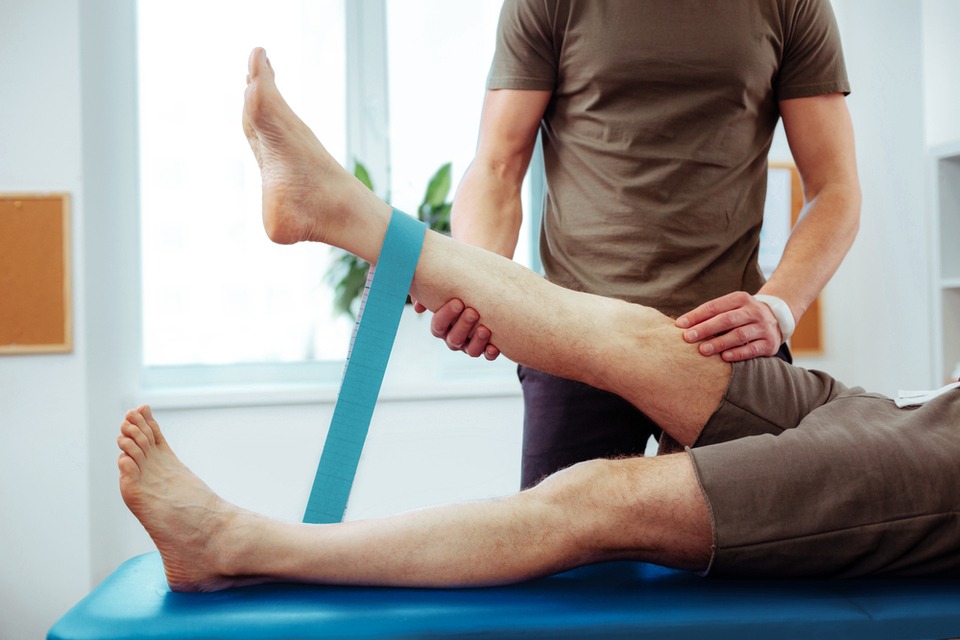
Physical therapy supports recovery by addressing changes in movement, physical function, and everyday activity. Rehabilitation identifies physical limitations, and treatment planning connects those limitations with specific recovery needs. Home-based therapy lets therapists observe movement patterns and daily habits within the environment where rehabilitation takes place. Here is how physical therapy helps recovery:
Restoring Mobility and Function
Therapy addresses mobility problems by adapting rehabilitation to each person’s physical needs and changes in function. Post-operative rehabilitation, neurorehabilitation, geriatric rehabilitation, and general debility each involve different mobility needs. Post-operative rehabilitation supports movement during recovery after surgery, while neurorehabilitation addresses functional changes linked to neurological injury. Geriatric rehabilitation addresses muscle deconditioning related to age or illness, while general debility creates another need for rehabilitation. Home-based therapy lets therapists observe how people move and perform daily activities during rehabilitation. These observations help therapists adjust treatment to each person’s daily needs.
Managing Pain and Inflammation
Physical therapy uses targeted techniques to reduce pain, muscle tension, inflammation, and swelling during rehabilitation. Each technique applies a different method to the affected area. Dry needling places thin, solid needles into muscle tissue to target myofascial trigger points. The technique supports pain relief, reduced muscle tension, lower inflammation, and improved range of motion.
Class 4 laser therapy uses three specific red and near-infrared light wavelengths for pain and sports injuries, including arthritis. These treatments are non-invasive, painless, and quick. Cupping creates negative pressure through specialized suction cups applied to targeted areas.
Cupping supports blood flow, soft-tissue healing, muscle relaxation, myofascial release, and range of motion. G5 lymphatic massage stimulates fluid drainage and reduces swelling, including post-surgical swelling and lymphedema. KT taping supports muscle function, circulation, joints, pain reduction, inflammation control, and injury recovery.
Rebuilding Strength Through Exercise
Guided exercises target physical limitations identified during rehabilitation, while daily habits receive attention when they contribute to physical problems. This approach connects supervised exercise with the movements and routines performed between therapy sessions. Sports performance and rehab help athletes and active individuals recover from injury, improve movement quality, and build strength.
Rehabilitation also supports performance goals and a return to physical activity after injury. Specialized athletic training and sports rehab support activity-specific recovery needs through structured physical work. Aquatherapy uses water-based recovery when traditional therapy methods cause discomfort. Aqua-Stretch focuses on flexibility, while private yoga combines physical postures, breathing control, and meditation within individualized sessions.
Personalizing the Path to Recovery
Treatment plans follow individual needs, with therapists adjusting care according to each person’s condition and recovery requirements. Private sessions allow patients and therapists to develop treatment plans together, including the timing and approach used during care. A mobile model brings therapy into homes, offices, gyms, beaches, and community pools. Recovery time varies by patient and condition, so therapists reevaluate prescribed visits as circumstances change. Individualized care also extends across occupational therapy and speech therapy, with each discipline addressing different rehabilitation needs.
Start Physical Therapy
Physical therapy supports recovery by improving mobility, physical function, strength, and activity through individualized rehabilitation. Guided exercises build physical capacity, while specialized techniques target specific recovery needs. Therapists adjust treatment plans as recovery needs change, and different rehabilitation services address distinct functional goals. Contact a therapy provider to discuss your recovery needs and suitable rehabilitation options.
