


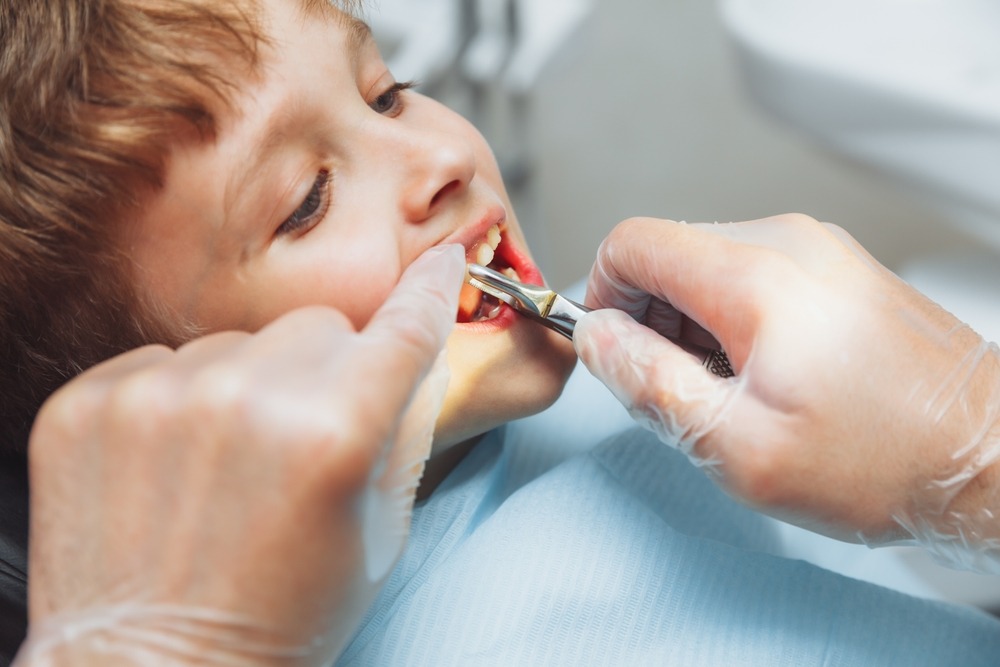
Traumatic injuries in oral health are any damage to the teeth, gums, or surrounding tissues caused by a sudden force or impact. These injuries can happen during sports, falls, car accidents, or biting into hard objects, and they range from small chips to teeth that are completely knocked out. While professional treatment is often needed, there are practical steps you can take at home while you await care. Here is more information about how to care for yourself after a traumatic injury:
Caring for Dislodged Teeth
A dislodged tooth is one that has been pushed sideways, out of, or deeper into its socket. If a tooth has shifted, avoid touching the root and try to keep the area still until you reach a dentist. Managing discomfort and swelling after a dislodged tooth is a part of your initial care. Here are some steps to follow while you wait for treatment for these types of traumatic injuries:
- Gently rinse your mouth with lukewarm water to clear away debris
- Apply a cold compress to the outside of the cheek to help reduce swelling
- Use over-the-counter pain relief only as directed on the packaging
- Avoid chewing on the side of the mouth where the tooth is dislodged, as it may feel loose or tender
- Keep your head elevated to help limit swelling while you wait for care
Preserving an Avulsed Tooth
An avulsed tooth has been completely knocked out of its socket. Pick the tooth up by the crown, which is the chewing surface, and avoid handling the root. If the tooth is dirty, rinse it gently with water without scrubbing it.
Time and storage make a difference with avulsed teeth. If possible, place the tooth back into its socket and hold it in position while you seek care. You can instead keep the tooth moist by placing it in a clean container of milk or between your gums and cheek; see a dentist as soon as you can, ideally within 30 minutes to an hour. Providers generally discourage storing the tooth dry because it can affect the tissue.
Exploring Apexogenesis
Apexogenesis is a procedure that helps a young tooth with a still-developing root continue to grow after an injury. It is often relevant for children and teenagers whose permanent teeth have not fully matured. A dentist performs this treatment, so your role at home is to keep the area clean and stable until the appointment. While you wait for your appointment, here are some beneficial actions to take:
- Avoid putting pressure on the affected tooth
- Stick to soft foods to prevent further damage
- Rinse gently with water if there is debris, but avoid harsh mouthwashes on the injured area
Undergoing Apexification
Apexification is a procedure used when the root of a young tooth has stopped developing after damage or infection; the pulp tissue is typically dead in these cases. The goal is to encourage the root tip to close so the tooth can be stabilized. This treatment is carried out by a dental professional, and your at-home focus is on protecting the tooth beforehand. Keep the injured tooth clean and avoid biting down on it while you arrange care. A cold compress helps with swelling, and soft foods can reduce pressure on the area.
Get Help With Traumatic Injuries
After a dental injury, there are several signs to promptly call your dentist. These include persistent or worsening pain that does not ease with over-the-counter relief and ongoing bleeding from the gums or socket that will not stop; swelling around the mouth, jaw, or face is also a sign to call a provider. If you want to learn more about healing dental injuries, consult a dental provider near you.
