


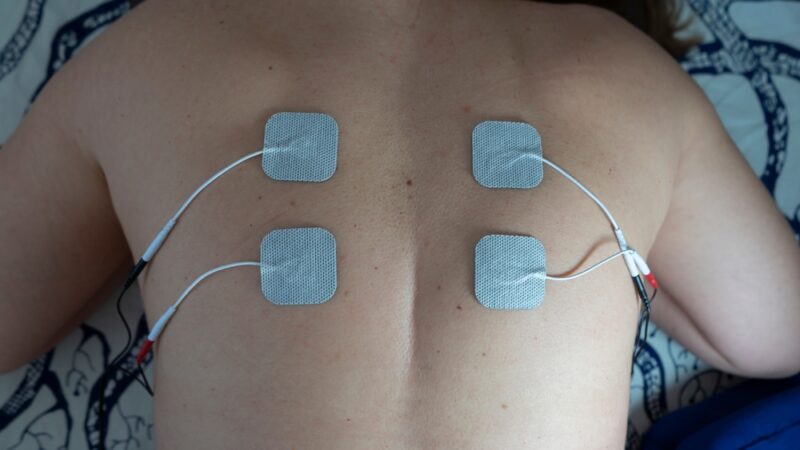
Chronic pain often interferes with mobility, sleep, and everyday activities when treatments provide limited relief. Spinal cord stimulation uses a small implanted device to send mild electrical signals to the spinal cord, modifying pain signals before they reach the brain. Here is a closer look at how a spinal cord stimulator works:
Placing the Stimulation System
The spinal cord stimulation system has two main parts, and a doctor places both during a short procedure. One part is a small generator that holds a battery, while the other is a set of thin wires called leads. The generator rests under the skin, usually near your lower back or buttock, and the leads sit close to your spinal cord.
Doctors position the leads carefully, using imaging tools to guide each step. The wires must reach the exact area associated with your pain, so precise placement is key. Once everything is in place, the generator connects to the leads and stands ready to send signals. Here is what each part of a typical system does:
- Generator: This battery-powered unit creates the electrical signals and controls their strength.
- Leads: These thin wires deliver the signals from the generator to the target nerves.
- Remote control: This handheld tool lets you adjust settings, turn the device on or off, and manage your relief.
Interrupting Pain Signals
Pain signals travel along nerves from your back to your brain, and your brain interprets them as discomfort. Spinal cord stimulation aims to step into that process before the message fully arrives. The device sends mild pulses that cover, mask, or change the pain signals moving through your spinal cord. Some people feel a light tingling instead of their usual pain, while others notice a gentle, buzz-like sensation. Newer systems often work without any noticeable feeling, so your experience depends on the settings your care team chooses.
Customizing Electrical Impulses
Your care team adjusts the electrical impulses of the spinal cord stimulator to fit your needs. They can change the strength, the timing, and the pattern of each pulse, and these settings influence how the therapy works. Here are several settings that can be adjusted to match your comfort and goals:
- Intensity: This controls how strong each pulse feels, and lower or higher levels suit different people.
- Frequency: This sets how often the pulses fire, which affects the sensation you experience.
- Pulse pattern: This influences the rhythm of the signals, and it can be changed as your needs evolve.
Your doctor may test a few combinations before finding one that works well. You can also fine-tune some settings at home with your remote, so relief stays within reach during daily activities.
Testing and Adjusting Relief
People can try spinal cord stimulation with a trial period before committing to a permanent device. During the trial, a doctor places temporary leads, and you use the system for several days to see how it feels. You will track your comfort, your movement, and your daily habits throughout the trial.
If the results look promising, your doctor recommends a permanent system, and they will schedule a follow-up procedure. Should the trial fall short, you can stop without a lasting device in place. Even after a permanent device is set, adjustments continue over time. Your body, your activity, and your pain can change, so regular check-ins keep the settings on track.
Explore Spinal Cord Stimulation Today
A spinal cord stimulator is a small device placed under your skin that interrupts pain signals along your spinal cord and delivers impulses tuned to your body. A trial period lets you test the method first, and ongoing adjustments keep it working as your needs change. Contact a qualified pain specialist near you to schedule your appointment and explore spinal cord stimulation today.
