


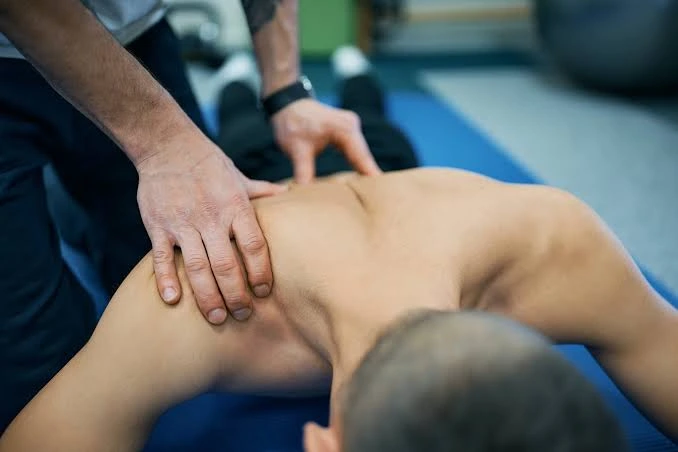
Scheduling a massage with a professional therapist helps relax your muscles, and it can relieve tension in your body. You have the flexibility to choose from various treatments, including deep tissue or Swedish massage, depending on your individual needs. Selecting the right option allows you to receive a treatment that matches your physical condition and wellness goals. Here are some tips to help you choose the right massage for your needs:
Identify Your Wellness Goals
Different massage techniques are designed to support specific wellness objectives. Identifying your treatment goals helps your therapist recommend a service that matches your current physical condition, whether your shoulders are tense or you need relaxation assistance. The reason you schedule an appointment can also influence the pressure, techniques, and focus used during the session.
If your muscles feel tight after daily activities, a treatment that targets muscle tension may be a suitable option. Recovery needs often vary after exercise, repetitive work, or long periods of sitting. Improving flexibility may also play a role when selecting a treatment that encourages easier movement.
Before beginning a massage, the therapist reviews your wellness objectives, which helps them recommend a treatment plan tailored to your needs. Mental wellness, muscle recovery, and mobility improvement all influence the type of session you receive. This discussion helps match your treatment with your body’s current needs or sore spots.
Compare Massage Types
Each treatment uses different techniques, pressure levels, and body movements to address your specific wellness goals. Learning how these services differ helps you select a treatment that fits your physical condition. Some sessions focus on relaxation, while others target deeper muscle layers or movement restrictions. Your therapist can explain how each technique supports different treatment objectives; options include:
- Swedish massage: Your therapist uses gentle pressure and flowing movements to promote relaxation.
- Deep tissue massage: The specialist applies firm pressure to address deeper muscle tension.
- Sports massage: This technique focuses on the muscles affected by physical activity and repetitive movement.
- Ashiatsu massage: The therapist uses overhead support bars to maintain balance and control while applying pressure with their feet.
- Thai stretch massage: This technique combines assisted stretching with body positioning to improve flexibility and mobility.
Discuss Your Health History
Sharing your health history helps your therapist tailor the session to your current physical condition. Previous injuries may influence which techniques and pressure levels are suitable during treatment; muscle discomfort also helps identify areas requiring additional attention. This information supports treatment planning that reflects your individual needs.
Explore Additional Wellness Therapies
Additional wellness therapies help complement your treatment; some support muscle recovery and overall body care. Your therapist may recommend services based on your treatment goals and physical condition. Gua sha therapy uses smooth tools to work across targeted muscle areas, relieving deep muscle tension. Reflexology focuses on pressure points located in your feet to support relaxation.
Moroccan body scrubs remove dead skin while leaving your skin feeling refreshed after treatment. Fire and ice therapy combines heat and cold exposure to complement muscle recovery; this option is sometimes available for up to two guests at a time. After your therapist reviews your goals, cupping therapy may be included to address targeted areas of muscle tightness. These wellness therapies allow you to personalize your visit according to your needs.
Review Your Massage Preferences
Reviewing your preferences ahead of time allows your therapist to customize your session based on your needs. This discussion may cover various topics, including:
- Physical concerns
- Pressure level preferences
- Target areas
- Duration preferences
- Treatment expectations
Session customization allows your therapist to adjust techniques as your treatment progresses, such as if you prefer deep pressure at the beginning and gentler pressure toward the end. Massage sessions may also be available in different appointment lengths to accommodate a variety of preferences and treatment goals. Because goals sometimes change as the body responds to treatment, your therapist reviews these shifts before suggesting additional sessions or adjustments.
Learn More About Professional Massages
Massage types range from Swedish to sports techniques, and selecting the right option begins with understanding your wellness goals and current physical condition. Comparing treatment options, discussing your health history, and reviewing your preferences all support a more personalized experience. Contact a professional massage therapist today to find a treatment that matches your wellness goals.
