


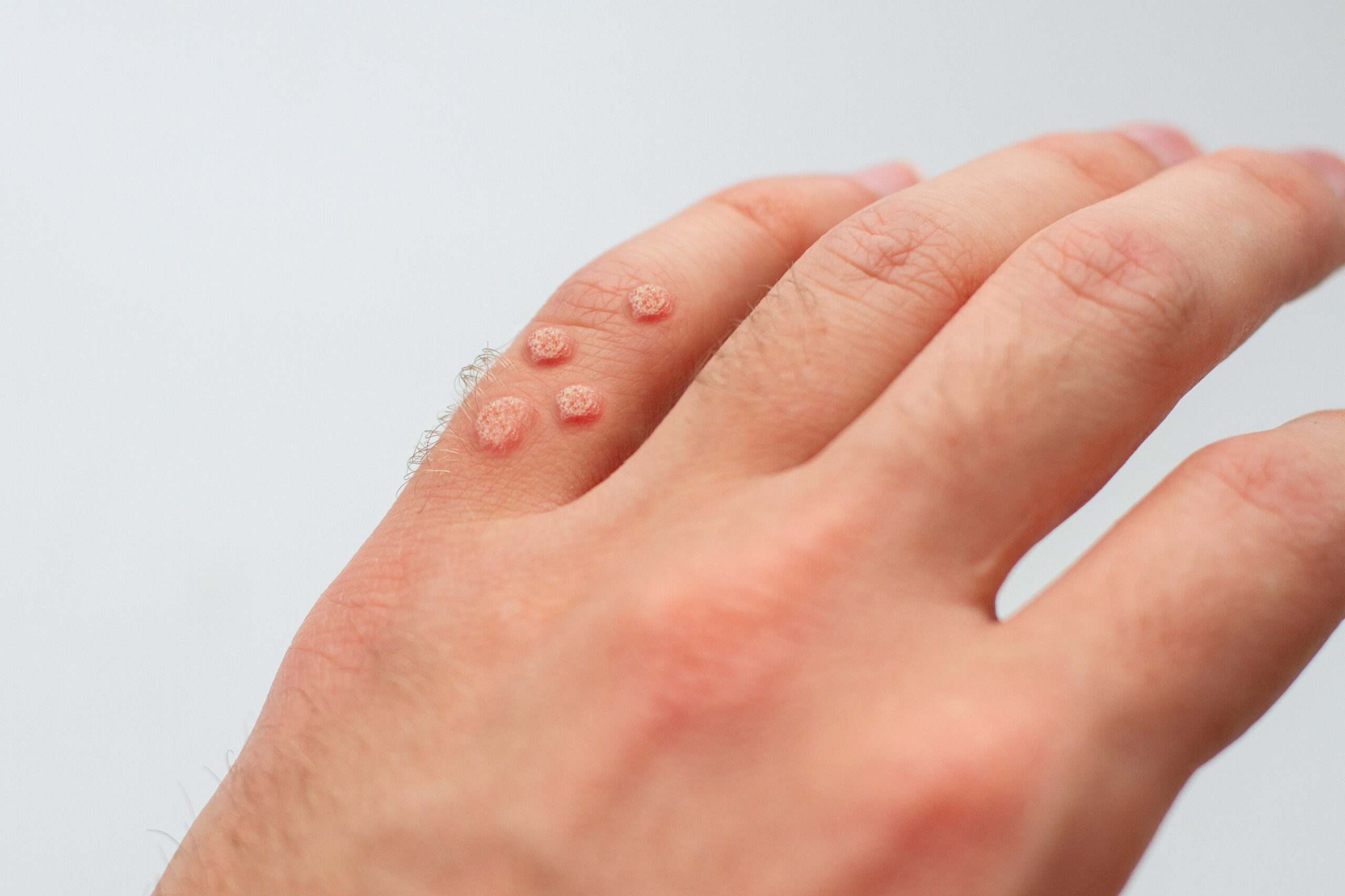
Warts are treated through several methods, including topical medications, cryotherapy, and laser therapy. Dermatologists choose a treatment based on the wart’s size, location, and resistance to prior treatment, and procedures may require one or more sessions. After the procedure is concluded, patients recover at home for a short healing period, which varies by method. Here is more information on wart removal:
How Are Warts Treated?
Dermatologists treat warts using three primary methods: topical medications, laser therapy, and cryotherapy. Each method targets the infected skin cells differently, so a provider recommends one based on the wart’s size, depth, and location on the body. Because no single option suits every patient, the choice depends on medical history and personal factors. The dermatologist may adjust the wart removal plan if the wart does not respond.
Topical medications work by gradually peeling away layers of infected skin. Patients may apply the treatment at home over several weeks, and it is an effective first option for smaller or less stubborn warts. Visible results take time to develop, and consistent daily application is necessary because skipped doses can slow progress.
Cryotherapy freezes the wart tissue using liquid nitrogen; the treated skin blisters and eventually falls off. A dermatologist applies the nitrogen directly to the wart during an in-office visit. Patients may need multiple sessions spaced a few weeks apart. Laser therapy targets the blood vessels that feed the wart, and it cuts off the blood supply until the tissue dies. This option works for warts that have resisted other treatments.
What Does Wart Removal Involve?
Wart removal procedures vary by method. A dermatologist first examines the wart to confirm the diagnosis and rule out other skin conditions. They then select a treatment that suits the wart’s characteristics, and the patient may receive an explanation of what to expect. Because several options exist, the choice depends on the wart’s size, location, and response to prior treatments.
Cryotherapy sessions may last only a few minutes. The dermatologist applies liquid nitrogen directly to the wart, and the patient feels a brief stinging sensation as the tissue freezes. Laser treatments may take longer. Topical treatments involve no office procedure; patients receive instructions for applying the medication at home. They return for follow-up visits so the dermatologist can monitor progress.
What Happens After Treatment?
Recovery depends on the treatment method used. After cryotherapy, the treated area typically blisters within a couple of days, and scabbing and peeling follow. Mild redness and tenderness are common while the skin heals. Laser treatment may produce a similar healing pattern.
Patients using topical medications should expect a gradual response; the skin softens over several weeks of consistent application. The wart slowly diminishes in size. Keeping the area clean and avoiding picking at healing skin supports proper recovery, whether the patient uses cryotherapy, laser treatment, or topical medication.
Dermatologists may schedule follow-up appointments to check healing progress. A follow-up typically includes:
- Examination of the treated site for signs of complete wart removal
- Assessment of skin healing, including any lingering redness or scarring
- Identification of new growths or early signs of recurrence
- Recommendations for additional treatment or a change in approach
Visit a Dermatologist Today
Warts respond to a range of treatments, from topical medications to cryotherapy and laser therapy. The right approach depends on the wart’s size, location, and how it has responded to prior removal attempts. A dermatologist can assess these factors, and they will recommend a treatment plan suited to the individual patient. If a wart persists, spreads, or causes discomfort, schedule a consultation with a dermatologist.
