


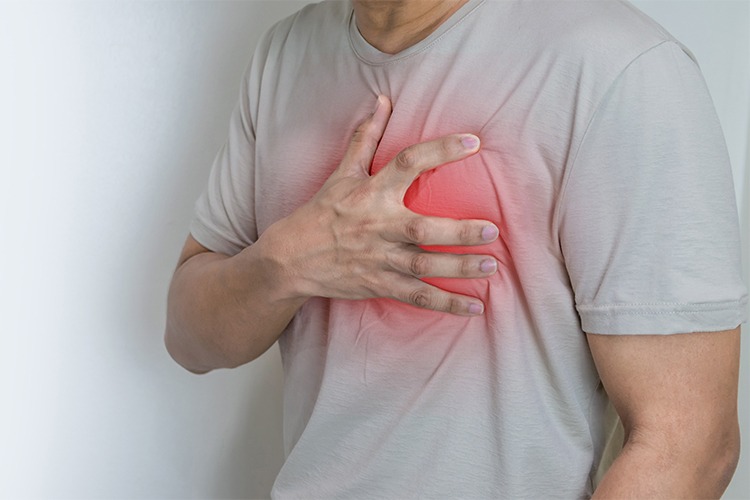
Chest pain has many causes, and the sensation differs from person to person. Some pain signals an emergency, while other discomfort points to less urgent problems. Learning the differences helps you act quickly. Knowing when to seek care can protect your health.
Recognize Pressure-Type Chest Pain
Pressure feels like a heavy weight sitting on your chest. Symptoms vary, so watch closely. Some people also notice sweating, nausea, or shortness of breath alongside the pressure. These signs together warrant immediate attention. If the chest pain does not ease when you rest or change position, call 911 right away. Do not wait to see if it improves on its own. Doctors use an EKG to check your heart’s electrical activity during these events. Results help guide the next steps in your care. An echocardiogram may also be ordered to assess how well your heart is pumping after the event. Quick action matters, and prompt care can limit lasting damage.
Spot Irregular Heartbeat Patterns
Fluttering feels like your heart is racing, skipping, or pounding without warning. This pattern often points to an arrhythmia, which means your heartbeat has an irregular rhythm. Atrial fibrillation causes the upper chambers of your heart to beat irregularly. Some people describe the feeling as a quiver rather than a strong beat. Episodes may pass quickly, but that does not mean they are harmless. Keep a record of when they occur and how long they last. Note any triggers, because this information helps your doctor identify patterns. To track your symptoms effectively, note the following each time an episode occurs:
- Duration: How long the fluttering lasts, seconds or minutes
- Timing: Whether it happens at rest or during activity
- Accompanying symptoms: Dizziness, shortness of breath, or a quivering sensation
- Triggers: Caffeine, stress, poor sleep, or physical exertion
Identify Squeezing Chest Tightness
Tightness feels like a band squeezing across your chest during effort or stress. This discomfort will fade with rest, but it can return whenever you exert yourself. Some people notice it while climbing stairs, walking briskly, or dealing with emotional stress. The pattern tends to repeat under similar conditions. Antacids, deep breathing, and position changes will not relieve heart-related tightness. These responses can help you tell it apart from other causes, since other conditions sometimes have similar symptoms.
Intermittent pain that feels severe still deserves attention, so schedule an appointment even when it passes. Managing these conditions reduces strain on your heart. Your doctor will help you build a plan. Your doctor may recommend stress testing to see how your heart handles physical demand. An echocardiogram gives a clear view of your heart’s structure, and an EKG records its activity. These tests work together, so your care team can pinpoint the cause and plan next steps.
Treat Your Chest Pain Today
Always err on the side of caution when you notice chest pain. Call 911 for pressure that lasts, and treat sudden severe symptoms as an emergency. For intermittent discomfort that still concerns you, book an appointment. Your team can run an EKG, order an echocardiogram, or arrange stress testing to find answers. Reach out today.
