


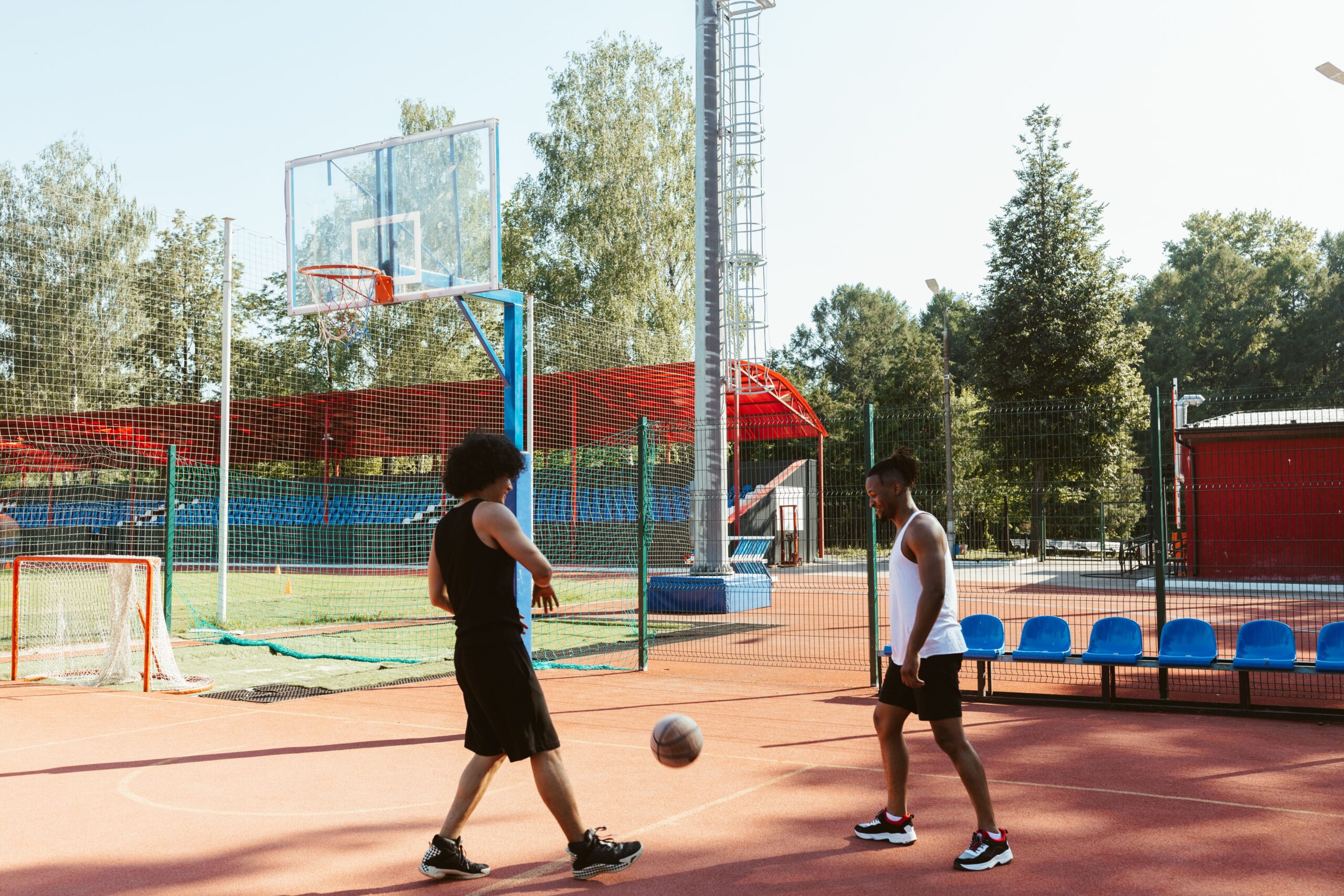
There was a time when “sports” meant organized teams, structured leagues, and a fairly narrow definition of physical activity. That definition has expanded dramatically over the past couple of decades. Today, sport lifestyle and recreation covers a much broader landscape, encompassing everything from community fitness programs and outdoor adventure activities to wellness tourism and the booming athleisure industry. Understanding this shift helps explain why the field has grown into such a significant area of study, career opportunity, and everyday cultural relevance.
What This Field Actually Encompasses
At its core, sport lifestyle and recreation sits at the intersection of physical activity, leisure, and personal wellbeing. It’s less about competitive athletics in the traditional sense and more about how movement, play, and recreation fit into everyday life. This includes organized recreational sports leagues, outdoor recreation like hiking and cycling, fitness culture, wellness retreats, and even the broader lifestyle branding that surrounds athletic apparel and equipment.
This broader scope matters because it reflects how people actually engage with physical activity today. Many people aren’t training for competition; they’re looking for ways to stay active, connect socially, manage stress, and build routines that feel sustainable rather than punishing. Sport lifestyle and recreation as a field takes that reality seriously, focusing on accessibility and enjoyment rather than exclusively on elite performance.
The Rise of Recreational and Community-Based Activity
One of the biggest drivers behind this field’s growth has been a cultural shift toward accessible, community-oriented physical activity. Recreational sports leagues for adults, once a relatively niche offering, have expanded significantly in cities and towns across the country, giving people a low-pressure way to stay active while building social connections outside of competitive or gym-based settings.
Parks and recreation departments have played a major role here too, expanding programming well beyond traditional sports leagues to include fitness classes, outdoor adventure programs, and community wellness events. This expansion reflects growing recognition that recreation serves purposes beyond physical health alone, contributing meaningfully to community building, mental wellbeing, and overall quality of life in a given area.
Outdoor Recreation as a Major Growth Area
Outdoor recreation has become one of the most significant subsections within sport lifestyle and recreation, driven by increased interest in hiking, camping, cycling, and other nature-based activities. This trend accelerated notably in recent years as more people sought outdoor, low-density activities that combined physical movement with time away from screens and crowded indoor spaces.
This growth has created real economic impact as well, supporting everything from outdoor gear manufacturers to guided tour operators, national and state park systems, and small businesses built around outdoor recreation tourism. Communities located near natural attractions, from mountain trail systems to coastal areas, have increasingly leaned into this kind of tourism as a meaningful part of local economic development.
Fitness Culture and the Athleisure Industry
Fitness has evolved from something largely confined to gyms into a broader cultural identity, and that shift has reshaped the retail and lifestyle industries connected to sport lifestyle and recreation. Athleisure, clothing designed for both athletic performance and everyday wear, has become one of the fastest-growing segments of the apparel industry, reflecting how deeply fitness culture has woven itself into everyday fashion and identity.
Boutique fitness studios, home workout platforms, and wearable fitness technology have also expanded this landscape significantly, giving people far more ways to engage with physical activity than the traditional gym membership model once offered. This diversification means people can now build a fitness routine that genuinely matches their preferences and lifestyle, whether that means a high-intensity studio class, a solo trail run, or a guided app-based workout at home.
Career Paths Within This Field
For students and professionals interested in this space, sport lifestyle and recreation offers a genuinely wide range of career paths. Recreation management roles within parks departments, community centers, and municipal government focus on designing and running accessible programming for local populations. Event management within this field often involves organizing recreational sports leagues, fitness competitions, or community wellness events.
The commercial side of the field includes roles in outdoor recreation tourism, fitness industry marketing, athletic apparel brand management, and wellness tourism development. Nonprofit and public health organizations also increasingly hire professionals with backgrounds in this area, recognizing that accessible recreation plays a meaningful role in addressing broader public health goals related to physical activity and community wellbeing.
Academic programs focused on sport lifestyle and recreation typically blend business fundamentals, event planning, community programming, and an understanding of health and wellness trends, preparing graduates for the genuinely interdisciplinary nature of careers in this space.
Why This Field Continues to Grow
Several broader trends continue to fuel growth in this area. Increasing awareness around mental health has pushed more people toward recreational activity as a tool for stress management and emotional wellbeing, not just physical fitness. Remote and flexible work arrangements have also given more people the schedule flexibility to prioritize recreational activities during traditional working hours, rather than squeezing them into limited weekend time.
Aging populations in many countries are also contributing to this growth, as recreation programming increasingly adapts to serve older adults looking for accessible ways to stay active and socially engaged well beyond traditional retirement-age assumptions about physical activity. This has expanded demand for programming that spans a much wider age range than the field traditionally catered to.
The Broader Cultural Shift Behind This Growth
Perhaps the most significant force behind the expansion of sport lifestyle and recreation is a broader cultural shift away from viewing physical activity purely as either competitive sport or clinical exercise, and toward viewing it as an integrated part of everyday life and identity. People increasingly want recreation and movement to feel like a natural extension of who they are, rather than a separate, obligatory task disconnected from the rest of their daily routine.
This shift has real implications for how businesses, communities, and public institutions design programming and products moving forward, favoring flexibility, accessibility, and genuine enjoyment over rigid, one-size-fits-all approaches to fitness and recreation.
Final Thoughts
Sport lifestyle and recreation has grown into a genuinely significant field precisely because it reflects how people actually want to engage with physical activity today, not through rigid competition or obligation, but through accessible, enjoyable, and socially connected experiences. Whether through community sports leagues, outdoor adventure, fitness culture, or the growing wellness tourism industry, this field continues to expand alongside a broader cultural shift toward integrating movement and recreation meaningfully into everyday life.
