


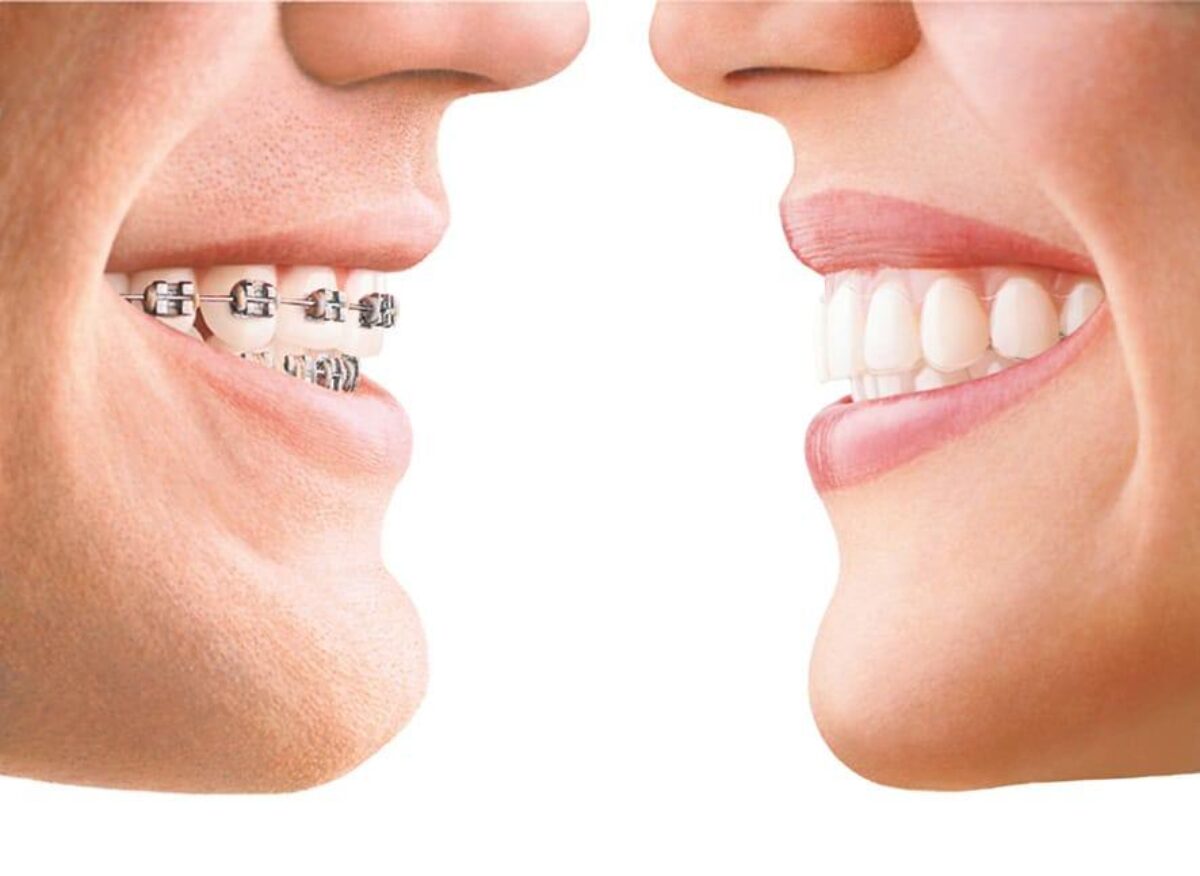
Getting veneers typically involves a consultation, tooth preparation, impressions, and a final fitting appointment; the full process may span several appointments. Because veneers address a range of cosmetic concerns, including discoloration, chipping, and gaps, they are a valuable long-term solution in cosmetic dentistry. Here is more information on what these dental devices are and who benefits from them:
What Are Veneers?
Veneers are thin shells bonded to the front surface of a tooth, and they are typically made from porcelain. Each veneer is custom-designed to match the shape, size, and color of a patient’s natural teeth. Dentists apply veneers to correct a range of cosmetic issues without altering the underlying tooth structure. Since veneers bond directly to the tooth, they function like natural enamel, allowing patients to eat, speak, and smile easily.
Who Do They Help?
These dental devices benefit patients with discoloration that doesn’t respond to whitening treatments; they also address chips, cracks, or minor misalignments. Patients with gaps between teeth may seek veneers as an alternative to orthodontic treatment. Because veneers serve a cosmetic rather than restorative purpose, they work when the underlying dental structure is sound.
Good candidates generally have healthy teeth and gums; veneers do not treat underlying dental disease. A dentist will assess enamel thickness and overall oral health before recommending the procedure. Patients with significant decay or gum disease must address these conditions first, as they can compromise the outcome of veneer placement. Consulting a dentist helps determine if these dental devices are right for each situation.
What Does the Process Involve?
The veneer process unfolds across a few appointments, and each serves a distinct purpose. During the first visit, the dentist conducts a dental exam, discusses the patient’s goals, and takes X-rays when necessary. The dentist may review shade options and shapes so that the final result aligns with the patient’s expectations.
At another appointment, the dentist removes a thin layer of enamel to make room for the veneer. Once the teeth are prepared, the dentist takes impressions of them and sends them to a dental lab for fabrication. This process typically takes a couple of weeks, and the dentist may place temporary veneers in the meantime to protect the teeth. At the final visit, the dentist checks the fit and color of the permanent dental devices.
What Are the Benefits?
Veneers offer several functional benefits beyond cosmetic improvement. These include:
- Stain resistance: Porcelain veneers resist staining from coffee, tea, and tobacco.
- Durability: With proper care, porcelain veneers typically last many years, making them a reliable long-term solution for smile correction.
- Minimal lifestyle adjustment: Patients continue routine brushing and flossing.
Understanding these benefits can help patients decide whether these dental devices are an appropriate option for their needs.
Know What To Expect
Getting veneers follows a structured process, which includes consultation, preparation, and placement. Each step plays a specific role in creating a natural, lasting result tailored to the patient’s smile goals, and patients who understand the process beforehand are better prepared. Anyone evaluating veneers should schedule a consultation with a cosmetic dentist to discuss candidacy, review options, and build a treatment timeline suited to their needs.
