


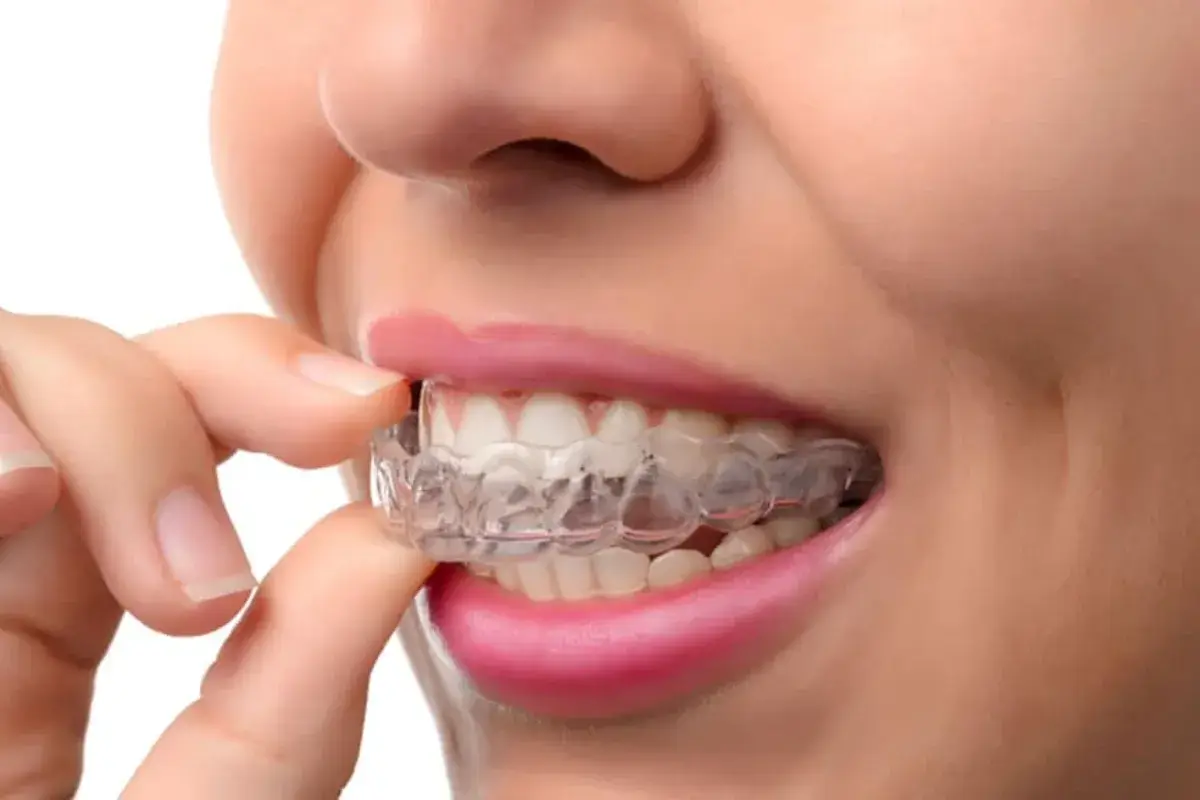
Invisalign uses a series of clear, removable aligners to gradually adjust the position of the teeth. The aligners provide an alternative to traditional braces for certain alignment, spacing, and bite concerns. A dental provider can evaluate your teeth and determine whether Invisalign fits your orthodontic needs. Here are a few of the advantages of Invisalign treatment:
Maintaining a Discreet Appearance
Invisalign aligners are made from clear material and fit over the teeth during orthodontic treatment. Unlike traditional braces, clear aligners do not use metal brackets or wires attached to the front of the teeth. Their transparent design provides a less noticeable treatment option for qualifying teenagers and adults. A dental provider can determine whether Invisalign aligns with each patient’s orthodontic needs and treatment goals.
Using Removable Aligners
Invisalign aligners are removable, allowing patients to take them out when eating, drinking, brushing, or flossing. Patients typically wear the aligners according to a schedule provided by their dental provider. Following the recommended schedule supports the individualized orthodontic treatment plan.
Removing the aligners allows patients to brush and floss without working around fixed brackets or wires. Patients can also remove their aligners during meals, although they should follow their provider’s care instructions. A dental provider is able to explain daily wear, cleaning, and oral hygiene recommendations during treatment.
Supporting a Comfortable Fit
Invisalign aligners use controlled pressure to gradually move teeth according to an individualized treatment plan. Each aligner set adjusts tooth positioning as patients progress through treatment. The smooth aligner material fits over the teeth without using traditional metal brackets or wires. Features related to aligner fit may include:
- Applying controlled pressure: Each aligner set gradually adjusts the position of selected teeth.
- Using smooth material: Clear plastic aligners fit over the teeth without brackets or wires.
- Changing aligner sets: Patients switch aligners according to the schedule provided by their dental provider.
- Managing temporary discomfort: Some patients may notice pressure when beginning a new set of aligners.
A dental provider monitors tooth movement and evaluates aligner fit during scheduled appointments. Treatment recommendations may change based on progress, dental needs, and the patient’s individualized orthodontic plan.
Addressing Alignment Concerns
Invisalign may be used to address several types of tooth alignment and bite concerns. These often include crooked teeth, crowding, gaps, or overlapping teeth. A dental provider evaluates each patient’s teeth and bite before recommending treatment.
The evaluation process may include an oral examination, X-rays, and digital scans of the teeth. These records provide information about tooth positioning and help guide treatment planning. Custom aligners are then created based on the patient’s individualized treatment plan. The number of aligners varies according to each person’s orthodontic needs.
Patients attend follow-up appointments throughout Invisalign treatment. These visits allow the dental provider to monitor tooth movement and evaluate treatment progress. Invisalign may also address certain crossbites, overbites, and underbites when appropriate. Treatment recommendations depend on the type and extent of the alignment concern.
Understanding Treatment Timelines
Invisalign treatment timelines vary based on the type and extent of the orthodontic concerns being addressed. A dental provider develops a treatment plan that outlines aligner changes, follow-up appointments, and the anticipated length of treatment. Regular visits allow the provider to monitor tooth movement and adjust recommendations when appropriate. Following the prescribed aligner schedule supports progress throughout the planned treatment period.
Start Your Invisalign Journey
Invisalign provides a clear, removable approach to addressing certain tooth alignment and bite concerns. Treatment plans vary based on each patient’s dental needs, alignment concerns, and orthodontic goals. A dental provider can evaluate your teeth, explain the treatment process, and discuss expected timelines. Schedule an Invisalign consultation to learn whether clear aligners would be appropriate for your dental needs.
