


Traditional antidepressants help manage depression symptoms, but some patients experience limited relief or medication-related side effects. TMS therapy offers a noninvasive, medication-free treatment option that uses magnetic pulses to stimulate brain regions involved in mood regulation. This approach provides another option for patients exploring alternatives to traditional antidepressant medications. Here is more information about some of the benefits of TMS therapy over traditional antidepressants:
Evaluating Treatment-Resistant Depression
Treatment-resistant depression occurs when symptoms persist despite adequate trials of antidepressant medications. Common symptoms include persistent sadness, fatigue, and reduced interest in daily activities. During an evaluation, providers review previous medications, dosages, treatment duration, and symptom changes. This information helps determine whether alternative treatments, including TMS therapy, may be appropriate.
Therapy offers a noninvasive treatment option for patients who experience limited improvement with traditional antidepressants. The procedure uses magnetic pulses to stimulate specific brain regions involved in mood regulation. Unlike antidepressant medications, TMS does not introduce medication into the bloodstream. Providers assess individual treatment histories and preferences before recommending this approach.
Providing Noninvasive TMS Therapy
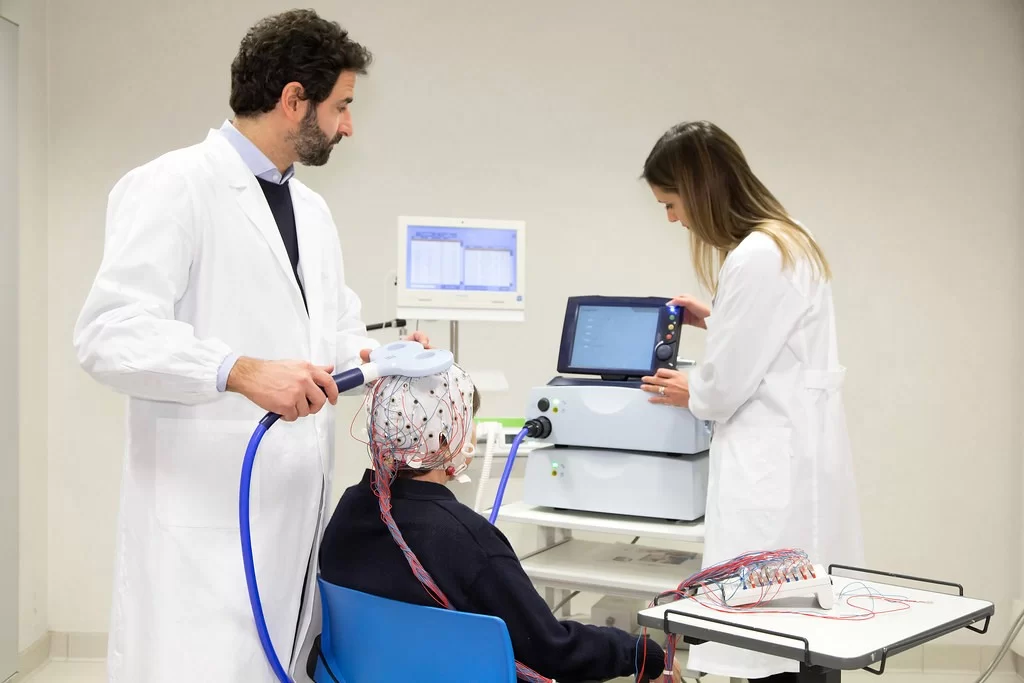
TMS therapy uses focused magnetic pulses delivered through a coil positioned against the scalp. The procedure does not require surgery, anesthesia, or hospitalization, and patients remain awake throughout treatment. Sessions take place in an outpatient setting under clinical supervision. Because treatment does not involve sedation, patients typically resume their daily activities after each appointment. Common features of therapy include:
- Noninvasive Stimulation: Delivering magnetic pulses to targeted brain regions without incisions or surgical procedures.
- No Anesthesia Required: Allowing patients to remain awake and alert throughout treatment.
- Outpatient Appointments: Providing treatment in a clinical setting without hospitalization.
- Minimal Recovery Time: Allowing most patients to return to their usual activities after each session.
Reducing Medication-Related Side Effects
Traditional antidepressants may cause side effects such as digestive discomfort, sleep disturbances, weight changes, or sexual dysfunction. Because these medications circulate throughout the body, some patients experience symptoms that interfere with daily activities. Therapy targets specific brain regions using magnetic pulses without introducing additional medication into the bloodstream. Although TMS has potential side effects, including headaches and scalp discomfort, it generally avoids the systemic effects associated with antidepressants.
Offering Standard and Rapid TMS
Standard TMS therapy follows a structured treatment schedule, typically involving multiple sessions per week over several weeks. During each appointment, magnetic pulses stimulate targeted brain regions using established treatment settings. Providers determine session frequency and duration based on individual treatment needs.
Rapid TMS uses shorter stimulation protocols or condensed treatment schedules, depending on the approach. These protocols deliver magnetic pulses using different patterns and timing intervals. Although both treatments use magnetic stimulation, their scheduling and session lengths may differ.
Providers review available TMS protocols to determine which approach aligns with each patient’s clinical needs. Throughout treatment, they monitor symptoms, patient responses, and potential side effects. Based on these evaluations, providers may adjust treatment settings or schedules when appropriate.
Schedule Your TMS Therapy Appointment
For individuals experiencing limited relief from antidepressant medications, therapy offers another treatment option worth exploring. During a consultation, providers review medical history, current symptoms, and previous treatments to determine whether therapy is appropriate. They also explain standard and rapid TMS protocols, including treatment schedules and potential side effects. Schedule a TMS therapy consultation in Calabasas, California, to discuss your options and develop a personalized treatment plan.
