


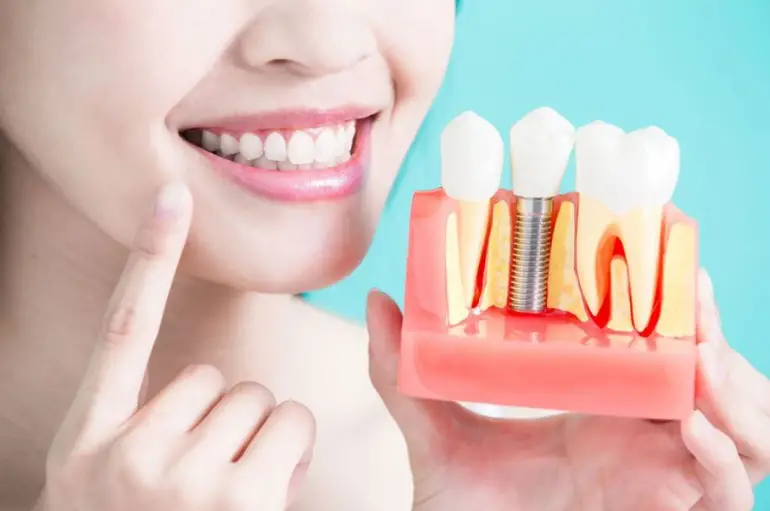
Modern dentistry offers several ways to replace missing teeth, including dentures, bridges, and dental implants. Each option has its place, but dental implants stand apart for their stability, durability, and natural appearance. Understanding the advantages of dental implants over other options helps you make the best decision for your oral health. Learn more about the advantages of dental implants over other options.
More Natural Fit
Dental implants are designed to replace both the visible crown of a tooth and the root beneath the gumline. A small titanium post is placed into the jawbone, where it fuses with the surrounding bone through a process called osseointegration. Once healed, the post serves as a secure foundation for a custom-made crown, and the posts are not easily seen or felt.
This structure allows implants to look, feel, and function much like natural teeth. The crown is shaded to match your existing teeth, so it blends seamlessly into your smile. Because the implant is anchored in the jaw, it does not shift or slip when you eat or speak.
Ease of Use
Once your implant has healed, caring for it is straightforward. You treat it much like a natural tooth, with no special routines or removable parts to manage. Many patients appreciate that implants become a seamless part of daily life.
Key advantages of implants in everyday use include:
- Simple cleaning: Regular brushing, flossing, and routine dental visits are typically all that is needed.
- No adhesives: Unlike dentures, implants do not require creams or pastes to stay in place.
- Confident eating: Implants restore strong chewing ability, allowing you to enjoy a wide variety of foods.
- Clear speech: Because implants do not shift, they will not cause slurring or clicking sounds.
- No removal required: There is no need to take implants out at night or soak them in solutions.
Dentures often require daily removal, careful cleaning, and periodic adjustments as the mouth shape changes over time. Bridges can make flossing more difficult, since cleaning beneath the restoration requires special tools. With implants, your oral hygiene routine remains familiar and manageable.
Cost Savings
Dentures and bridges generally require replacement or repair after a certain number of years. Dentures may need to be relined or remade as the jawbone changes shape; bridges can fail if the supporting teeth develop decay or other complications. These ongoing expenses can add up significantly over time.
Dental implants help you avoid additional dental problems. Because they preserve bone and do not depend on neighboring teeth for support, they reduce the risk of complications that could lead to further treatment. This durability makes implants a sound long-term investment in both oral health and quality of life.
Get Dental Implants
Every patient’s dental needs are unique, and not everyone is a candidate for implants. A thorough evaluation by a qualified dental professional is the best way to determine whether this treatment is appropriate for you. Schedule a consultation with an experienced implant dentist to explore your options and determine if your gum and jawbone health are suitable for a successful dental implant procedure.
