


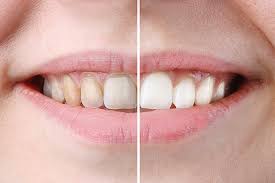
Teeth whitening can reduce discoloration and brighten the appearance of your smile. Results depend on the cause of staining, the whitening method used, and your oral care habits. Here are practical tips for preparing for successful teeth whitening:
Check Your Oral Health
A dental exam is a fundamental first step before teeth whitening treatment. Your dentist checks for cavities, gum irritation, and worn enamel, and these findings help determine whether whitening is suitable for your current condition. If you have untreated cavities or gum concerns, your dentist may recommend addressing them before you begin whitening.
The exam also identifies the type of staining you have. Surface stains from coffee or tobacco typically respond to whitening gel, but deeper discoloration may require a different cosmetic option. Whitening gel does not change the color of crowns, veneers, or fillings. When you have these restorations on visible teeth, ask your dentist how whitening will affect your overall shade match.
Choose Your Whitening Method
Dental offices generally provide two professional teeth whitening options. Each method uses a dentist-supervised gel, but the setting and timeline differ. Your schedule and preferred pace help determine which option fits you best.
In-Office Whitening
In-office whitening takes place in the dental chair. The dental team places a protective barrier over your gums, then applies a higher-strength gel to the front surfaces of your teeth. This option suits people who want a noticeable shade change in a single visit.
At-Home Whitening
At-home whitening uses custom trays that your dentist creates from impressions or digital scans of your teeth. You fill the trays with a lower-strength gel and wear them for a set period each day or night. Results develop gradually over time, which gives you control over the pace.
Follow Teeth Whitening Instructions
Your dentist provides specific instructions for your treatment plan. Following them closely can help you achieve consistent results, and it reduces the chance of uneven shading. Here are some guidelines to keep in mind as you begin treatment:
- Wear trays for the recommended time: Wearing trays longer than directed does not speed up results; stick to the schedule your dentist sets.
- Use the correct amount of gel: A small drop in each tooth compartment is usually enough.
- Brush before applying trays: Clean teeth allow the gel to make even contact with the enamel surface.
- Report sensitivity to your dentist: Some people experience temporary sensitivity during treatment.
- Skip store-bought products during treatment: Mixing products makes it harder to track your progress and compare results.
Maintain Your Whitening Results
Teeth whitening results are not permanent; daily habits can affect how long they last. Coffee, tea, red wine, and tobacco are common sources of new stains. If you drink dark beverages, rinse your mouth with water afterward or use a straw to limit contact with your front teeth.
Regular dental cleanings can remove surface buildup that dulls tooth color over time. Brush twice a day and floss daily to keep plaque from collecting on the enamel. Some dentists recommend occasional touch-up treatments with your custom trays to keep your shade consistent between visits.
Schedule Your Teeth Whitening Appointment
Successful whitening begins with a dental exam and continues with the right method, careful use, and consistent maintenance. In-office treatment takes place in the dentist’s office, while custom take-home trays let you whiten your teeth at your own pace. Each approach works best when you follow your dentist’s guidance. Contact a qualified dentist near you to schedule your teeth whitening appointment today.
