


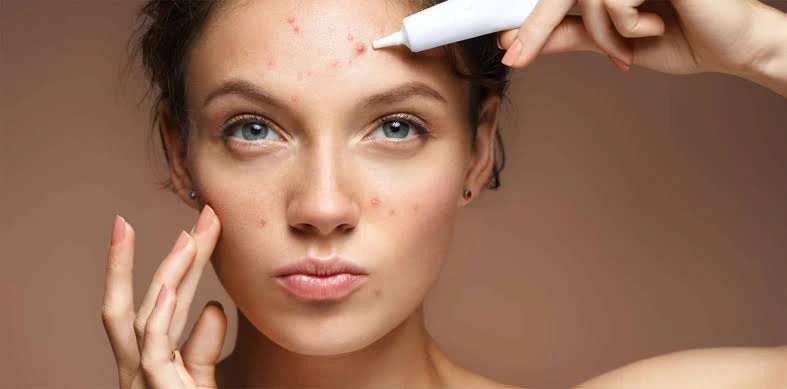
Products and home treatments for acne promise varying results. Understanding which approaches have scientific support and which may be ineffective or irritating can help you make informed skin care choices. Here is a closer look at what works and what does not when choosing remedies for acne:
Proven Treatments
Acne treatments generally fall into two groups. Some products are available without a prescription, while others require a visit to a dermatologist. Each group serves a different purpose, and the right choice depends on the type and severity of breakouts.
Exploring Over-the-Counter Ingredients
Several active ingredients appear in drugstore acne products. Benzoyl peroxide is widely used to address acne-related bacteria, and salicylic acid is used to loosen dead skin cells inside pores. Adapalene, a retinoid now sold without a prescription, can keep pores from clogging. If dryness or redness develops, users often apply these products every other day instead of daily.
Reviewing Prescription Options
Dermatologists prescribe stronger treatments for acne when drugstore products do not produce results. Common options include topical retinoids, topical or oral antibiotics, and hormonal therapies such as certain birth control pills or spironolactone. Some patients with severe or scarring acne receive isotretinoin, which requires close medical monitoring. Each option has specific instructions and possible side effects.
Ineffective Remedies
Some acne remedies circulate online, but few have strong medical support. Some cause irritation, and others delay effective care. When a remedy lacks evidence, results tend to vary widely from person to person. Here are some of them:
- Lemon juice: Its high acidity can disrupt the skin’s natural barrier, and sun exposure after use increases the risk of burns or dark spots.
- Harsh scrubbing: Rough exfoliation inflames active breakouts and does not clear pores faster.
- Popping pimples: Squeezing pushes debris deeper into the skin and increases the chance of scarring.
- Switching products often: Acne products often need a couple of weeks to show results, so frequent changes prevent a fair assessment.
Consistent Skincare Habits
A basic routine starts with a gentle cleanser and an acne treatment, and it finishes with a non-comedogenic moisturizer and sunscreen. The term “non-comedogenic” means the product is formulated not to clog pores. When people follow these steps daily, they give each product a fair chance to work. Washing twice a day and after heavy sweating can remove excess oil and dirt. Washing more often strips the skin, and that dryness may lead to more irritation. Introduce one new product at a time so you can easily trace any reaction.
Timely Professional Care
Drugstore products work for some people, but they do not fit every case. A dermatologist visit is helpful when acne worsens, spreads, or shows no change after months of consistent care. Painful cysts and deep lumps also require professional attention, as these forms of acne are more likely to leave scars.
Hormonal acne often appears along the jawline and chin, and it tends to flare around menstrual cycles or during puberty. A dermatologist reviews these patterns and identifies factors that over-the-counter products do not address. During an evaluation, the dermatologist examines the skin, asks about medical history, and creates a personalized plan.
Book Your Acne Evaluation Today
Finding the right acne remedy requires separating supported treatments from popular myths. Proven ingredients and prescription options offer structured approaches, while home remedies such as toothpaste and lemon juice often cause irritation. A consistent routine supports the treatment plan, and professional care can fill the gaps that drugstore products leave. Contact a qualified dermatologist near you to book your acne evaluation today.
