


Dental fillings repair teeth affected by decay, but the best material depends on the size and location of the cavity, as well as your preferences. Understanding the available options can help you discuss the decision with your dentist. Here is more information on choosing the right filling material for your dental needs:
Composite Fillings
Composite fillings use a tooth-colored resin that blends with your natural enamel. Dentists apply the resin in layers, harden each layer with a curing light, and shape the surface to match your bite. Some patients choose composites for front teeth, and the material works well for small to medium cavities. Here are a few practical factors to evaluate before choosing composites:
- Appearance: The color matches surrounding teeth, so the repair remains discreet.
- Bonding: The resin bonds directly to the tooth, which helps preserve more of the natural structure.
- Lifespan: Composites may need replacement sooner in high-pressure areas.
Amalgam Fillings
Amalgam fillings combine metals into a silver-colored material that has served dentistry for many decades. Dentists often place amalgam in back teeth, where strong chewing forces call for a sturdy repair. The material handles heavy pressure well.
The main trade-off involves visibility, so patients weigh durability against appearance. Amalgam shows a metallic shade that stands out on visible teeth, and people often reserve it for molars. If you want a long-lasting repair in a location no one sees, this option can meet that goal. A dentist reviews your bite and location before suggesting amalgam.
Glass Ionomer Fillings
Glass ionomer fillings use a blend of glass and acrylic that bonds to the tooth surface. Dentists often place them in areas that have lighter chewing loads, such as near the gumline or in children’s teeth. The material releases fluoride slowly and sets quickly in a single visit. Glass ionomer works best in specific cases, and the following points outline where it fits:
- Location: Suited for small repairs in low-pressure zones.
- Children’s teeth: Frequently used for baby teeth that will fall out naturally.
- Wear resistance: Less durable than composite or amalgam under heavy force.
Ceramic and Gold Options
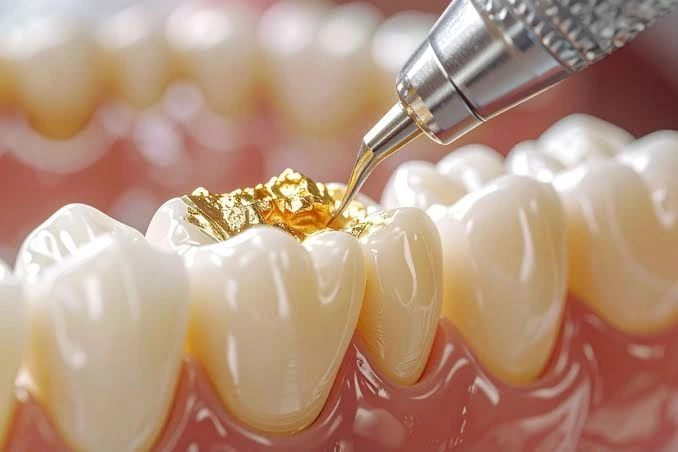
Ceramic and gold fillings are the premium end of the range, and both perform well. Ceramic, often made from porcelain, matches natural teeth and resists staining over time. Dentists shape it in a lab or with a milling machine, and the finished piece bonds securely. Gold fillings last a long time, and patients often keep them for years without trouble. The metal holds up under constant chewing, though it shows a distinct color. Both materials usually require more than one visit, so plan for extra appointments.
Explore Your Options for Fillings
Fillings restore damaged teeth, and the right material depends on location and appearance. Composites match your natural shade, while amalgam and gold deliver strength for back teeth. Ceramic bridges offer durability and aesthetics, though they often take extra time. Each option has clear trade-offs, and a professional exam helps you review them. Contact a qualified dentist near you to schedule your appointment and explore your options for fillings today.
