


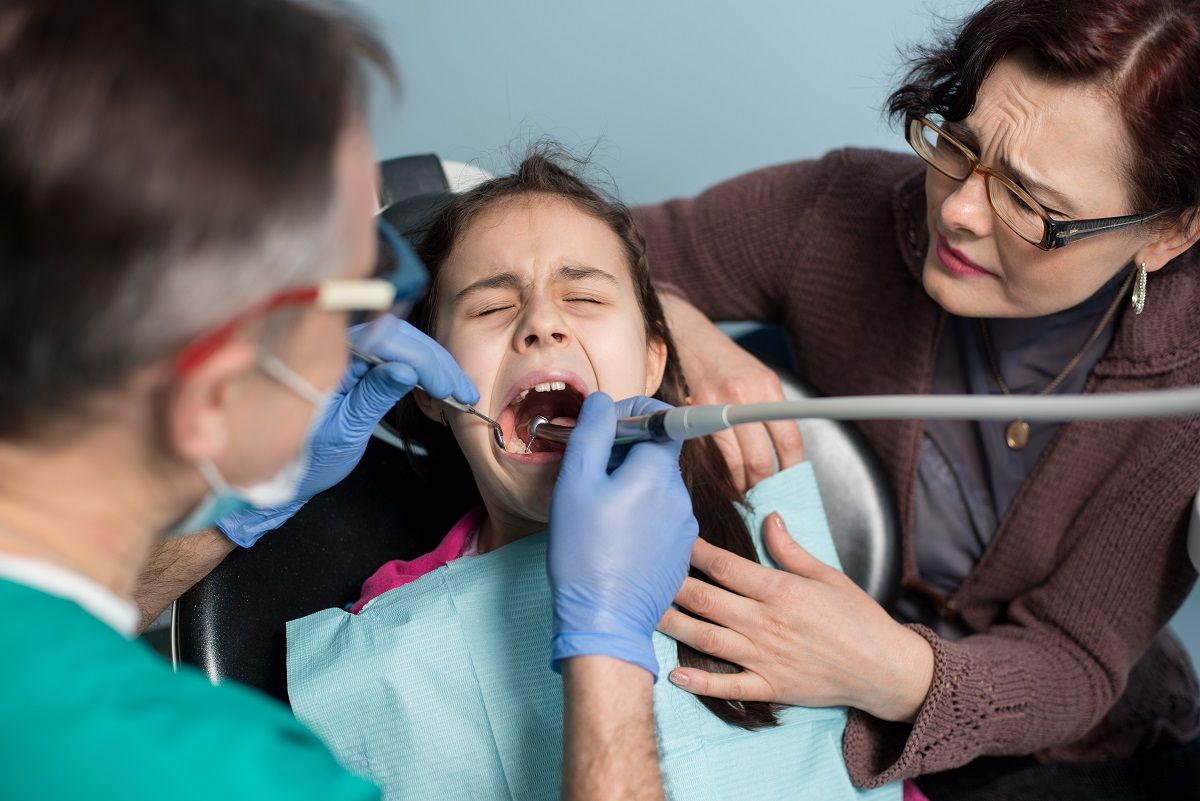
Toothaches, broken teeth, and mouth injuries can happen unexpectedly in children. Recognizing dental emergencies and responding promptly can help parents protect their child’s oral health and get the right care. Here are some common situations to watch for and the steps to take:
Knocked-Out Teeth
Knocked-out teeth are urgent dental emergencies, and quick action affects the outcome. Pick up the tooth by the crown, the part that shows when a child smiles, and avoid touching the root. If the tooth is dirty, rinse it gently with water, but do not scrub it or wrap it in tissue. Time matters, so seek professional care without delay while keeping the tooth moist.
Storage keeps the tooth in usable condition until a dentist can examine it. Place the tooth in a small container of milk, or hold it in the cheek pouch if the child is old enough to avoid swallowing it. A knocked-out baby tooth and a knocked-out adult tooth require different responses; a dentist can guide the next step.
Chipped Teeth and Injuries
Chips, cracks, and soft-tissue injuries are common dental emergencies, and calm handling helps you manage them. Rinse the mouth with warm water, apply gentle pressure to any bleeding, and locate any broken pieces if you can. These steps control the situation while you decide on next actions. The following steps help you handle common mouth injuries in children:
- Rinse the mouth: Use warm water to clear away debris, and check for cuts on the lips, cheeks, or tongue.
- Control bleeding: Press a clean cloth or gauze against the area, and hold it in place until the bleeding slows.
- Reduce swelling: Apply a cold compress to the outside of the cheek to limit swelling near the injury.
- Save the fragments: Keep any broken tooth pieces in milk or water, since a dentist may want to review them.
Persistent Pain and Swelling
Pain and swelling often signal a problem that requires attention, and reading these signs early helps you act. A severe toothache, a puffy cheek, or a bump on the gum can point to a suspected infection. The following signs can help you identify pain and swelling that require prompt care:
- Persistent toothache: Ongoing pain that disrupts sleep or eating may indicate a deeper issue.
- Facial swelling: Puffiness in the cheek or jaw can suggest an infection near a tooth.
- Gum bumps: A small and tender bump on the gum needs a professional review.
- Fever with mouth pain: A fever that presents with dental pain is a signal to seek help quickly.
Prompt Professional Help
Timing separates a manageable problem from a larger one, so clear rules help you decide. Seek prompt care for a knocked-out adult tooth, heavy bleeding that will not stop, or swelling that spreads across the face. A lost crown, a cracked tooth, and a suspected infection also qualify as dental emergencies. When you are unsure, contact a dental provider and describe the symptoms in plain terms. Trouble breathing, uncontrolled bleeding, or a serious head injury alongside dental damage requires urgent evaluation. Keep a dentist’s contact details within reach, and make sure caregivers know the plan.
Evaluate Your Dental Emergencies Today
Understanding dental emergencies can make a key difference in their outcomes. Symptoms such as severe pain, swelling, or a knocked-out tooth are clear indicators to seek prompt care. Other damage, like a cracked tooth or suspected infection, also warrants timely intervention. Contact a qualified dentist near you to schedule your appointment and evaluate your dental emergencies today.
