


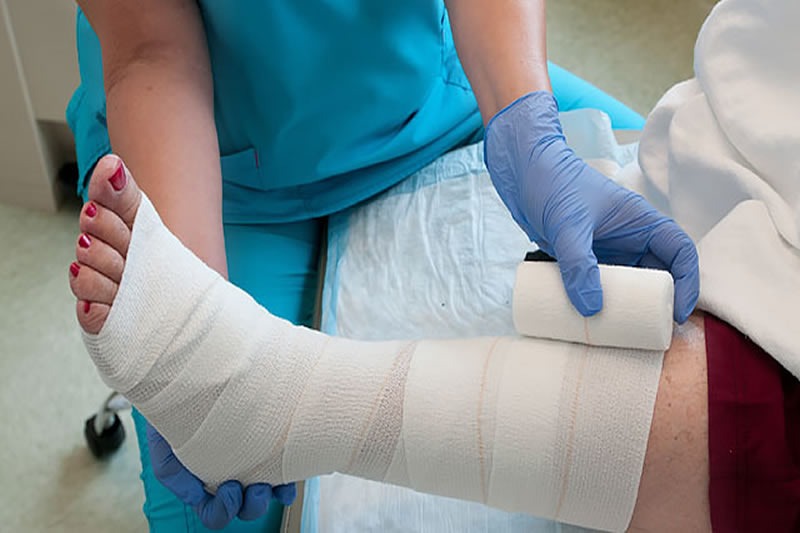
General surgeons operate on the abdomen, skin, and soft tissue, and they manage patients before and after each procedure. A surgeon treats hernias, infections, and complex wounds. When a wound needs long-term attention, that surgeon often partners with a wound care specialist to guide recovery. Here is more information on the collaboration between general surgeons and wound care specialists:
Standardized Handoffs
A clear handoff moves patient details from the surgical team to the wound care team. The general surgeon documents the incision type, closure method, and any drains that remain in place. As gaps in communication delay treatment, both teams use a shared checklist during transfer. This structure keeps the record accurate.
Shared Care Protocols
Shared protocols set the rules that both specialists follow for a given wound type. The surgeon and specialist agree on cleaning steps, dressing choices, and follow-up timing. Since each wound differs, the protocol lists specific triggers for escalation.
A written protocol typically covers a few core areas:
- Dressing selection and change frequency
- Looking for signs of infection that require a surgeon review
- Maintaining pain management thresholds
- Adjusting timing for suture or staple removal
These items give staff a reference during daily rounds. Nurses follow the same steps across shifts, and the specialist adjusts orders when a wound changes. When a patient reacts poorly, the team revises the plan together.
Continual Monitoring
Monitoring tracks how a wound heals over days and weeks. The specialist measures depth, drainage, and tissue color at each visit. Since early changes signal complications, the surgeon reviews flagged cases quickly. Photographs support this review.
Regular updates make sure that the team remains informed about each patient’s progress. This consistency helps avoid delays in addressing potential complications. While clear communication is key, the use of standardized tools and protocols further enhances the effectiveness of wound care management.
Accurate documentation of wound characteristics is critical to maintaining effective treatment. It allows caregivers to monitor changes over time and identify early signs of deterioration. When combined with timely intervention and collaboration, these practices may significantly improve patient outcomes.
Advanced Therapies
Some wounds resist standard treatment and need additional methods. The surgeon and specialist may apply negative pressure therapy, skin substitutes, or hyperbaric oxygen. Since these tools carry specific rules, the team confirms each candidate through joint assessment.
The two roles divide the work in a practical way:
- The surgeon addresses underlying tissue and structural repair.
- The specialist manages the wound bed and dressing regimen.
- The providers both review progress at set intervals.
This division keeps responsibilities clear during complex treatment. The surgeon handles operative decisions, and the specialist tracks the daily response. When therapy stalls, the pair reassess the approach and adjust the schedule.
This collaborative approach makes sure that patient care remains coordinated and efficient. Each professional brings specialized expertise to the shared goal of successful healing. While the surgeon focuses on structural repair, the specialist’s ongoing monitoring helps identify subtle changes that might require intervention.
Schedule a General Surgeon Visit
A general surgeon evaluates wounds that need surgical input or specialist coordination. The surgeon reviews your history, examines the site, and outlines a treatment path. When collaboration starts with an assessment, an early visit gives both teams a shared starting point. Contact the surgical office to schedule your appointment and begin the review.
