

Close Menu
    What's Hot

    The Role of a Low Testosterone Specialist in Diagnosis and Treatment

    July 24, 2026

    How Orthopedic Surgery Can Enhance Quality of Life

    July 24, 2026

    What Parents Should Watch for to Prevent Bunions in Children

    July 24, 2026
    Facebook X (Twitter) Instagram
    Facebook X (Twitter) Instagram
    zlumeword.com
    SUBSCRIBE
    • Home
    • Cardiology
    • Dermatology
    • Gynecology
    • Pain Management
    • Mentel Health
    • Lifestyle
    zlumeword.com
    Home » How To Know If You Have a Food Allergy
    Blog

    How To Know If You Have a Food Allergy

    Oliver JaneBy Oliver JaneJuly 24, 2026No Comments3 Mins Read
    Food Allergy
    Share
    Facebook Twitter Reddit Telegram Pinterest Email

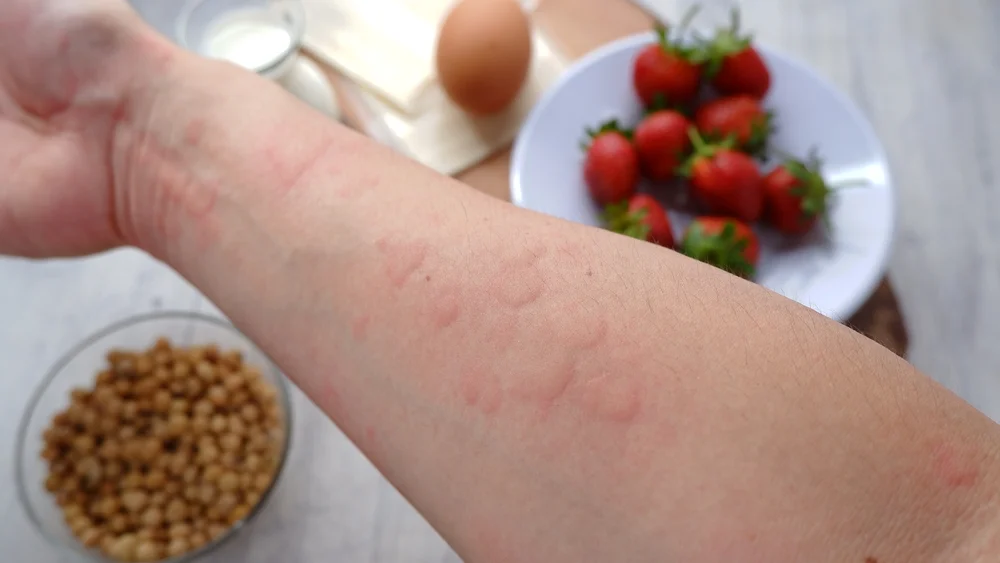
    Food allergies occur when the immune system reacts to certain foods, causing symptoms such as mild itching, digestive discomfort, or a life-threatening reaction. Recognizing common warning signs and seeking appropriate medical testing can help determine the trigger. Here is more information on how to know if you have a food allergy:

    Recognizing Food Allergy Symptoms

    Symptoms of food allergies often appear within minutes to a couple of hours after eating a trigger food. Some reactions remain mild, while others progress quickly, so paying attention to timing is helpful. Common signs include itching, hives, swelling, stomach upset, and breathing difficulties, and these symptoms vary between individuals.

    Severe reactions, known as anaphylaxis, need urgent medical attention. This type of reaction may cause throat tightness, a rapid drop in blood pressure, or trouble breathing, and it can escalate fast. If you or your child shows these signs, seek emergency care immediately, because delay increases the risk.

    Identifying Common Food Triggers

    Certain foods cause most allergic reactions, and knowing them helps you stay alert. Here are some common triggers:

    • Peanuts: Peanut reactions can be serious, and even small amounts sometimes cause a response.
    • Tree nuts: Almonds, walnuts, and cashews fall into this group.
    • Milk: Cow’s milk allergy appears often in young children, though some outgrow it.
    • Eggs: Egg allergy is common in children, and it can affect both the egg white and yolk.
    • Shellfish: Shrimp, crab, and lobster can trigger strong reactions, and this allergy often continues into adulthood.

    Recognizing these triggers gives you a starting point; a specialist can confirm which foods truly cause your reactions.

    Confirming Allergies Through Testing

    Testing plays a key role in diagnosing food allergies accurately. A specialist first gathers your history, then selects tests based on your symptoms. Self-diagnosis often leads to unnecessary food restrictions, so professional testing offers a clearer picture. Skin prick testing is a common method, and it involves placing a small amount of allergen on the skin to observe a reaction. Blood tests measure specific antibodies linked to allergic responses, and doctors sometimes use them alongside skin tests. 

    A supervised oral food challenge confirms a diagnosis in some cases. During this test, you eat small, increasing amounts of a suspected food under medical supervision, and the team monitors your response closely. This method takes place only in controlled settings for safety.

    Managing Reactions and Avoiding Triggers

    Once a specialist confirms your food allergies, daily management becomes the focus. The following strategies can help you reduce risk and respond quickly:

    • Read labels carefully: Check ingredient lists every time, because manufacturers change recipes. 
    • Carry prescribed medication: Keep emergency treatment with you if your doctor prescribes it, and make sure family members know how to use it.
    • Communicate at restaurants: Tell staff about your allergy before ordering, and ask how dishes are prepared.
    • Plan meals ahead: Prepare safe options in advance to reduce the chance of accidental exposure when you travel or eat out.
    • Educate those around you: Teach caregivers, teachers, and coworkers about your triggers, and share your emergency plan so they can respond quickly.

    Book Your Food Allergies Appointment

    Managing food allergies requires careful planning and consistent habits to maintain safety. Reading labels diligently, preventing cross-contact in food preparation, and proactively planning safe meals can significantly reduce the risk of accidental exposure. Contact a qualified allergist near you to book your appointment for food allergies today.

    Share. Facebook Twitter Pinterest LinkedIn Telegram Reddit Email
    Previous ArticleCollaborative Approaches Between General Surgeons and Wound Care Specialists
    Next Article What Parents Should Watch for to Prevent Bunions in Children
    Oliver Jane
    • Website

    Related Posts

    The Role of a Low Testosterone Specialist in Diagnosis and Treatment

    July 24, 2026

    How Orthopedic Surgery Can Enhance Quality of Life

    July 24, 2026

    What Parents Should Watch for to Prevent Bunions in Children

    July 24, 2026

    Collaborative Approaches Between General Surgeons and Wound Care Specialists

    July 24, 2026

    The Role of Genetic Screening in Obstetrics

    July 24, 2026

    Exploring the Long-term Effects of ACL Tear Injuries

    July 24, 2026
    Add A Comment
    Leave A Reply Cancel Reply

    Demo
    Stay In Touch
    • Facebook
    • Twitter
    • Pinterest
    • Instagram
    • YouTube
    • Vimeo
    Don't Miss

    The Role of a Low Testosterone Specialist in Diagnosis and Treatment

    By Oliver JaneJuly 24, 2026

    Low testosterone can affect different aspects of men’s health and daily routines. Symptoms such as…

    How Orthopedic Surgery Can Enhance Quality of Life

    July 24, 2026

    What Parents Should Watch for to Prevent Bunions in Children

    July 24, 2026

    How To Know If You Have a Food Allergy

    July 24, 2026
    About Us
    About Us

    ZlumeWords delivers informative, engaging, and trustworthy content on business, technology, health, finance, lifestyle, and trending topics worldwide.

    Email Us: hazeleva.co.uk@gmail.com
    Contact: +44 7395 617407

    Our Picks

    How To Know If You Have a Food Allergy

    July 24, 2026

    Collaborative Approaches Between General Surgeons and Wound Care Specialists

    July 24, 2026

    Effective Strategies for Managing Neck Pain

    July 24, 2026
    New Comments
      Facebook X (Twitter) Instagram Pinterest
      • About Us
      • Get In Touch
      • Privacy Policy
      © 2026 zlumeword.com.

      Type above and press Enter to search. Press Esc to cancel.

      Powered by
      ►
      Necessary cookies enable essential site features like secure log-ins and consent preference adjustments. They do not store personal data.
      None
      ►
      Functional cookies support features like content sharing on social media, collecting feedback, and enabling third-party tools.
      None
      ►
      Analytical cookies track visitor interactions, providing insights on metrics like visitor count, bounce rate, and traffic sources.
      None
      ►
      Advertisement cookies deliver personalized ads based on your previous visits and analyze the effectiveness of ad campaigns.
      None
      ►
      Unclassified cookies are cookies that we are in the process of classifying, together with the providers of individual cookies.
      None
      Powered by

      WhatsApp us