


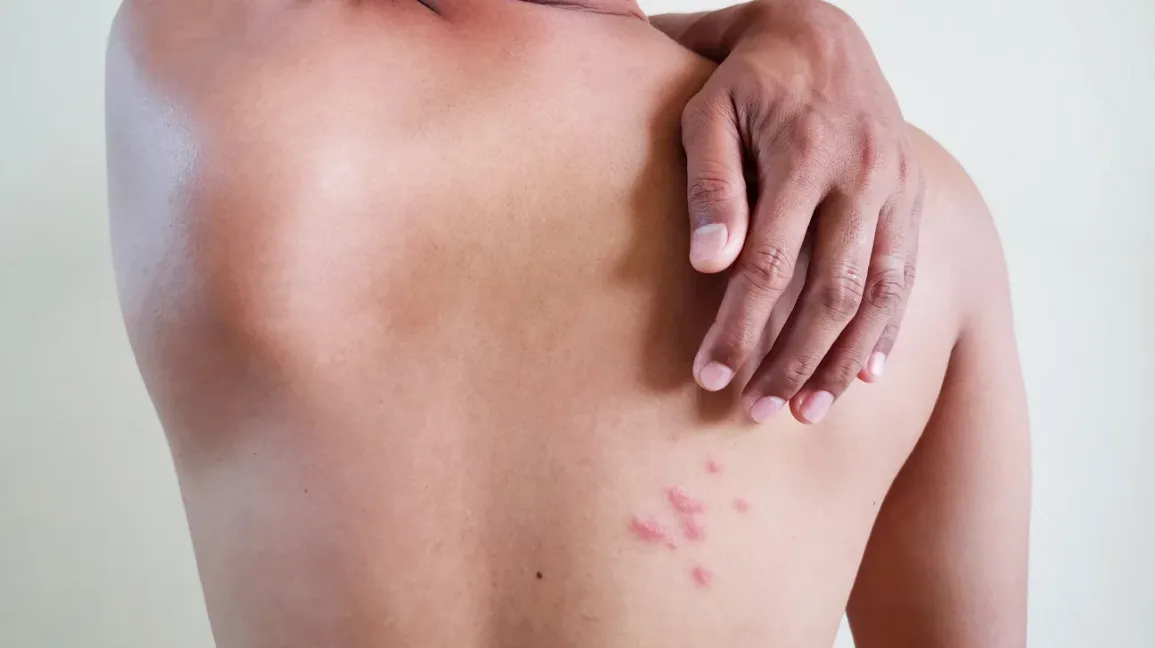
Shingles is a viral infection of the nerves and skin. It often causes a painful rash, and it can lead to other health problems. Since anyone who has had chickenpox has the potential to develop shingles, the risk increases as you get older. Understanding these basics helps you act when symptoms appear.
Causes of Shingles
Shingles comes from the varicella-zoster virus, the same virus that causes chickenpox. After you recover from chickenpox, the virus stays in your body and can remain inactive for decades. It rests in nerve tissue near the spinal cord and brain with no symptoms during this time. When the virus reactivates, it travels along a nerve to the skin and causes shingles. Doctors do not always know why the virus reactivates in some people, and they do not understand why it does not affect others. Several factors can increase your risk:
- Age: The risk rises sharply after age 50.
- Illnesses that weaken the immune system: Conditions such as cancer or HIV make it harder for your body to keep the virus inactive.
- Medications that suppress immunity: Steroids and drugs used after organ transplants are common examples.
- Physical or emotional stress: Illness or prolonged stress may trigger reactivation.
- Malnutrition or lack of sleep: Both affect immune function and will raise your risk.
- Chronic conditions such as diabetes: Your immune response may already be reduced, which makes you more vulnerable.
Symptoms of Shingles
Early symptoms usually start a few days before the rash. You may feel pain, burning, or tingling in one area, and that area will be sensitive to touch. Some people have a fever, headache, or fatigue, while others feel chills before any skin changes appear. These early warning signs are easy to mistake for other illnesses, and many people do not connect them to shingles right away. The pain often feels like a deep ache or a sharp, stabbing sensation, and it may come and go at first.
In some cases, the skin in the affected area becomes so sensitive that even light clothing causes discomfort. Recognizing these early signs matters, because starting treatment quickly can reduce how severe the illness becomes. The rash typically forms a band or strip on one side of the body. It often appears on the torso, but it will also develop on the face or near an eye.
Treatment of Shingles
Most doctors diagnose shingles with a physical exam, so they may start with that. They look at the rash pattern, and they ask about your symptoms. The distinct one-sided rash is often enough for a confident diagnosis, and most doctors can identify it quickly. If the rash looks unusual or appears before blisters form, your doctor may swab a blister, and a lab will test the sample to confirm the virus. Blood tests can also detect antibodies related to the varicella-zoster virus. In some cases, especially when the rash appears near the eye or ear, your doctor may refer you to a specialist, and additional imaging or nerve tests may be recommended. Getting an accurate diagnosis early matters because it allows treatment to begin as soon as possible.
Contact Your Healthcare Provider
Timing matters with shingles. Call your doctor as soon as you notice pain or a rash on one side of your body. Your doctor will confirm the diagnosis, and you can begin treatment without delay. Seek care right away if the rash is near your eye, because shingles there will affect your vision. If you are over 50 or have a weak immune system, ask about your risk and plan your next steps.
