


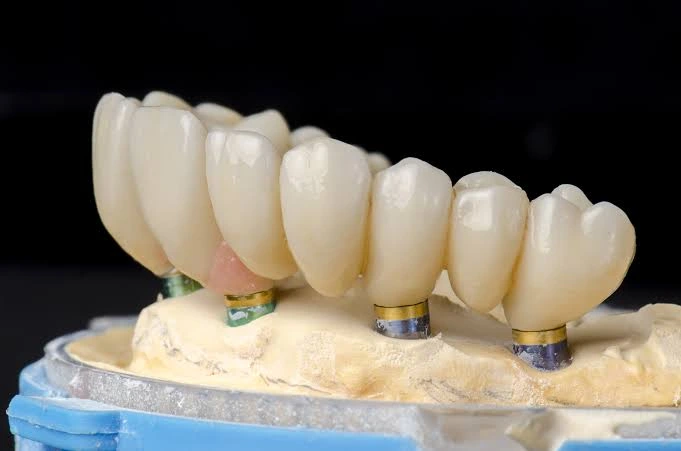
Losing a full arch of teeth changes how you eat, speak, and smile, but several solutions can help. All-on-4 offers a way to replace those teeth using just four dental implants per arch. If you want a stable option, this treatment addresses several typical concerns for full-arch restoration. Here are some of the benefits of All-on-4 dentures when you need a full-arch restoration:
Anchored Stability
Four implants hold your new teeth firmly in place. The implants fuse with your jawbone, and this creates a solid foundation over time. Since the teeth attach directly to these anchors, they stay put during meals and conversation.
Traditional dentures rest on your gums. All-on-4 teeth connect to titanium posts instead, so movement is far more limited. When your replacement teeth stay steady, you eat a wider range of foods with fewer complications. This stability also helps maintain your jawbone health, reducing the risk of bone loss over time.
Halted Jawbone Loss
Your jawbone needs stimulation to stay healthy. When teeth go missing, the bone underneath begins to shrink, and this affects your facial structure. Implants replace that missing stimulation by transferring pressure into the bone. The angled placement of All-on-4 implants uses available bone efficiently. Many patients avoid bone grafting because the technique works with existing bone.
Avoided Glues
Removable dentures often rely on adhesive pastes. Those glues loosen throughout the day, and reapplying them becomes a daily task. All-on-4 teeth stay fixed to the implants, so you skip that routine entirely.
Skipping adhesive changes small parts of your day. Here is what you no longer manage when you choose this form of dentures:
- Buying and storing denture paste
- Reapplying glue after meals
- Worrying about slippage while speaking
Since the teeth attach securely, these tasks fade from your schedule. You brush and clean your restoration much like natural teeth, and the process feels straightforward.
Less Surgery
Some tooth-replacement plans require an implant for each missing tooth. All-on-4 uses only four implants to support a full arch. This lowers the number of surgical sites, and it often shortens overall treatment time.
Fewer implants mean fewer appointments in many cases. The angled design also reduces the need for grafting procedures. When the scope shrinks, recovery tends to feel more manageable for many patients.
Your dentist reviews your health and imaging before recommending this path. If your bone and gums meet the requirements, you may qualify for treatment. A clear plan helps you understand each step ahead of time. Every mouth is different, so a personal evaluation matters. Your dentist examines your jaw, discusses your goals, and explains your options in plain terms.
Schedule an All-on-4 Consultation
All-on-4 provides anchored stability, and it helps slow jawbone loss after tooth loss. You avoid daily adhesives, and the treatment typically involves fewer implants than other methods; these features make it a practical option worth reviewing with a professional. When you understand the process, you make a decision that fits your needs. Book your consultation today and get clear answers about whether All-on-4 suits you.
