


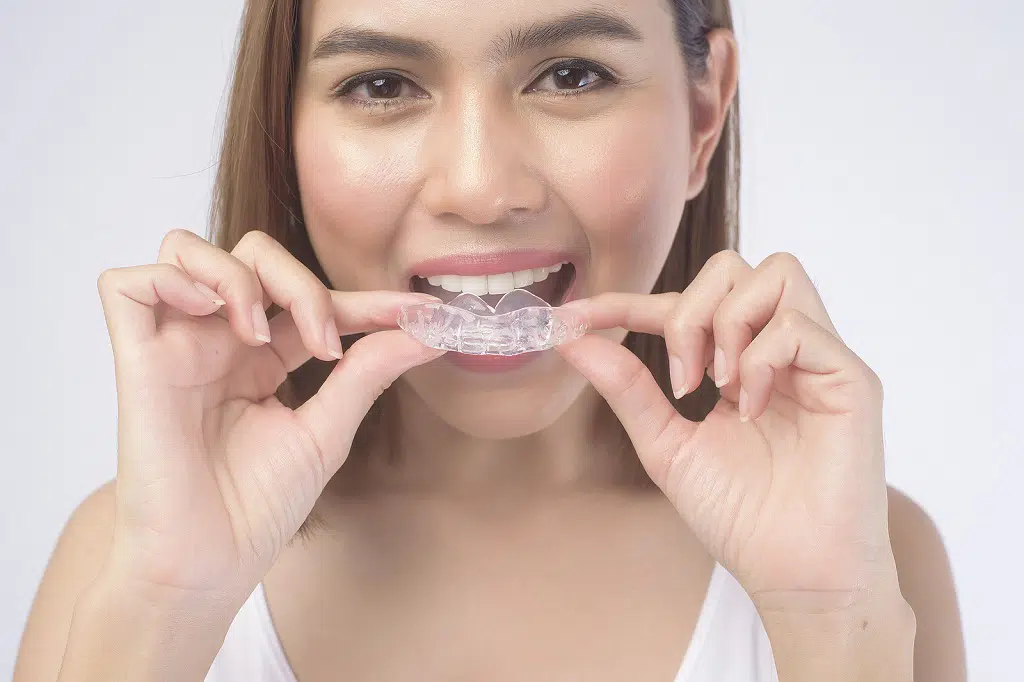
Maintaining a busy schedule while undergoing orthodontic treatment requires balancing work, social commitments, and daily responsibilities. Invisible braces offer a discreet and convenient option for straightening teeth without the noticeable look of traditional metal braces. Here is more information on the convenience of invisible braces for a busy lifestyle:
Discreet Orthodontic Treatment
Invisible braces use thin and transparent plastic that sits closely over the teeth. Most people do not notice the aligners during conversation, making them a practical choice for client meetings, presentations, and school events. Metal braces rely on brackets and wires, while aligners have no visible hardware on the front of the teeth. When a provider designs a custom treatment plan, each aligner matches the shape of the patient’s teeth for a snug fit.
Daily Eating and Hygiene Routines
Removable aligners let you keep your usual diet during treatment. Take the aligners out before meals, then put them back in after you finish eating and cleaning your teeth. Traditional braces often require patients to avoid foods such as popcorn, hard candy, and chewing gum. Invisible braces remove some of these restrictions, although you still need to follow your provider’s guidelines.
Eating With Invisible Braces
Remove your aligners before you eat or drink anything other than plain water. Store them in their case, and keep the case with you at work or school. When you finish a meal, rinse your mouth or brush your teeth before you put the aligners back in. This step keeps food particles from getting trapped against your teeth.
Cleaning Your Teeth and Aligners
Brush and floss your teeth the same way you did before treatment. With no brackets or wires to work around, daily cleaning takes about the same amount of time. Rinse the aligners each time you remove them, and clean them gently as your provider directs.
Flexible Treatment and Fewer Visits
A busy schedule leaves little room for frequent appointments. Invisible braces often require fewer in-office visits, and some providers offer virtual check-ins. The following features support a more manageable schedule:
- Fewer adjustments: You switch to a new set of aligners at home instead of visiting the office to tighten wires.
- Multiple sets at once: Your provider often gives you several aligner sets per visit, which reduces trips to the office.
- Virtual monitoring: Some practices use photo uploads or apps to track progress between appointments.
- Shorter appointments: Check-ups focus on reviewing progress, and they rarely involve wire or bracket repairs.
Minimal Disruption to Activities
Providers often recommend wearing aligners for about 20 to 22 hours per day. This schedule leaves time for meals and cleaning and fits most work and school routines. Travel stays simple when you keep a case, a travel toothbrush, and your next aligner set in your bag. If you lose or damage an aligner, contact your provider, and they will advise whether to move to the next set or wait for a replacement. Aligners also fit around everyday activities. You remove them for contact sports and wear a separate mouthguard, or you follow your provider’s guidance for your specific activity.
Learn More About Invisible Braces
Invisible aligners offer a discreet way to straighten teeth without major changes to your daily routine. They are designed to fit your lifestyle, with removable trays that make eating and oral hygiene possible. Regular check-ins with your provider also keep you on track and help address concerns, like a damaged aligner, promptly. To learn more about invisible braces, contact a qualified orthodontist near you to schedule your consultation today.
