


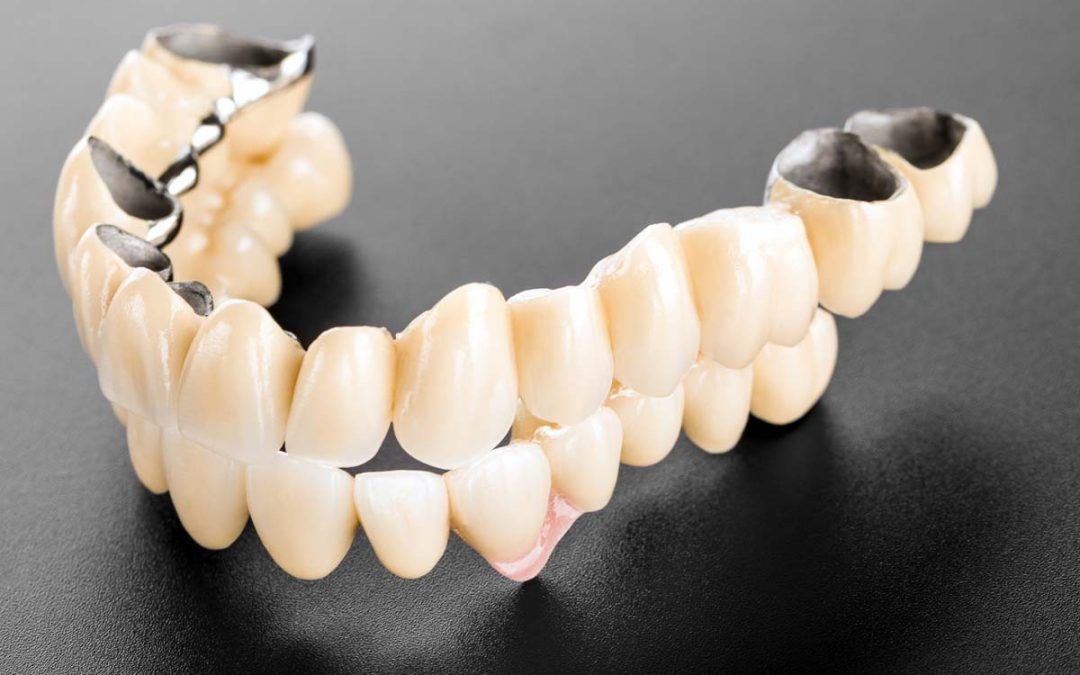
Dental veneers are thin custom-made shells designed to cover the front surfaces of teeth and improve their appearance. They commonly address cosmetic concerns such as discoloration, chips, gaps, and unevenly shaped teeth. Understanding the procedure can help patients prepare for treatment and make informed decisions about their dental care. Here is more information on what to expect when you get veneers:
Consultation and Smile Assessment
The process begins with a consultation at your dentist’s office. During this visit, the dentist examines your teeth and gums and reviews your dental history. The dentist may take X-rays, photographs, or impressions to study the structure and alignment of your teeth. You will also describe the changes you want, such as a lighter shade, a more even edge, or a different tooth length. Here are some helpful points to discuss during your veneers consultation:
- Veneer material: Porcelain and composite resin differ in appearance and longevity.
- Number of veneers: Your dentist will explain how many teeth need veneers to create an even and balanced look.
- Shade selection: You and your dentist choose a color that fits your goals and blends with nearby teeth.
- Existing dental issues: The dentist checks for problems such as decay or gum disease that need treatment before veneers.
Tooth Preparation for Veneers
Preparation usually takes place at a second appointment. The dentist completes two key tasks at this visit to support a proper fit. Once preparation is complete, the dental lab begins creating your veneers.
Tooth Reshaping
The dentist removes a thin layer of enamel from the front of each tooth that will receive a veneer. This step creates space for the veneer, and it can keep the final result from looking bulky. Dentists often apply a local anesthetic before they begin so that you stay comfortable.
Impressions and Temporary Veneers
After reshaping, the dentist takes an impression or digital scan of your teeth. The lab uses this model to build veneers that match the exact shape of your teeth, and they may place temporary veneers while you wait. These temporaries protect the prepared teeth and let you preview the new shape.
Veneer Fitting and Bonding
The fitting appointment begins when your permanent veneers arrive from the lab. The dentist removes the temporaries and places each new veneer on your tooth to check fit and color. Adjustments to the shape or edge happen at this stage, and you can review the look before bonding.
Bonding follows a set sequence. The dentist cleans and polishes each tooth, then applies a mild etching solution that roughens the surface so the bond holds firmly. The dentist applies a layer of dental cement to the back of the veneer before pressing it into place, and they use a special curing light to harden the cement.
Recovery and Aftercare
Recovery after veneer placement is usually short. Some people experience mild sensitivity to hot or cold foods for a few days, and others notice that their bite feels different at first. Your dentist will explain what’s standard, so you can contact the office if anything feels unusual.
Daily care for veneers looks similar to care for natural teeth. Brush twice a day with a non-abrasive toothpaste, and floss once a day to keep the gum line clean. Avoid biting hard objects such as ice, pens, or fingernails; these habits put stress on the veneers. If you grind your teeth at night, your dentist may recommend a night guard.
Schedule Your Veneers Appointment Today
Getting veneers involves a consultation, tooth preparation, a fitting and bonding visit, and ongoing at-home care. They offer a practical option when you want to change the appearance of stained, chipped, or uneven teeth. Using a non-abrasive toothpaste can preserve the surface of the veneers and extend their lifespan. Contact a qualified dentist near you to schedule your veneers appointment today.
