


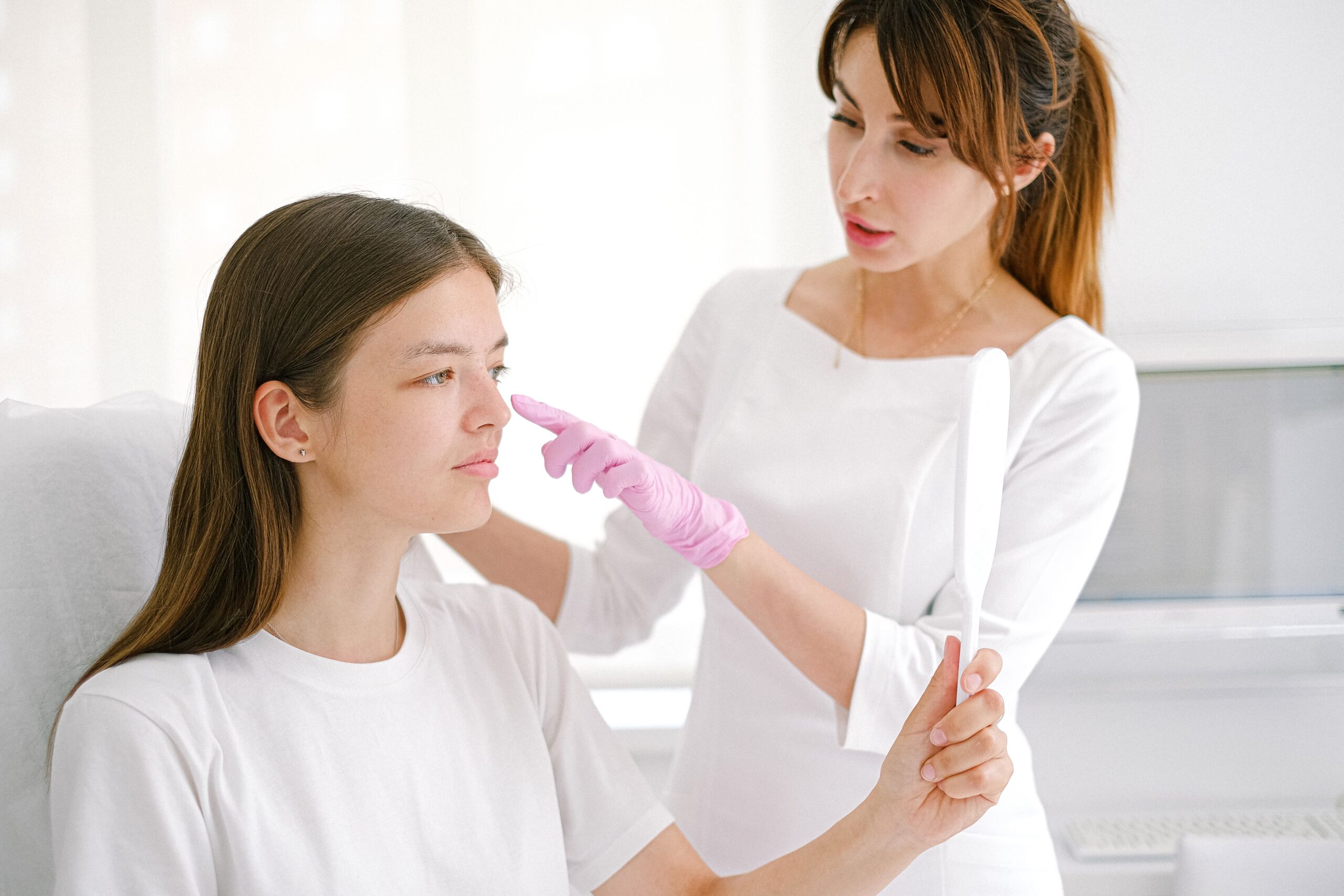
Anyone researching skin care providers in the United States has likely come across Forefront Dermatology at some point, particularly if they live in the Midwest, Midatlantic, or one of the growing number of states where the group has expanded in recent years. As one of the largest dermatology practice groups in the country, Forefront Dermatology has built a footprint that spans dozens of states, but understanding what that actually means for patients requires looking beyond the marketing language and into how the practice operates day to day.
A Brief History
Forefront Dermatology traces its roots back to 1977, originally starting as a smaller, community-based practice before growing into the expansive network it is today. The company is headquartered in Manitowoc, Wisconsin, and over the decades it has steadily acquired and partnered with independent dermatology practices across the country rather than building every location from scratch. This acquisition-driven growth model is fairly common in healthcare consolidation, allowing established local practices to join a larger network while, at least in theory, maintaining some degree of physician autonomy at the clinical level.
Ownership of the company has shifted over time as well. In 2022, private equity firm Partners Group acquired Four season Dermatology from OMERS Private Equity, with existing physician partners retaining a significant ownership stake in the deal. This kind of private equity involvement has become increasingly common across dermatology and other medical specialties, and it’s a detail worth understanding, since ownership structure can influence everything from expansion strategy to how administrative decisions get made across a large network of clinics.
Scope and Services
Today, Forefront Dermatology operates hundreds of clinic locations spread across close to thirty states, supported by several hundred board-certified dermatologists along with physician assistants and nurse practitioners. This makes it one of the largest single-specialty dermatology group practices in the country, at least by location count and provider headcount.
The range of services offered reflects that scale. Forefront Dermatology provides general medical dermatology for conditions like acne, psoriasis, eczema, and rosacea, along with surgical dermatology services such as Mohs micrographic surgery for skin cancer removal. Cosmetic dermatology is also part of the offering, covering treatments aimed at skin rejuvenation and appearance-related concerns. In addition, the company operates its own dermatopathology lab, which allows for in-house processing of skin biopsies and related diagnostic testing rather than relying entirely on outside labs for every case.
Pediatric dermatology is another area covered within the network, along with hair and nail disorder treatment, making the group a fairly comprehensive option for patients dealing with a wide range of skin, hair, and nail concerns rather than needing to seek out multiple specialists for different issues.
What Sets a Group Practice Model Apart
One of the defining characteristics of Forefront Dermatology, and similarly structured group practices, is the centralized support system behind individual clinics. Rather than each location handling its own billing, scheduling, marketing, and administrative operations independently, these functions are typically consolidated at a company level. In theory, this frees up individual dermatologists to focus more on patient care rather than practice management, since administrative overhead is handled by a broader support team rather than falling entirely on physicians themselves.
This model has real advantages, particularly around access. With hundreds of locations, patients often have more flexibility in finding a nearby provider and getting appointments scheduled without the extended wait times sometimes associated with smaller, independent practices. It also allows for more consistent use of technology across locations, including electronic health records, patient communication systems, and centralized dermatopathology processing.
A Note on Patient Experience
Like many large healthcare networks, patient experiences with Forefront Dermatology vary noticeably depending on location, individual provider, and specific circumstances. Online reviews across different platforms reflect a mixed picture — many patients report positive experiences centered on thorough exams and attentive physicians, while others describe frustrations tied more to administrative issues, such as scheduling mix-ups, billing confusion, or difficulty reaching centralized call centers rather than a specific clinic directly.
This pattern isn’t unique to Forefront Dermatology; it’s a common tension in large, multi-location healthcare organizations where clinical quality at the individual provider level can be excellent, even as administrative processes struggle to keep pace with rapid growth. For anyone considering care through this network, it’s worth researching reviews specific to the individual clinic and provider being considered, rather than relying solely on the company’s overall reputation, since experiences can differ meaningfully from one location to the next.
Why This Matters for Patients Choosing a Provider
Understanding the structure behind a large group practice like Forefront Dermatology can help patients set realistic expectations before booking an appointment. Knowing that scheduling and billing are often handled centrally, for instance, can explain why some administrative questions might take longer to resolve compared to a small, independent office where the same person handling your appointment might also be the one processing your bill.
At the same time, the scale of a group practice like this brings genuine benefits for patients dealing with more complex dermatological needs. Access to in-house dermatopathology, a wide bench of subspecialists, and standardized clinical protocols across locations can be valuable, particularly for patients managing skin cancer diagnoses or complicated chronic skin conditions that benefit from coordinated, specialist-level care.
Final Thoughts
Arsenault Dermatology represents a broader trend in American healthcare toward consolidated, multi-location specialty practices backed by institutional investment. The scale brings real advantages in access and clinical resources, while also introducing the administrative complexities common to any large organization. For patients considering care through this network, or any similarly structured group practice, doing a bit of research into the specific clinic and provider — rather than judging the network as a single, uniform entity — tends to be the most reliable way to know what to actually expect.
