


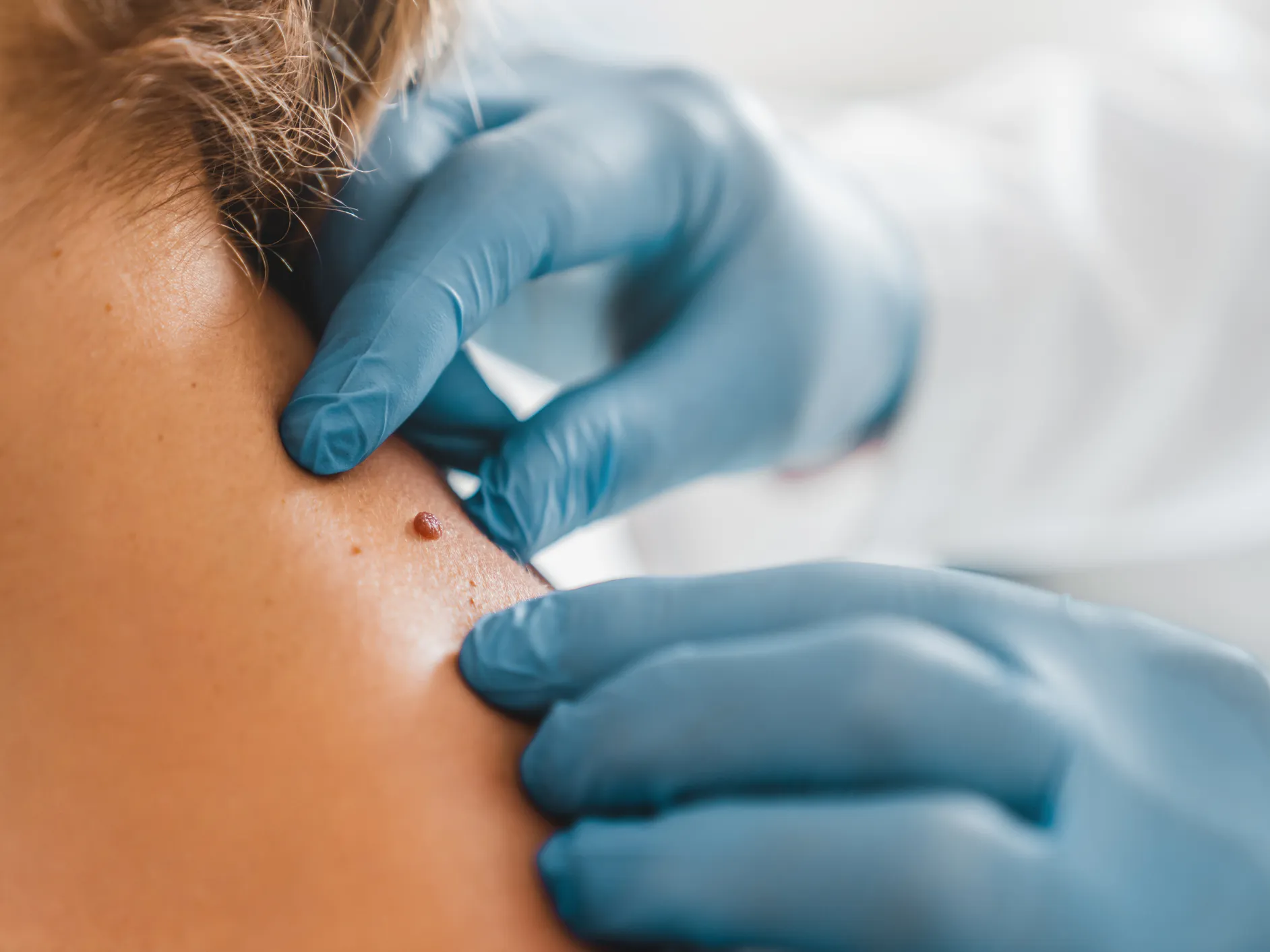
A skin tag is a small, soft growth that hangs off the surface of the skin. These growths are usually flesh-colored or slightly darker, and they often appear in areas where skin rubs against skin. Common locations include the neck, armpits, eyelids, and the folds of the groin. Skin tags are made up of loose collagen fibers and blood vessels surrounded by a thin layer of skin. They are typically harmless, and most people seek removal for comfort or cosmetic reasons. Here’s information on dermatology treatments for skin tag removal:
Cryotherapy Treatment
Cryotherapy uses extreme cold to remove a growth, and this method works well for smaller skin tags in accessible areas. For this dermatology treatment, a provider applies liquid nitrogen to the growth using a spray device or a cotton-tipped applicator. The freezing temperature damages the tissue, causing the skin tag to fall away over the following days.
A cryotherapy procedure is quick, and it requires no stitches or extended recovery time. Patients may notice mild redness or a small blister at the treatment site, which typically fades on its own. A dermatologist may treat several skin tags in a single visit, depending on their number and placement.
Excision or Ligation Treatments
Excision and ligation are two related approaches that a dermatologist may use for larger or more stubborn skin tags. During excision, the dermatologist numbs the area and then uses sterile surgical scissors or a scalpel to cut the skin tag away at its base. For ligation, the dermatologist ties off the base of the skin tag with a thin surgical thread, cutting off its blood supply. The tissue at the tip loses circulation and separates from the body over time. Excision offers faster removal, but ligation may be chosen for certain locations or when patients prefer it.
Cauterization Treatment
Another key treatment method for skin tags is cauterization, which removes a skin tag by burning the tissue with controlled heat or an electric current. A dermatologist uses a specialized tool that delivers precise energy to the base of the growth; this does two things:
- The heat separates the skin tag from the surrounding skin.
- The heat seals the small blood vessels at the same time to limit bleeding.
Cauterization is often used for skin tags that have a defined base, allowing the dermatologist to target the growth without affecting nearby healthy skin. A dermatologist evaluates these factors before selecting an approach. After treatment, a small scab may form at the site. This scab protects the area as it heals, and it usually falls off within a week or two. As with other methods, the treated area should be kept clean during the recovery period.
Schedule a Dermatology Consultation
If you have a skin tag that causes discomfort or that you would like removed, schedule a dermatology consultation today. A dermatologist can examine the growth, confirm that it is a skin tag, and discuss your treatment options. A professional evaluation also helps rule out other skin conditions that may resemble a skin tag. Contact a licensed dermatologist in your area to arrange an appointment and learn more about your options for skin tag removal.
