


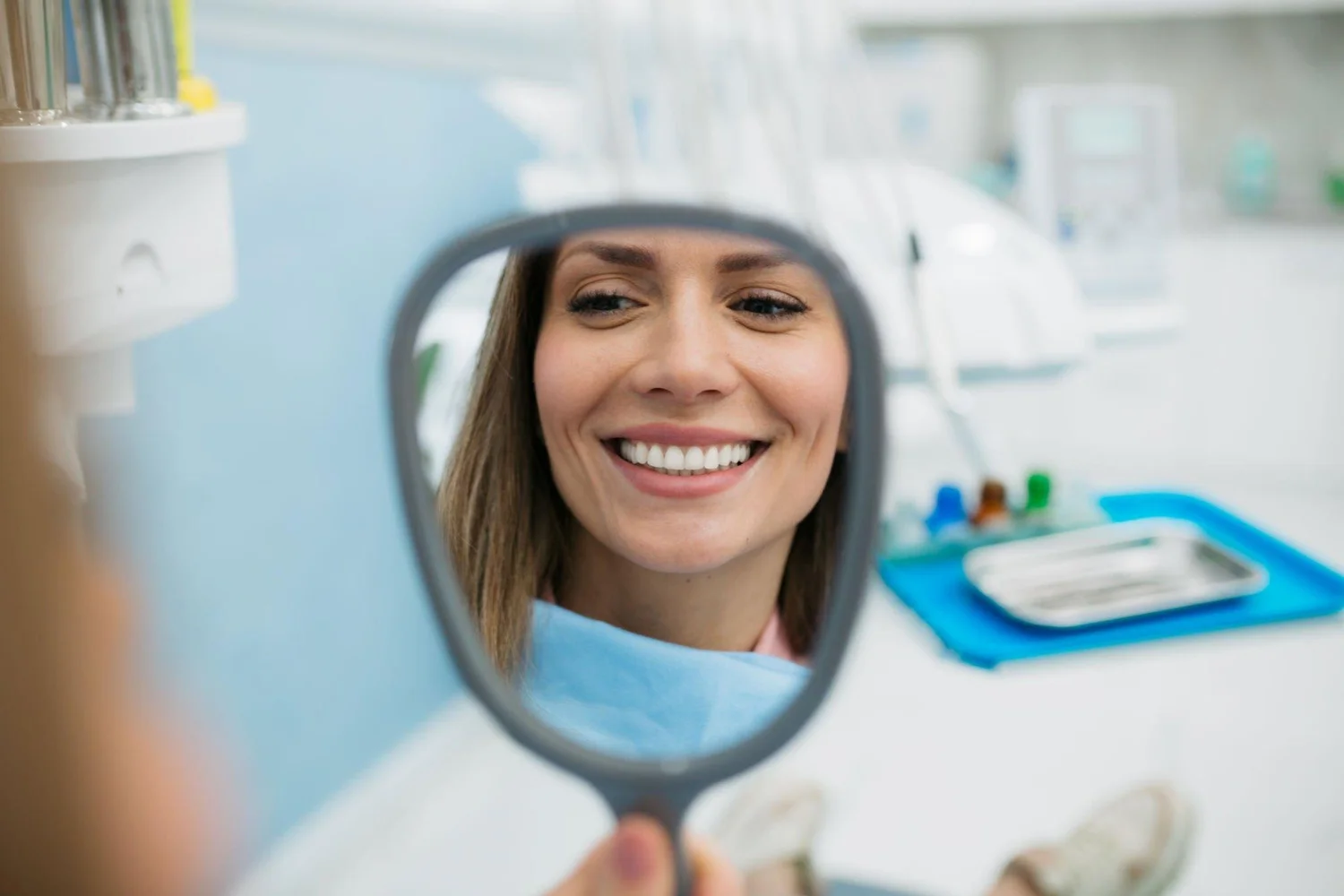
Teeth whitening is a cosmetic dental treatment that removes stains and discoloration to create a brighter smile. People may need one when their teeth become discolored due to aging, certain foods and drinks, tobacco use, or other lifestyle habits. Here is more information on how to maintain your results after teeth whitening treatments:
Avoid Stain-causing Foods
Certain foods and beverages leave pigments behind that cling to enamel, so your daily choices directly affect how long your teeth whitening results last. Dark drinks like coffee, black tea, and red wine can cause stains, and deeply colored foods such as berries, tomato sauce, and soy sauce also contribute to the problem. When you cut back on these items, you slow the return of discoloration and extend your treatment. You do not have to eliminate these foods entirely, though moderation helps. Drinking through a straw limits contact between staining liquids and your front teeth, and rinsing your mouth with water after meals washes away lingering pigments.
Care for Your Teeth Consistently
A consistent oral care routine prevents surface stains from building up and supports the brightness you gained from teeth whitening. The following habits form a helpful foundation:
- Brush twice daily: Brushing in the morning and before bed removes plaque and food particles that trap stains.
- Floss once a day: Flossing clears debris from between your teeth, where stains often start, and it reaches spots your brush cannot.
- Use a whitening toothpaste: It contains mild polishing agents that lift surface stains but avoid overuse.
- Replace your toothbrush regularly. A worn brush cleans poorly, so swap it every few months to keep your routine effective.
Prevent New Discoloration
Prevention plays a fundamental role after your teeth whitening treatment ends, and a few targeted changes can help prevent new stains from forming. Tobacco use, whether smoking or chewing, is among the fastest ways to yellow your teeth. Quitting protects both your smile and your overall health. When you reduce or avoid tobacco, you remove one of the strongest sources of discoloration.
Water does more than hydrate you; it also acts as a natural rinse throughout the day. Sipping water after meals helps clear acids and pigments before they settle on your enamel, and it supports a healthy mouth between brushings. Chewing sugar-free gum also boosts saliva flow, which helps clean your teeth naturally.
Schedule Regular Touch-Ups
Even with careful habits, your teeth will gradually pick up some color over time; touch-ups restore your teeth’s brightness. Several options let you refresh your smile, and the right choice depends on your needs. Here are some of them:
- At-home touch-up kits. Some dental offices provide custom trays and gel for periodic use at home to help you maintain results between professional visits.
- Whitening strips or pens. Over-the-counter products offer a convenient way to address minor discoloration, though results tend to be more subtle than those from professional options.
- Professional in-office sessions. A dentist performs a stronger treatment when your teeth need a boost.
- Scheduled maintenance visits. Booking a touch-up every few months helps keep your shade consistent; your dentist can advise on the right interval for you.
Talk with your dentist before you start any touch-up plan, and they can recommend the safest approach for your teeth.
Schedule Your Teeth Whitening Appointment
Maintaining a bright smile comes down to smart daily choices. These include a regular oral care routine and timely touch-ups. You also need to avoid staining foods, prevent new discoloration, and follow your dentist’s guidance. When you combine these steps, you extend the value of your treatment and keep your smile looking fresh. Contact a qualified dentist near you to schedule your teeth whitening appointment today.
