


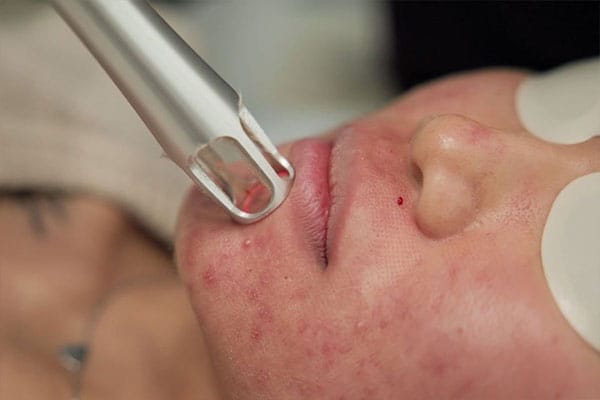
Acne leaves surface marks that linger long after breakouts end, and these marks influence how light reflects off the skin. Laser treatments use focused energy to resurface targeted areas, so the skin gradually looks smoother, and treatment plans adjust based on scar type and how the skin responds. Some options lightly polish the surface, while others reach deeper layers where structural change happens. This is how these treatments address acne scarring:
Stimulating Collagen
Collagen shapes the underlying framework of the skin, and acne scars disrupt that framework. When laser energy reaches deeper layers, the controlled heat prompts a repair response, and the body starts producing fresh collagen fibers. Existing fibers tighten as new ones form, gradually filling depressed areas. Results build over time, because collagen remodeling continues for weeks after each visit.
Not every scar responds in the same way, and treatment settings depend on depth and pattern. Some scars sit close to the surface, while others extend further and require more intensive passes. A provider evaluates scar shape, skin tone, and sensitivity, then follows with a tailored plan. Laser treatments interact with water in the skin, and that interaction creates the precise thermal effect that triggers remodeling.
Boosting Skin Integrity
Acne scarring appears with enlarged pores, uneven pigmentation, and rough patches, and these changes weaken overall skin integrity. By directing energy across broader zones, laser devices encourage more uniform cell turnover at the surface. Deeper layers respond with tighter collagen networks, so the skin gains more structural support.
- Refining texture so makeup applies more evenly, and daily cleansing feels smoother.
- Supporting barrier function through healthier cell organization and balanced shedding.
- Reducing contrast between scarred and unscarred areas, which leads to a more consistent tone.
- Softening the edges of boxcar and rolling scars, so they blend better with nearby skin.
- Addressing lingering redness around old breakouts by targeting small surface vessels.
Preventing Advanced Acne
Active acne and scarring often overlap, and ongoing breakouts risk creating new marks. When the surface is smoother and pores stay clearer, oil and debris have fewer places to collect. Some laser treatments influence oil activity in the follicles. A combined plan that includes topical care, lifestyle adjustments, and device sessions supports long-term control.
Early intervention with device-based therapy helps interrupt the cycle that leads from inflammation to scar tissue. When breakouts remain in a milder range, the healing process leaves less distortion behind. A provider may pair light-based sessions with prescription products, and that pairing addresses surface bacteria and deeper inflammation. Regular follow-up visits track changes and allow adjustments before new issues progress.
When texture changes first appear, targeted laser work addresses a smaller area, and the surrounding healthy skin supports faster recovery. Early sessions help guide collagen remodeling in a more favorable direction, so shallow marks do not deepen further. A structured routine that supports skin between visits.
Reducing Scars
Scars from acne include rolling, boxcar, and icepick types, and each responds differently to resurfacing. Laser treatments gradually smooth rolling scars by tightening the tissue beneath them. Deeper icepick scars typically need combined approaches, while resurfacing still improves the surrounding texture. Energy-based passes remove or remodel damaged tissue in thin layers, and new cells replace older, irregular ones.
Get Laser Treatments for Acne
Professional guidance helps match device settings to scar type, skin tone, and treatment goals, and that guidance shapes outcomes. Laser treatments work best as part of a broader strategy that manages both current breakouts and long-term texture. A consultation gives space to review your history, ask questions, and map out a realistic path toward smoother skin.
