


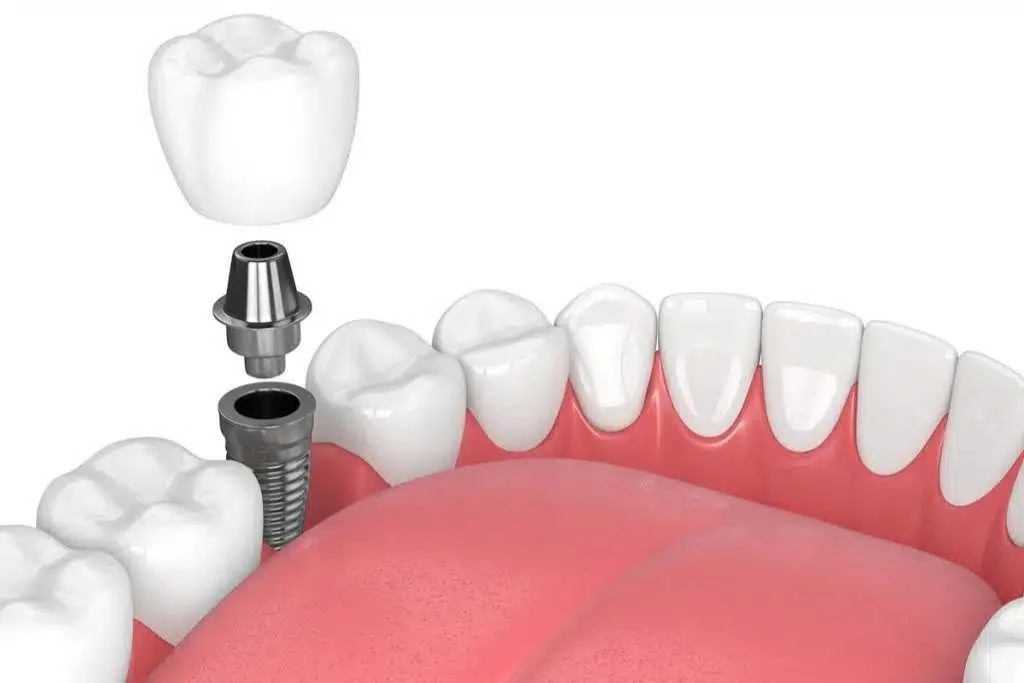
Dental implants are a long-term option for replacing missing teeth, but their lifespan depends on oral hygiene and regular dental care. With proper maintenance, implants can remain functional for many years while supporting chewing and jaw stability. Here is an overview of the lifespan of dental implants and how to maximize their durability:
How Long Do Implants Last?
The post and crown of dental implants have different lifespans. Some implant posts last a lifetime with proper care. Crowns face daily wear from chewing, so they typically need replacement after 10 to 15 years.
Several factors influence the lifespan of implants. These factors include oral hygiene habits, tobacco use, teeth grinding, and general health conditions such as uncontrolled diabetes. While no dentist can guarantee a specific lifespan, patients who follow a consistent care routine give their implants a strong chance of long-term function.
How Should Implants Be Cleaned?
Dental implants do not decay like natural teeth, but the gums and bone around them need regular cleaning. Plaque is a sticky film of bacteria that builds up around implants the same way it builds up around natural teeth. If plaque remains, it can lead to peri-implantitis, a condition that affects the gum and bone holding the implant.
Brush Twice a Day
Brush twice a day with a soft-bristled toothbrush. A soft brush cleans the crown and gumline without scratching the surface, and a low-abrasive toothpaste protects the crown’s finish. Pay close attention to the area where the crown meets the gum, as plaque tends to collect there. An electric toothbrush can help people who find manual brushing difficult.
Clean Between Teeth Every Day
A toothbrush does not reach the tight spaces between teeth and implants. Floss once a day, or use a water flosser if regular floss is hard to guide around the implant. Interdental brushes, small brushes that fit between teeth, can also remove trapped food and plaque. Ask your dentist which tool suits the spacing around your implant.
What Can Damage Implants?
Dental implants are strong, but they lack the natural cushioning that ligaments give to real teeth. Repeated pressure from grinding or biting hard objects can loosen or chip the crown over time. Changes to daily habits can reduce this stress. The following habits can protect your implant:
- Wear a night guard: A custom night guard places a barrier between the upper and lower teeth for people who grind or clench during sleep.
- Avoid chewing hard items: Ice, hard candy, pens, and fingernails put sharp force on the crown and increase the risk of chips or cracks.
- Use tools: Open packages and bottle caps with scissors or an opener instead of your teeth.
- Wear a sports mouthguard: A mouthguard shields implants and natural teeth from impact during contact sports.
- Limit tobacco use: Smoking can lead to implant problems, so quitting or cutting back supports long-term results.
How Often Is Care Needed?
Professional visits allow your dentist to check the dental implants, crown, and surrounding gums for early signs of trouble. Most dentists recommend a checkup and cleaning every six months, although some patients need more frequent visits. During these appointments, a hygienist uses implant-specific instruments to remove hardened plaque without scratching the surface.
Your dentist may also take X-rays to check the bone level around the implant. If the crown shows wear or the bite feels different, the dentist will adjust or replace it before a larger problem develops. Contact your dental office promptly if you notice loose parts, bleeding gums, or discomfort around the implant.
Learn More About Dental Implants
Dental implants are a long-term option for replacing missing teeth, and their lifespan depends heavily on consistent care. Routine professional cleanings, periodic X-rays, and timely adjustments support the longevity of your implants. They also help to prevent potential issues, such as wear or discomfort. To learn more about dental implants, contact a qualified dentist near you to schedule your appointment today.
