


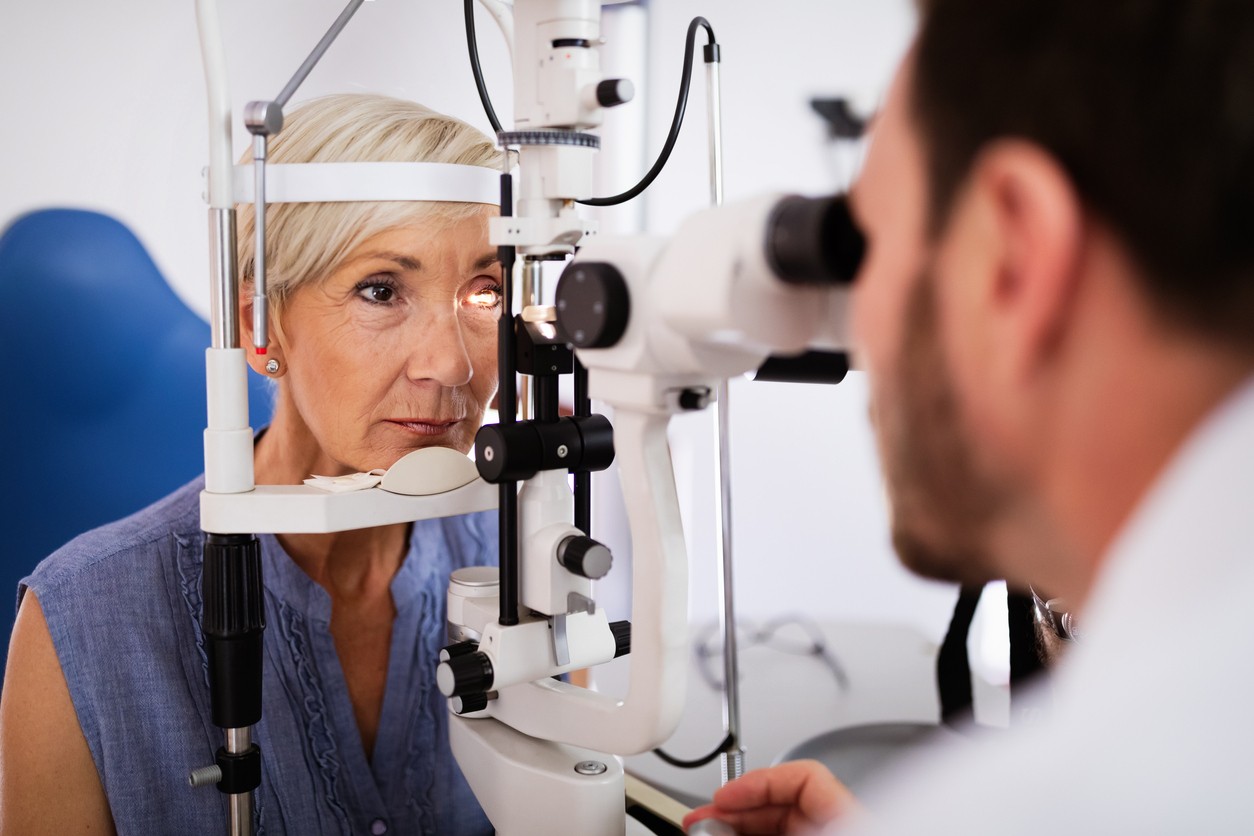
A cataract develops when your eye’s natural lens becomes cloudy due to aging, genetics, or certain eye conditions. During surgery, your ophthalmologist removes the cloudy lens and replaces it with a clear artificial lens. If you have your first cataract surgery appointment coming up, preparing in advance helps you understand the consultation process. Here is how to prepare for your first cataract surgery appointment:
Gather Your Medical History
Your initial consultation will allow your surgeon to discuss treatment options and examine your eye health and medical history. The consultation is informed by your previous eye care and health history. Accurate records also enable your surgeon to account for factors that influence treatment planning.
Certain medications, vitamins, and herbal supplements may affect your care before eye surgery. Previous eye surgery records are helpful because they provide details about earlier procedures and their results. Many chronic health conditions, including diabetes, influence eye health and are evaluated during your eye examination.
Record any changes in your vision during the days before your appointment because this information helps the surgeon understand how cataracts are affecting your daily activities. During your consultation, symptoms such as blurry vision, glare while driving, or difficulty seeing in low light provide key details about your condition. You should also bring your insurance card and photo ID when you check in for your appointment.
Understand Lens Options
Replacing the cloudy natural lens allows you to discuss different vision correction options with your surgeon. Standard and premium intraocular lenses provide different visual outcomes based on your daily activities and lifestyle. Eye measurements collected during the consultation also help determine which option best matches your visual needs.
Once your examination is complete, your surgeon explains the available options based on your test results. The following topics help guide your discussion about intraocular lens (IOL) options:
- Standard lenses: Monofocal lenses are designed to provide clear vision at one primary distance, most commonly distance vision, after cataract surgery. Glasses may still be needed for near or intermediate tasks.
- Premium lenses: Advanced-technology lenses, such as multifocal, extended depth-of-focus, or other specialty lenses, help reduce dependence on glasses for certain activities and viewing distances.
- Vision goals: Your daily activities, lifestyle needs, and expectations for vision after surgery help determine which intraocular lens option is the most suitable.
- Astigmatism correction: Toric intraocular lenses are specialized lenses that correct certain amounts of corneal astigmatism and may improve distance vision quality after surgery.
Prepare Your Questions
The questions you ask during your first cataract surgery appointment help guide the information you receive from your surgeon. Your consultation provides an opportunity to review your eye health and learn about the steps involved in treatment. Ask questions such as, “Which type of cataract surgery is right for my eye?” “What should I expect during recovery?” and “What risks or vision changes should I know about after the procedure?” Discussing these topics with your surgeon helps you understand the surgery process and recovery timeline.
Arrange for Transportation
Your pupils often remain dilated for several hours after a cataract consultation, so driving after the appointment is not recommended. Arranging transportation before your visit helps you leave the clinic safely. Additional testing or discussions after your examination can extend the appointment time, and having someone accompany you provides assistance if your vision remains blurry after dilation.
Keeping extra time available in your schedule allows flexibility if additional imaging or eye measurements are needed. Temporary light sensitivity is easier to manage when someone else handles transportation. Preparing these details before your visit helps your appointment proceed safely and efficiently.
Learn More About Cataract Surgery
Preparing before your appointment helps your doctor gather the information needed to recommend appropriate treatment options. Understanding the consultation process also makes discussions about lens options and recovery more productive. Once your visit is complete, you will have a clearer understanding of the next steps before surgery. Schedule an appointment with an ophthalmologist today to learn more about cataract surgery.
