


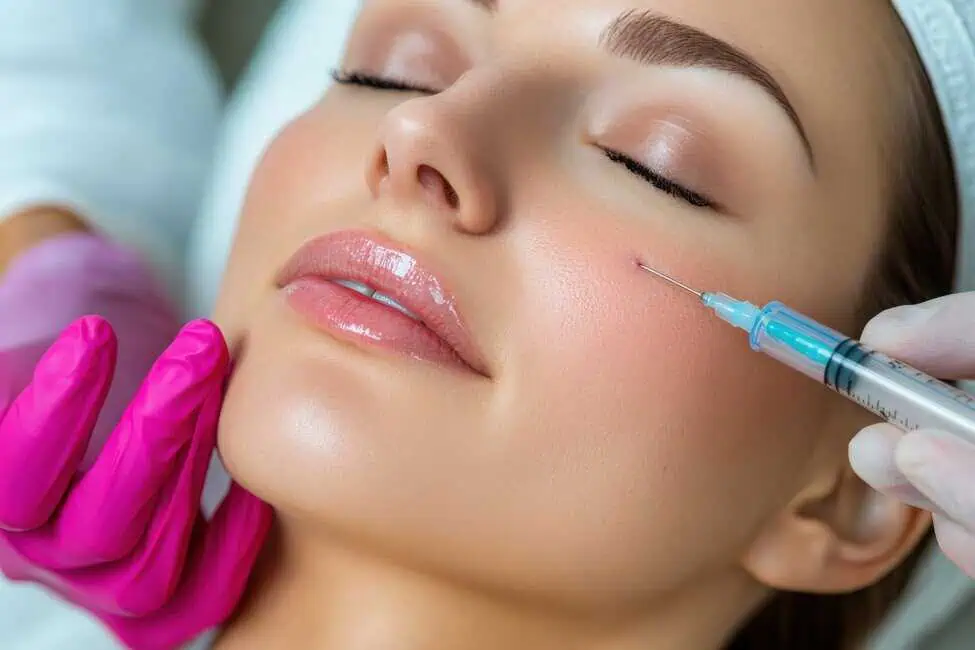
Botox is a cosmetic injectable that addresses facial lines associated with repeated muscle movement. It blocks targeted nerve signals, and the treated muscles temporarily reduce their activity. A customized approach addresses facial anatomy and the areas selected for treatment. Here is more information about the role of Botox in anti-aging:
Understanding Botox Treatment
Botox contains a purified neurotoxin that temporarily reduces activity in targeted facial muscles. These muscles contribute to expression lines formed through repeated movements such as smiling, squinting, or frowning. Treatment focuses on selected facial areas based on individual concerns and aesthetic goals.
Other FDA-approved neuromodulators include Dysport, Jeuveau, and Xeomin. Each formula differs, and a provider selects an option after reviewing facial anatomy and treatment goals. A consultation allows the provider to discuss available neuromodulators and develop an individualized treatment plan.
Targeting Facial Concerns
Repeated facial movements contribute to expression lines in several areas of the face. Botox treatment targets forehead lines, vertical frown lines between the eyebrows, and crow’s feet around the eyes. A provider evaluates facial movement and individual concerns before selecting treatment areas.
Botox also addresses concerns such as gummy smiles, bunny lines, and bumpy chin texture. Providers also use neuromodulator injections in the masseter muscles based on individual treatment goals. Facial anatomy guides injection placement. Because each person has different features, providers develop treatment plans around the areas identified during consultation.
Neuromodulators also treat vertical neck cords and other selected areas based on individual needs. A provider reviews facial and neck anatomy, and treatment goals help guide injection placement. Each treatment plan reflects the patient’s specific concerns. After completing an evaluation, the provider selects injection sites and discusses the planned approach.
Receiving Botox Injections
A Botox appointment begins with an evaluation of facial anatomy and individual treatment goals. The provider uses this information to identify specific injection areas. Before treatment, the provider cleans and prepares the skin according to the planned procedure.
The provider administers Botox through injections in the selected treatment areas. Patients may experience a brief sensation at each injection site, and individual experiences vary. After treatment, the provider explains aftercare instructions and discusses what to expect during the following days.
Reviewing Botox Results
Botox results develop gradually following treatment, and individual response times vary. Treatment effects are temporary, with duration depending on factors such as metabolism, treatment area, and the selected formula. A provider can discuss expected timelines and explain when changes are able to become noticeable. Follow-up appointments also provide an opportunity to review results and discuss future treatment options.
Maintaining Results
Botox produces temporary effects, so some patients choose additional treatments as part of their cosmetic care plan. Treatment frequency varies based on individual response, metabolism, treatment area, and aesthetic goals. A provider reviews these factors before recommending the timing of another appointment.
Ongoing Botox treatment also involves evaluating facial anatomy and changes since the previous appointment. Providers review treatment response, and they discuss current concerns before selecting injection areas. Each appointment allows the provider to adjust the treatment plan based on the patient’s current needs.
Schedule Your Botox Consultation
Botox addresses expression-related lines through targeted neuromodulator injections in selected facial areas. A provider evaluates facial anatomy, treatment goals, and individual concerns before developing a treatment plan. During a consultation, patients receive information about the procedure, expected timeline, and follow-up care. Schedule a consultation with a qualified aesthetic provider to discuss Botox treatment options today.
